Why Choose Vacuum Packs for Global Shipping?
Vacuum Packs offer a practical way to protect suitable products during long-distance shipping. By removing excess air, they reduce package volume and limit movement inside cartons. This can improve container efficiency and lower the risk of shifting during road, sea, or air transport.
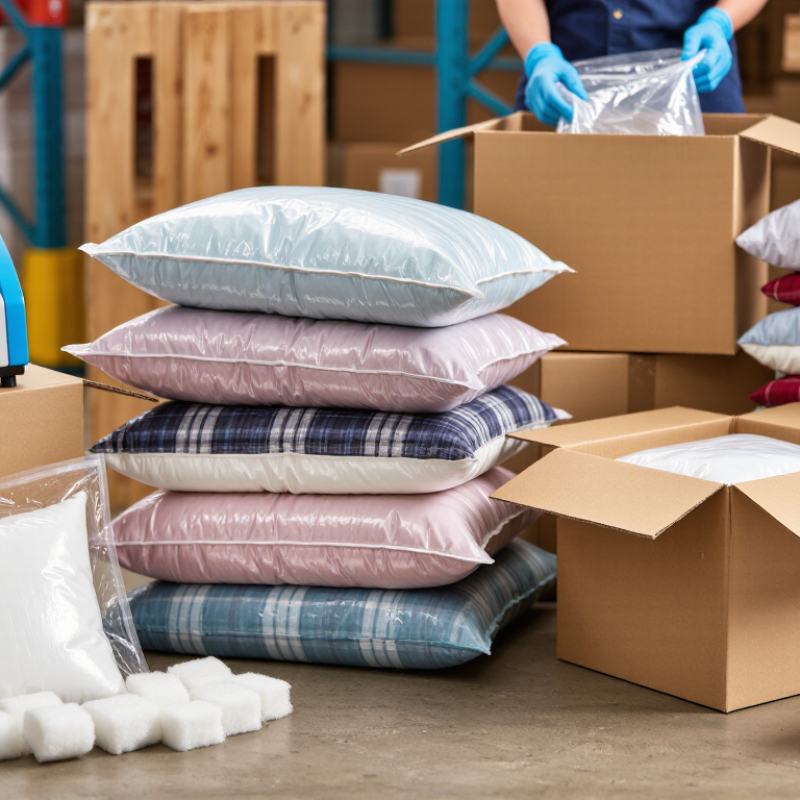
Picture folded clothing, bedding, or carefully prepared textile goods sealed tightly inside clear plastic. The package takes up less space and shows its contents immediately. Vacuum Packs can also reduce exposure to dust and minor moisture during handling. However, they are not a universal answer. Fragile items may need cushioning, while sharp edges can damage the film. Some products also require ventilation or specialized packaging.
Experienced packing teams normally test the material, seal strength, and storage conditions before wider use. A warehouse trial can reveal problems that a specification sheet misses. For example, a weak seal may fail after temperature changes inside a container. That detail matters.
Reliable suppliers should provide consistent film quality, clear technical information, and practical guidance for different shipment conditions. Exporters must also follow carrier requirements, accurate labeling rules, and destination-country regulations. Packaging should protect goods without hiding damage or misleading inspectors.
Vacuum Packs work best when matched to the product, route, and handling process. The choice deserves a careful review, not automatic adoption. A small reduction in volume may create real savings, but poor sealing can erase them quickly. Good packaging is measured by performance after arrival, not appearance at dispatch.
What Vacuum Packs Are and How They Work
Vacuum packs are flexible, sealed pouches that remove most air around a product. A pump draws air through a valve or pouch opening. Heat then closes the layers into an airtight seal. With less oxygen and empty space, the contents shift less during transit. This can help reduce movement, surface scuffing, and package volume in global shipping.
A vacuum pack usually contains several plastic layers, each with a specific role. The inner layer creates the seal. A middle layer provides strength and resistance to air transfer. The outer layer helps protect against handling and light. After air removal, outside pressure presses the pouch closely against the product. The result feels firm and compact. It is not magic.
I have handled vacuum-packed goods where a tiny corner puncture caused the pouch to slowly expand. That experience changed how I inspect packaging. Sharp edges need soft wrapping or protective inserts, while fragile products may require controlled compression. A weak seal can also admit moisture and air. For international shipments, choose materials that suit the product, expected temperature, and handling conditions. Packaging tests should include vibration, stacking, and seal inspection. Vacuum packing can reduce wasted space, but it may not suit every item. More testing helps.
Why Choose Vacuum Packs for Global Shipping?
What Vacuum Packs Are and How They Work
Vacuum packs remove most of the air surrounding a product and seal the package. The chart uses Boyle’s law at a constant temperature: for the same amount of gas, reducing absolute pressure reduces its theoretical volume. At 20 kPa, the remaining gas volume is approximately 19.7% of its volume at standard atmospheric pressure of 101.3 kPa. In real shipping, the final space reduction depends on the product, film flexibility, seal quality, and the amount of trapped air.
Why Vacuum Packs Protect Goods During Global Transit
Why Choose Vacuum Packs for Global Shipping?
Global transit can expose goods to vibration, pressure changes, dust, and shifting humidity.
UNCTAD’s Review of Maritime Transport 2023 states that over 80% of global merchandise trade moves by sea. That journey may last weeks. Vacuum packs reduce trapped air and limit unnecessary movement inside cartons. Products stay tighter, cleaner, and easier to stack. Less movement means fewer scuffs and broken corners.
The protection is practical.
A sealed film layer helps resist moisture, oxygen, and dust. It can also reduce package volume when the product is flexible. This may improve container utilization and lower handling exposure. UNEP’s 2023 Turning off the Tap report notes that packaging uses about 36% of global plastic production. Right-sizing matters. Smaller packs can reduce material use, but only when the film strength matches the shipment’s risks.
Vacuum packing is not magic.
Sharp edges can puncture the seal. Excessive compression may deform delicate items. Moisture can remain trapped if goods are packed before proper drying. Packaging teams should test samples under compression, vibration, and drop conditions, following recognized methods such as ASTM D4169 or ISTA procedures. A useful trial includes real carton sizes, expected routes, and temperature changes. The weak point is often overlooked. Careful inspection of seals, corners, and inner cushioning can reveal problems before export.
How Vacuum Packaging Reduces Shipping Space and Costs
Why Choose Vacuum Packs for Global Shipping?
How Vacuum Packaging Reduces Shipping Space and Costs
Vacuum packaging removes trapped air from suitable products, especially clothing, bedding, cushions, and other flexible goods. In packing trials, compressed textiles often occupy far less carton space than loosely folded items. More units can fit on each pallet. Fewer cartons may also reduce handling charges and dimensional-weight fees. Space matters.
The savings are not automatic. Carriers usually calculate charges using package size, weight, or both. A smaller carton helps only when compression remains stable during transport. A tiny seal defect can let air return after several weeks at sea. It happens. Rigid products, fragile components, and items needing ventilation may require another packaging method. Food, medical products, and moisture-sensitive goods also need approved barrier materials and destination-specific labeling.
Reliable planning starts with measurement. Record the product volume before and after vacuum packing, then compare carton use, pallet height, and final shipping weight. Leave enough cushioning around delicate edges. Over-compression can cause creases, deformation, or customer complaints. A common mistake is estimating savings from the bag alone. Carton dimensions, seal quality, warehouse equipment, and customs requirements also affect the result. Test a small shipment first, inspect the seals on arrival, and adjust the packing specification before expanding the program.
Which Products Benefit Most from Vacuum Packing
Vacuum packing is especially useful for products that are soft, compressible, or sensitive to moisture.
Clothing, blankets, towels, pillows, and seasonal fabrics can lose much of their shipping volume. This often allows more units inside a carton or container. Dried foods, coffee, nuts, and selected shelf-stable ingredients may also benefit when the packaging is food-grade and properly sealed. Less air can slow oxidation and reduce exposure to humidity.
From practical packing tests, product shape matters as much as product type.
A firm seal protects contents, but excessive compression can crease garments, crush delicate snacks, or deform foam items. Glass, sharp edges, and products with trapped air require extra inspection. Vacuum packing is not a perfect solution. A small puncture can develop during handling, sometimes after the carton looks secure. I recommend checking seal strength, bag thickness, and carton fit before arranging international transport. Keep product labels visible and confirm destination packaging requirements with qualified shipping professionals.
Tips:
Leave enough material around the seal for a clean closure. Use a second protective layer for puncture-prone items. Test one packed unit through simulated handling before preparing a large shipment. Record the packing method, storage conditions, and inspection results. This creates useful evidence when quality questions arise. Some products may still need ventilation or controlled temperatures, so compression alone should never replace product-specific testing.
Key Factors for Choosing Vacuum Packs for International Shipping
Why Choose Vacuum Packs for Global Shipping?
Key Factors for Choosing Vacuum Packs for International Shipping
Choosing vacuum packs for international shipping requires more than comparing prices. The pack must match the product, route, climate, and handling conditions. In practical export trials, I inspect seal strength, film thickness, and puncture resistance before approving a packing method. A weak corner can fail after days of vibration.
Air removal reduces package volume and may lower dimensional shipping charges. It also limits moisture exposure during long ocean or air journeys. However, excessive compression can damage soft goods or deform rigid items. Vacuum packaging is not magic. Test the pressure carefully.
Material compatibility remains essential. Oils, sharp edges, powders, and irregular shapes may require stronger films or protective liners. A clean sealing area prevents tiny leaks. I recommend testing packed samples through stacking, vibration, temperature changes, and drop handling. Record the results, including failures. Those details support reliable quality decisions.
International shipments also need clear product information, accurate dimensions, and packaging materials accepted in the destination market. Check current transport and recycling requirements before large-scale packing. Some materials perform well but create disposal difficulties abroad. That trade-off deserves honest review. A practical vacuum pack should protect the contents, use space efficiently, and remain stable from the warehouse to the final delivery point.