Best Chamber Vacuum Bags for Food Storage and Preservation?
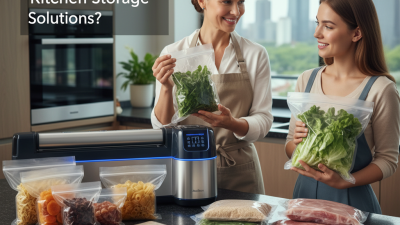
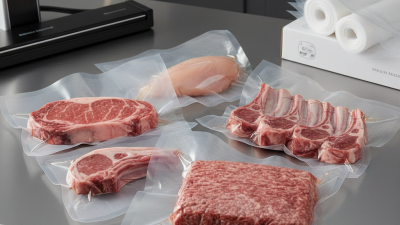
When it comes to food storage and preservation, Chamber Vacuum Bags are an essential tool. These bags are designed to remove air from around food, which helps to extend shelf life and maintain freshness. Unlike traditional storage methods, they provide a vacuum-sealed environment that significantly reduces waste.
Many users report success with these bags in various food preservation tasks. Their effectiveness is backed by both consumer feedback and expert reviews. However, not all Chamber Vacuum Bags are created equal. Some may lack durability or may not seal correctly, leading to unwanted spoilage. It is essential to choose the right type that suits your needs.
Investing in high-quality Chamber Vacuum Bags is vital for effective food storage. The right choice can enhance flavor and texture while reducing the risk of freezer burn. But be sure to read reviews and consider recommendations. In the end, your choice can greatly impact your food preservation experience.
Types of Chamber Vacuum Bags for Food Storage
When choosing chamber vacuum bags for food storage, it’s essential to understand the different types available. These bags vary in thickness, durability, and material. The most common types are embossed, smooth, and roll bags. Each type serves a unique purpose in food preservation.
Embossed bags are popular for their textured surface. This design allows air to escape more efficiently during the vacuuming process. Smooth bags, on the other hand, are versatile and provide a more polished appearance. Roll bags allow users to cut them to the desired length. This flexibility makes them an excellent choice for various food items.
Tips: Always check the compatibility of bags with your vacuum machine. Thicker bags may offer better protection against punctures but can be harder to seal. Remember, not all foods are suitable for vacuum sealing. Items like soft fruits and delicate vegetables can get damaged during the process. Reflect on your needs before selecting a bag type.
Additionally, reconsider how often you plan to use these bags. A bulk purchase might seem cost-effective, but it requires adequate storage space. Ensure the environment is suitable for preserving the integrity of your bags. Keep an eye on expiration dates, as this can affect their reliability over time.
Best Chamber Vacuum Bags for Food Storage and Preservation
| Bag Type |
Thickness (microns) |
Size Options |
Temperature Tolerance |
Uses |
| Standard Vacuum Bags |
90-120 |
8"x12", 11"x16" |
-40°F to 240°F |
Meat, Vegetables |
| Heavy-Duty Vacuum Bags |
120-150 |
11"x18", 12"x20" |
-40°F to 250°F |
Long-Term Storage |
| Microwave-Safe Vacuum Bags |
80-100 |
7"x10", 9"x13" |
-40°F to 210°F |
Cooking and Reheating |
| Dishwasher-Safe Vacuum Bags |
90-130 |
10"x15", 12"x16" |
-40°F to 230°F |
Reusable for Various Foods |
Benefits of Using Chamber Vacuum Bags Over Other Storage Methods
Chamber vacuum bags are an effective solution for food storage and preservation. They provide a high level of vacuum sealing, which is superior to regular zip-top bags. A study from the Packaging Technology and Science journal shows that vacuum sealing can extend the shelf life of food by up to 5 times. This method protects against freezer burn and oxidation, keeping food fresh longer.
Using chamber vacuum bags also helps maintain flavor and nutrients. A study conducted by the University of California found that vacuum-sealed produce retains more vitamins compared to traditionally stored items. In addition, these bags are designed for high-pressure environments, making them durable and reliable during the storage process. However, the initial investment in a chamber vacuum sealer may raise concerns for some. The long-term benefits often justify the cost, especially for serious cooks or those meal-prepping.
Challenges do exist. Not every food item is suitable for vacuum sealing, and improper use can lead to spoilage. Some users report difficulties with seal failures. Thus, learning the best practices in sealing techniques is essential. Experimentation may be necessary to fully understand how to utilize chamber vacuum bags effectively. Adopting this method can lead to significant food savings and reduce waste, provided one is willing to invest the time to learn.
Factors to Consider When Choosing Chamber Vacuum Bags
When selecting chamber vacuum bags for food storage, several factors deserve careful consideration. The material of the bags is crucial. High-quality bags made from sturdy, puncture-resistant materials can enhance the shelf life of preserved foods. According to a recent industry report, vacuum-sealed foods can last longer than non-sealed items by up to five times. This statistic emphasizes the importance of proper packaging.
Seal strength is another important factor. A robust seal prevents air from entering and moisture from getting out. Many vacuum bags offer various thicknesses. Thicker bags often provide a better seal but may limit flexibility. This trade-off can impact usability and storage space. Opting for bags designed specifically for chamber vacuum pumps can improve balancing between durability and performance.
Tip: Before buying, check the bag's compatibility with your vacuum system.
Lastly, consider the size of the bags. Different foods require varying amounts of space. Using the wrong size can lead to wasted bags and ineffective seals. Monitor your storage needs and adjust as necessary. A professional often notes that a well-organized kitchen relies on properly sized vacuum bags.
Tip: Invest in multi-pack options for diverse foods.
Top Brands and Models of Chamber Vacuum Bags for Food Preservation
When it comes to food preservation, choosing the right
chamber vacuum bags is vital. These bags are designed to create a strong vacuum seal, which extends the shelf life of perishable items. According to industry reports, vacuum-sealed foods can last 1 to 3 years longer than those stored in conventional containers.
Several top brands dominate the chamber vacuum bag market. They provide bags that are puncture-resistant and available in various sizes. Some bags come with multilayer materials that enhance durability. This is crucial because weak bags can lead to leaks and spoilage. However, not all bags perform equally. Some consumers report issues with sealing and storage times.
It’s essential to read reviews and analyze customer feedback before making a choice.
Experts recommend looking for bags with a 3- to 5-mil thickness for best performance. Thicker bags tend to withstand freezer conditions better. They're worth the investment for serious food preservers. Nevertheless, price does vary significantly. Balancing cost with quality can often lead to confusion. In the end, trial and error might be necessary to find the perfect match for your specific needs.
Maintenance and Proper Use of Chamber Vacuum Bags for Longevity
Chamber vacuum bags are essential for food storage and preservation. Proper maintenance can enhance their longevity significantly. Storing your vacuum bags in a cool, dry place is vital. Avoid exposing them to direct sunlight. This helps maintain their integrity and prevents damage.
For optimal use, ensure the sealing area is clean and dry before each operation. Any moisture or residue can compromise the vacuum seal. Over time, repetitive use can wear down the bags. Regularly inspect for signs of wear, like tears or punctures. Even a tiny flaw can allow air in, reducing shelf life.
Tips for longevity include using the right size bag for your items. A bag that’s too small can rupture during sealing. Conversely, an oversized bag may lead to air pockets. Additionally, remember not to overcrowd the packaging. Air removal is less efficient when items are cramped. Investing time in these practices pays off in the long run, ensuring your food remains fresh and flavorful.