Top Vacuum Bags Food Tips for Freshness and Storage?
When it comes to food storage, Vacuum Bags Food play a crucial role. These bags help preserve freshness and prevent spoilage. Their design ensures that air is removed, which slows down the oxidation process. This is essential for maintaining the quality of various foods.
Using these bags is not only practical but also economical. They can extend the life of produce, meats, and even leftovers. However, one must be cautious. Not all vacuum bags are created equal. Choosing the right type is vital for optimal results.
Many overlook the importance of sealing techniques. Proper sealing makes a significant difference in preserving food. A poor seal may lead to freezer burn or quick spoilage. So, while Vacuum Bags Food seem simple, mastering their use is key for effective food storage and freshness.
Understanding Vacuum Bags: Types and Their Benefits
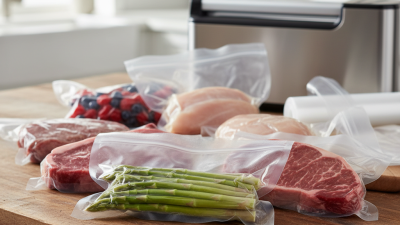
Vacuum bags are essential for preserving food freshness. They come in various types, each offering unique benefits. The most common types include flat bags, roll bags, and vacuum canisters. Flat bags are great for storing pre-portioned items. Roll bags allow for customizable sizes, minimizing waste. Vacuum canisters are excellent for liquids and delicate items.
When using vacuum bags, remember these tips. Ensure food is dry to prevent spoilage. Consider portion sizes to avoid wasted food. Label each bag clearly with contents and date. This practice enhances visibility and helps track freshness.
Not all bags are created equal. Some may not seal properly, leading to air leakage. Research to find reliable options that suit your needs. Test your method with small quantities before committing to larger batch storage. Adjust your technique as necessary. Each experience teaches something new.
Top Vacuum Bags Food Tips for Freshness and Storage
Preparing Food for Vacuum Sealing: Best Practices
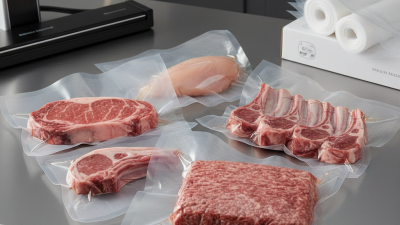
Vacuum sealing food can enhance freshness and minimize waste. Proper preparation is crucial for optimal results. Start by selecting fresh ingredients. Avoid using wilted or spoiled items, as they can compromise storage quality. Research indicates that food sealed at peak freshness retains nutrients better. Vacuum sealing can extend the shelf life of meats by 1-3 years under proper conditions.
Another important aspect is portioning food. Divide items into meal-sized portions. This practice reduces waste because you seal only what you need. Make sure to include air-free sealing techniques. Leaving some space at the top of the bag can lead to freezer burn. A research study highlighted that over 30% of vacuum-sealed food suffers from freezer burn if not sealed correctly.
Cleanliness is key in this process. Wash hands and surfaces thoroughly before handling food. Use a clean, dry container for your vacuum bags. Moisture can lead to spoilage, reducing vacuum efficiency. Professional advice suggests checking seals after vacuuming. A faulty seal can expose food to air, negating the benefits of vacuum sealing. Regularly review your techniques to improve and adapt for better freshness.
Vacuum Sealing Techniques: Step-by-Step Guide
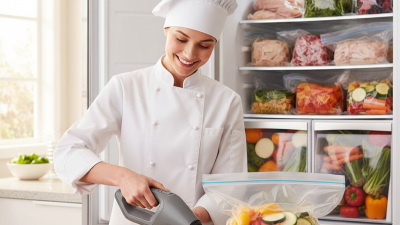
Vacuum sealing is an excellent method for preserving food. It helps maintain freshness and extend shelf life. To start, you need a reliable vacuum sealing machine. Make sure the machine creates a strong seal. It should prevent air from entering the bag, which is crucial for preventing spoilage.
Prepare your food before sealing. Wash and dry fruits and vegetables. Cut them into portions that fit your bags. Meats should be trimmed of excess fat. Fat can lead to faster spoilage. For liquids, use a special technique. Freeze them in small containers first. Then, vacuum seal them once solid.
Always check your bags for leaks. Any small hole can ruin your efforts. Store your vacuum-sealed bags in a cool, dark place. Avoid areas with high humidity. Not everyone gets it right on the first try. It’s okay to experiment with different foods and methods. Learning from the process is what counts.
Top Vacuum Bags Food Tips for Freshness and Storage
| Food Type |
Optimal Vacuum Time |
Suggested Storage Duration |
Tips for Freshness |
| Meat |
1-2 minutes |
1-2 years |
Pre-freeze for better suction |
| Vegetables |
30-60 seconds |
1-2 years |
Blanch before vacuum sealing |
| Fruits |
20-40 seconds |
6-12 months |
Use a gentle setting to avoid crushing |
| Dry Goods |
1-3 minutes |
1-2 years |
Ensure bags are moisture-free |
| Cheese |
30-60 seconds |
6 months |
Wrap in parchment before vacuum sealing |
Storage Tips for Vacuum-Sealed Food: Maximizing Freshness
When it comes to vacuum-sealed food storage, understanding the right techniques is essential for maximizing freshness. Properly sealing food can extend shelf life significantly, but it requires attention to detail. One key aspect is to ensure that food is dry before sealing. Excess moisture can lead to spoilage and bacterial growth. Also, avoid overpacking the bags. This can prevent proper sealing, leaving your food vulnerable.
Labeling is another important tip. While it may seem trivial, knowing what and when you sealed can prevent food waste. Using a permanent marker to note the date and contents can be invaluable. Additionally, consider using different bag sizes for various foods. Large bags for bulk items, smaller ones for snacks, can help maintain organization.
It’s also worth reflecting on your storage conditions. Vacuum-sealed bags should be kept in cool, dark places. Sunlight and heat can damage the bags and compromise food quality. Regularly check your stored items, as even vacuum-sealed foods can spoil over time. A well-organized storage system can make it easier to keep track of your vacuum-sealed food, ensuring nothing is forgotten.
Common Mistakes to Avoid When Using Vacuum Bags
Vacuum sealing can greatly enhance food freshness, but many make common mistakes. A study published by the
Journal of Food Science indicates that improper sealing can lead to freezer burn. This occurs when air remains inside the bag. Always ensure that your vacuum bags are
correctly sealed. Leaving small amounts of air can compromise the food’s quality.
Another mistake is not considering the food's moisture content. Foods with high moisture, like fruits, can release water during the vacuum process. This can result in poor sealing. A report from the
USDA suggests drying excess moisture with a paper towel before sealing. This small step can significantly improve storage longevity.
Storage time is also critical. Many believe vacuum-sealed food lasts indefinitely. However, even vacuum-sealed items have a limited shelf life. According to a review by the
Institute of Food Technologists, vacuum-sealed meats should be consumed within
one to three years for best quality. Proper labeling and dating of sealed bags help track freshness. While vacuum bags are effective, they are not a magic fix; reflecting on these points can lead to better food storage practices.