Why Choose Vacuum Seal Bags for Food Storage and Preservation?
In today's fast-paced world, preserving food freshness is crucial. Vacuum seal bags are gaining popularity for their effectiveness. Expert Linda Harper, a food storage specialist, states, "Vacuum sealing can extend the shelf life of your food significantly." This innovative method reduces oxygen exposure, which slows spoilage.
Many households are turning to vacuum seal bags for food preservation. They not only keep groceries fresh longer but also help in saving money. By maximizing storage space, they allow for more efficient food organization. However, some may struggle with the initial costs or the learning curve involved in using vacuum sealers.
While vacuum seal bags offer numerous benefits, it's important to consider personal habits. Rushing through the sealing process can lead to improper sealing. This might affect food quality. A thoughtful approach can enhance the effectiveness of vacuum sealing. Ultimately, these bags are a practical solution for anyone looking to improve food storage and reduce waste.
Benefits of Vacuum Seal Bags for Food Storage
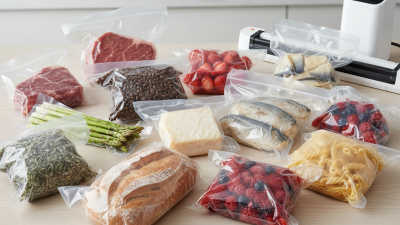
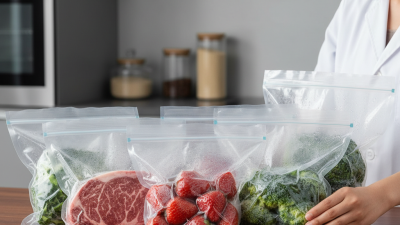
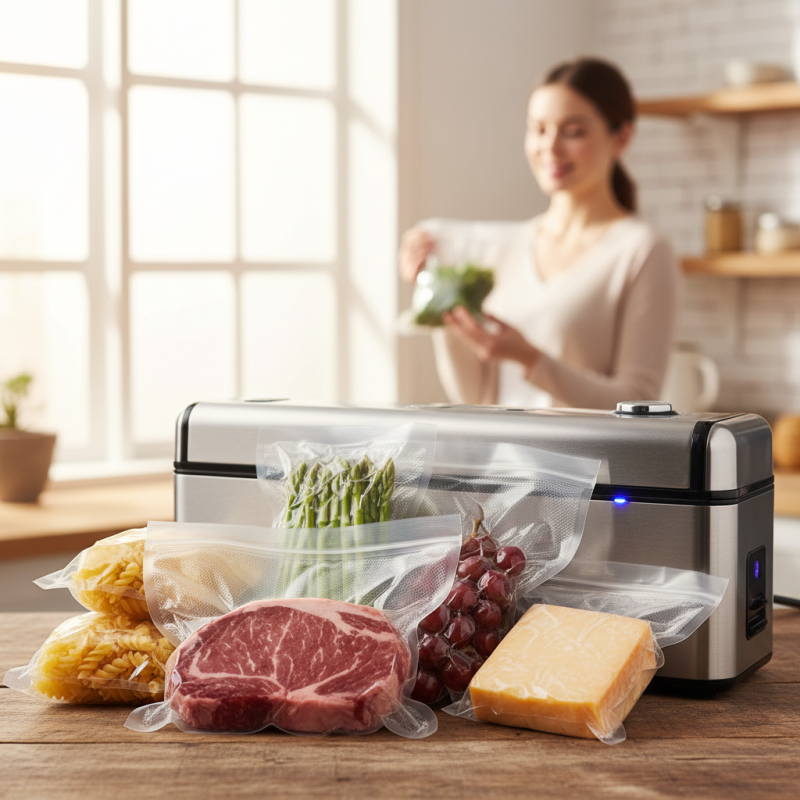
Vacuum seal bags are increasingly favored for food storage due to their remarkable preservation capabilities. Studies show that vacuum sealing can increase the shelf life of food by 3 to 5 times compared to standard storage methods. This is particularly important in reducing food waste, which is estimated to account for 30-40% of the global food supply. Fresh produce, meats, and leftovers maintain quality longer when sealed in airtight bags, preventing spoilage.
One of the key benefits of vacuum seal bags is their ability to inhibit the growth of harmful bacteria. Research indicates that vacuum sealing slows down oxidation, a major factor for food decay. Particularly, vacuum-sealed meats can resist freezer burn, keeping them edible for longer periods. This means you can buy in bulk and store efficiently, which is both cost-effective and sustainable.
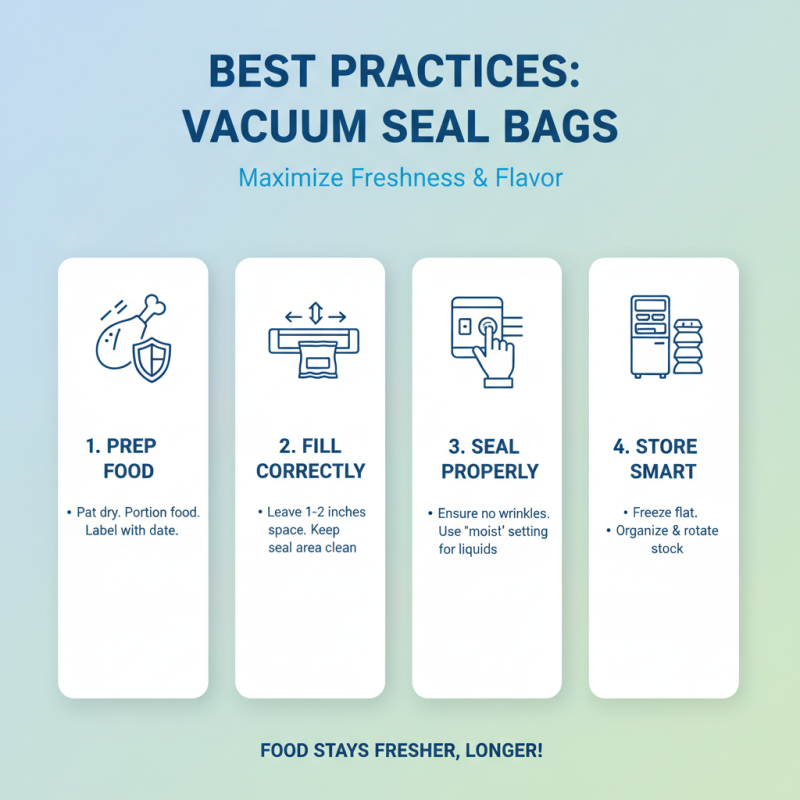
Tips: Always label your vacuum-sealed bags with dates. This practice helps track freshness and prevents confusion. For best results, ensure the bags are completely dry before sealing. Even slight moisture can compromise vacuum efficiency. Finally, consider using a vacuum sealer with adjustable settings for different food types. Each type requires a different vacuum level for optimal preservation.
How Vacuum Sealing Extends Shelf Life of Food
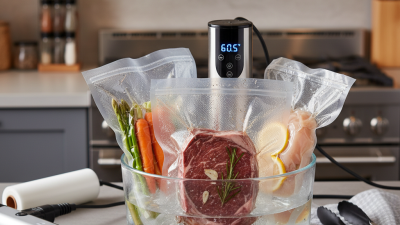
Vacuum sealing is a game changer in food storage and preservation. By removing air from packaging, vacuum sealing significantly reduces oxidation, which is a major cause of food spoilage. According to research from the USDA, vacuum-sealed foods can last 3-5 times longer than traditionally stored items. For instance, poultry can remain fresh for up to two years in vacuum seal bags, compared to merely a few months in the refrigerator.
Data also shows that vacuum sealing helps maintain the nutrients and flavors of food. Without air exposure, vitamins such as A, C, and E are retained more effectively. A report from the Food Research Institute highlights that vacuum-sealed fruits and vegetables retain 90% of their nutrients over extended periods. However, it’s not just about extending shelf life; consideration must be given to proper sealing techniques to avoid pitfalls. Inconsistent sealing can still lead to freezer burn or spoilage.
The convenience of vacuum-sealed food extends beyond preservation. For meal prep, foods can be portioned, making cooking easier. Yet, users should be aware of not overpacking bags, which can impede the vacuum process. Understanding these details ensures that vacuum sealing yields optimal results. Balancing efficiency with technique is essential for making the most of this preservation method.
Benefits of Vacuum Sealing for Food Preservation
Comparing Vacuum Seal Bags with Traditional Storage Methods
Vacuum seal bags have gained popularity for food storage. They offer distinct advantages over traditional methods. In contrast to plastic containers and ordinary zip-lock bags, vacuum seal technology removes air. This process slows down oxidation, which preserves food freshness much longer. Traditional methods can often lead to freezer burn and spoilage, often ruining meals.
Using vacuum seal bags can enhance organization in the kitchen. Foods are compacted, making them easier to store. The clear bags allow you to quickly identify contents. Unlike bulky containers, vacuum-sealed items take up minimal space. However, it’s important to seal correctly. If not done right, air can seep in, negating the benefits.
Yet, some users may find the sealing process cumbersome. Refilling or cleaning traditional containers can be easier for many. Vacuum sealing requires an extra step that some might resist. It's clear that the choice between methods depends on personal preferences and needs. For those seeking long-term preservation, vacuum seal bags stand out, but they are not the only solution.
Environmental Impact of Using Vacuum Seal Bags
Using vacuum seal bags for food storage offers significant benefits for the environment. These bags extend the shelf life of food, reducing waste. Consider how much food normally gets thrown away. Reducing this waste means fewer resources are used in producing new food. Less food waste contributes to lower greenhouse gas emissions.
However, it's essential to consider the materials used in these bags. Many vacuum seal bags are made from plastic. While they minimize food spoilage, they can contribute to plastic pollution. The longevity of plastics means that over time, they can accumulate in landfills and oceans. Awareness is crucial here. We must balance the convenience of vacuum sealing with a commitment to reducing plastic use.
Opting for reusable vacuum bags can be a more sustainable choice. Reusable options reduce the overall demand for single-use plastics. It’s important to wash and maintain these bags properly. This keeps them hygienic for use. As we consider our food storage solutions, reflecting on the environmental impact of our choices is vital.