China Top 10 Vacuum Sealing Food Bags You Should Try Today?
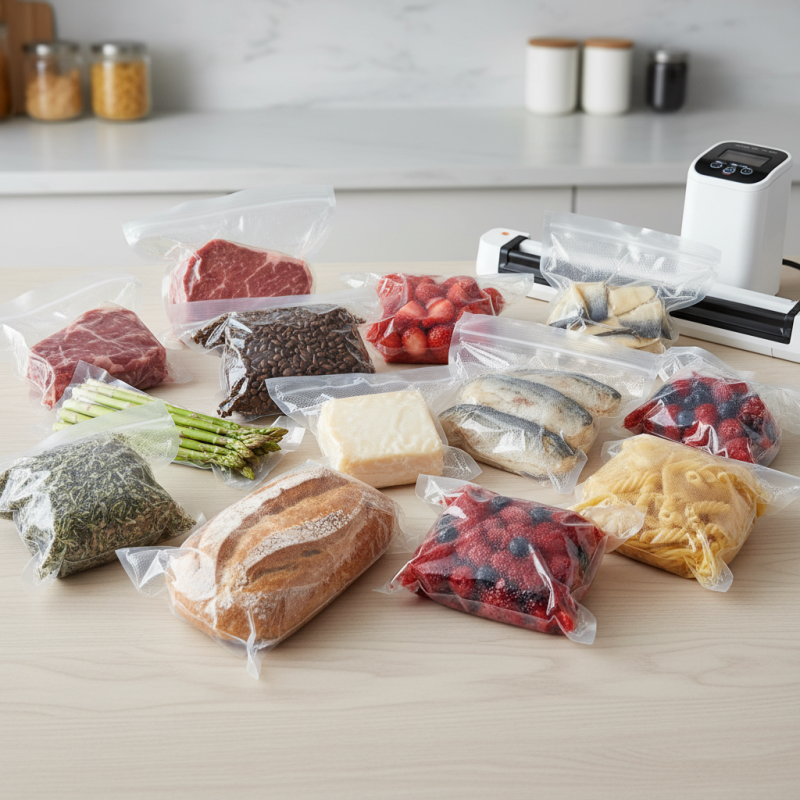
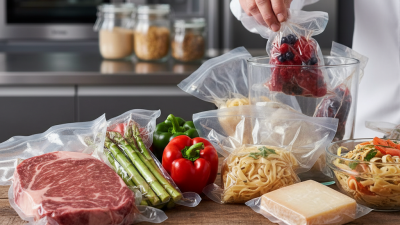
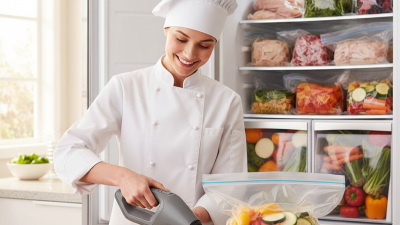
In today's fast-paced world, preserving food freshness is essential. Vacuum Sealing Food Bags have become a popular solution for food storage. They actively remove air, which helps prevent spoilage. This technology enhances the shelf life of various foods, from meats to vegetables.
Choosing the right vacuum sealing bags can be overwhelming. With so many options available, how do we find the best ones? Many brands offer varying thickness, sizes, and materials. Some may not hold up well over time. It's crucial to look for durability and effectiveness.
In this guide, we’ll explore the top 10 vacuum sealing food bags in China. You will discover bags that provide excellent sealing, protecting your food from freezer burn and dehydration. The right choice can make a noticeable difference. Investing in high-quality vacuum sealing bags is a step toward better food storage practices.
Top Features to Look for in Vacuum Sealing Food Bags
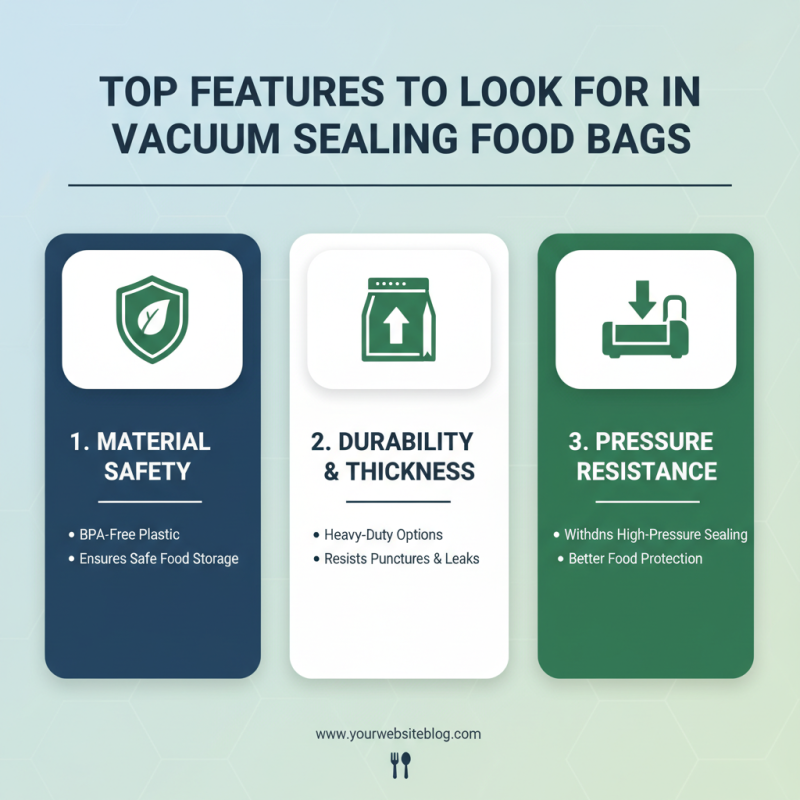
When choosing vacuum sealing food bags, consider the material first. High-quality bags are made from durable, BPA-free plastic. This ensures safe food storage. Look for heavy-duty options that can withstand high-pressure sealing. Thin bags may leak or puncture easily. A thicker bag provides better protection for your food items.
Another essential feature is the compatibility with your vacuum sealer. Some bags are designed specifically for certain machines. Choosing the right fit maximizes the sealing efficiency. Ensure the bags have textured surfaces as they facilitate air removal. A smooth bag can lead to poor sealing results.
Consider the size variety as well. A set that includes different sizes can accommodate various food items. You may need larger bags for meats or bulky items. Smaller bags work well for snacks or marinated dishes. Flexibility is important in a busy kitchen. When assessing these features, reflect on your storage needs and try different styles. It can lead to better meal prep routines.
Benefits of Using Vacuum Sealing for Food Preservation
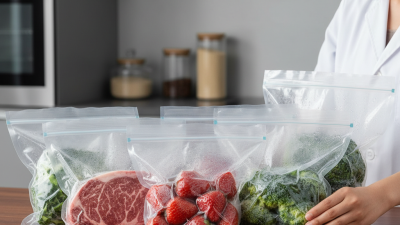
Vacuum sealing food can significantly extend the shelf life of your groceries. By removing air, it slows down oxidation and bacterial growth. This process preserves flavor, texture, and nutrients. Foods like meats, vegetables, and cheeses stay fresher for a longer time. The practical benefits are evident in reduced food waste and cost savings over time.
Experimenting with vacuum-sealed bags can yield varied results. Many people find that not all foods react well to vacuum sealing. Soft fruits, for example, can be crushed easily. Some dried herbs may lose their fragrance. It's important to test which foods work best for you. Adjustments may be necessary.
Using vacuum bags is also about convenience. Mealtime preparation becomes quicker and easier. Marinating meats in a vacuum-sealed bag can enhance the flavor. This technique allows for deeper penetration of seasonings. The versatility of vacuum sealing adds depth to your culinary skills.
Top 10 Vacuum Sealing Food Bags - Features Comparison
This chart illustrates various features of vacuum sealing food bags based on customer ratings. The key features compared include Durability, Seal Strength, Food Preservation, Ease of Use, and Compatibility. Each feature is rated on a scale from 1 to 10, providing insights into the quality and effectiveness of vacuum sealing solutions for food storage.
Comparison of Popular Vacuum Sealing Brands in China
When considering vacuum sealing in China, several brands stand out for their reliability and performance. Recent industry reports indicate that the vacuum sealing market in China has grown by over 15% annually. This growth reflects increasing consumer awareness of food preservation and health.
Popular vacuum sealing brands vary in features. Some focus on user-friendliness, with intuitive controls. Others emphasize durability and high suction power, essential for effective sealing. Reports show a significant demand for bags that can withstand extreme temperatures, making them versatile for sous-vide cooking and freezer storage.
However, challenges remain. Many consumers report difficulties in finding bags that fit various vacuum sealers. Additionally, not all brands guarantee long-term freshness, which can lead to waste. Users should be cautious and seek reviews before purchasing. Quality and compatibility with existing devices should be prioritized. A well-informed choice can lead to better food storage experiences.
Consumer Ratings and Reviews of Top Vacuum Food Bags
When it comes to vacuum sealing food bags, consumer experiences play a crucial role. Many users praise their efficiency in preserving freshness. They note how these bags significantly extend shelf life. Removing air prevents spoilage and locks in flavors. However, not all bags are equally effective. Some reviews mention bag leaks, which can lead to frustration. Quality control may vary between batches, leaving consumers disappointed at times.
User ratings highlight key features. Many favor thickness and durability. A thicker bag often correlates with better performance. Customers appreciate ease of sealing too. Some bags work well with specific vacuum sealers, while others do not. This creates challenges for buyers. Likewise, the size options can be limited. Some consumers need larger bags for bigger items but find a lack of choices. This consistently pops up in feedback.
Despite advancements in vacuum sealing technology, some shortcomings exist. Occasionally, bags might stick together during the sealing process. The vacuum effect may not be optimal if users do not follow instructions. Many recommend testing different brands to find a personal favorite. Overall, the journey toward finding the best vacuum sealing food bags can be a mix of satisfaction and trial and error.
China Top 10 Vacuum Sealing Food Bags You Should Try Today
| Rank |
Product Type |
Material |
Size (cm) |
Quantity per Pack |
User Rating (out of 5) |
Price (RMB) |
| 1 |
Gallon Bags |
Nylon/Poly |
30 x 40 |
20 |
4.7 |
45 |
| 2 |
Quart Bags |
Nylon/Poly |
25 x 30 |
30 |
4.5 |
40 |
| 3 |
Roll Bags |
Multi-layer Plastic |
28 x (varied) |
1 roll |
4.6 |
50 |
| 4 |
Compact Bags |
PE/PA |
20 x 25 |
50 |
4.4 |
35 |
| 5 |
Sous Vide Bags |
Heavy-duty PA |
30 x 30 |
15 |
4.8 |
70 |
| 6 |
Snack Bags |
PE |
15 x 20 |
25 |
4.3 |
30 |
| 7 |
Meat Bags |
Nylon |
30 x 40 |
20 |
4.9 |
55 |
| 8 |
Vegetable Bags |
PE/PA |
20 x 25 |
40 |
4.6 |
32 |
| 9 |
Pantry Bags |
Heavy-duty Plastic |
30 x 40 |
20 |
4.2 |
48 |
| 10 |
Specialty Bags |
Custom Material |
Assorted |
10 |
4.1 |
60 |
Environmental Impact of Vacuum Sealing Packaging Solutions
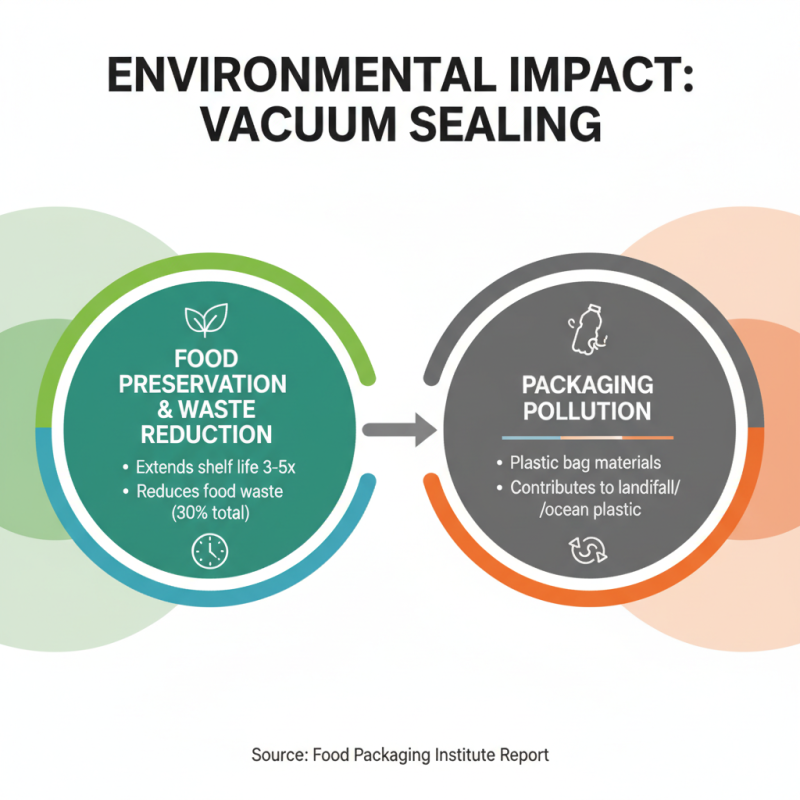
Vacuum sealing is popular for preserving food. However, it has notable environmental impacts that deserve attention. According to a report by the Food Packaging Institute, around 30% of food waste occurs due to improper storage. Vacuum sealing can significantly reduce this waste, extending shelf life by 3 to 5 times. Yet, the materials used in vacuum bags can sometimes contribute to plastic pollution.
The manufacturing of vacuum sealing bags often involves petroleum-based plastics. A study by the Environmental Research Letters highlights that single-use plastic production generates 400 million tons of waste annually. This figure includes packaging solutions like vacuum bags. Notably, only 9% of plastics actually get recycled. If consumers do not recycle these materials properly, they end up in landfills or oceans.
Additionally, recent findings from the World Economic Forum suggest that addressing food waste through vacuum sealing could prevent 1.3 billion tons of carbon emissions yearly. While the benefits of reducing food spoilage are evident, it raises an important question: is the convenience of vacuum sealing worth the environmental trade-offs? More sustainable alternatives are emerging, calling for greater industry responsibility and consumer awareness.