Top 10 Benefits of Using Vacuum Seal Bags for Food Storage and Preservation?
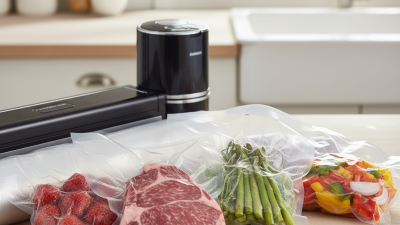
Vacuum Seal Bags have revolutionized food storage and preservation. According to industry expert Dr. Laura Green, “Using Vacuum Seal Bags can significantly extend the shelf life of food.” This innovative solution not only reduces waste but also maintains the freshness and flavor of your meals.
In today's fast-paced world, the need for food preservation is crucial. Many people struggle with keeping food fresh without spoilage. Vacuum Seal Bags can help eliminate air, preventing oxidation and bacteria growth. This leads to longer-lasting food that retains its original taste and texture.
However, it's important to use these bags properly. Improper sealing may lead to air pockets, which compromise the food's quality. Users should also be mindful of what types of food they vacuum seal. For example, moist foods can create issues if not handled correctly. By understanding the strengths and limitations of Vacuum Seal Bags, consumers can maximize their benefits while ensuring food safety.
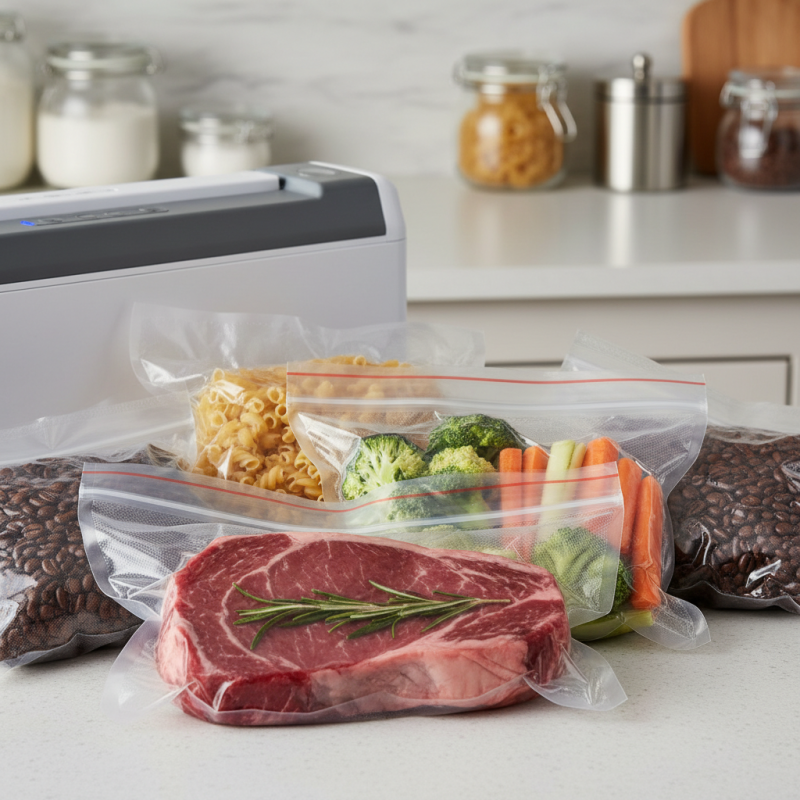
Benefits of Vacuum Seal Bags for Extended Food Freshness
Vacuum seal bags are gaining popularity for their ability to extend food freshness. According to a study from the USDA, vacuum sealing can increase storage life by up to five times for many foods. This method reduces air exposure, which prevents the growth of spoilage bacteria and mold. Fresh produce can last significantly longer when vacuum sealed compared to standard storage methods.
Furthermore, vacuum seal bags help retain the nutrients in food. Research suggests that sealed food maintains its vitamins and minerals better than food stored in regular containers. For example, studies have shown that fruits and vegetables retain about 80% of their vitamins when vacuum sealed, compared to only about 50% when stored in traditional ways. This has practical implications for meal prepping and saving money.
However, it is essential to apply best practices for vacuum sealing. Improper sealing can lead to air exposure and spoilage. Not all foods are suitable for vacuum sealing; some can crush or modify in texture. It’s crucial to consider the type of food and its condition prior to sealing. Awareness of these factors can enhance the effectiveness of vacuum storage.
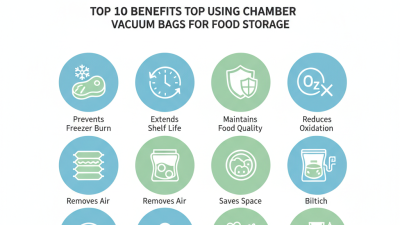
Top 10 Benefits of Using Vacuum Seal Bags for Food Storage and Preservation
| Benefit |
Description |
| Extended Freshness |
Vacuum sealing removes air, dramatically extending the shelf life of food. |
| Reduced Waste |
Keeping food fresh longer minimizes spoilage and waste. |
| Flavor Preservation |
Helps to lock in flavors and prevent the loss of essential oils. |
| Space-Saving Storage |
Vacuum-sealed bags take up less space in the fridge or pantry. |
| Portion Control |
Allows for better portioning, which can help with meal planning. |
| Prevention of Freezer Burn |
Protects food from freezer burn by eliminating air exposure. |
| Sous Vide Cooking |
Ideal for sous vide cooking, ensuring even cooking and enhanced flavors. |
| Easier Meal Prep |
Facilitates quicker meal preparation and cooking times. |
| Prevents Cross-Contamination |
Keeps different food items sealed to avoid cross-contamination. |
| Long-Term Storage |
Suitable for long-term food storage for seasonal items. |
How Vacuum Seal Bags Prevent Freezer Burn and Food Spoilage
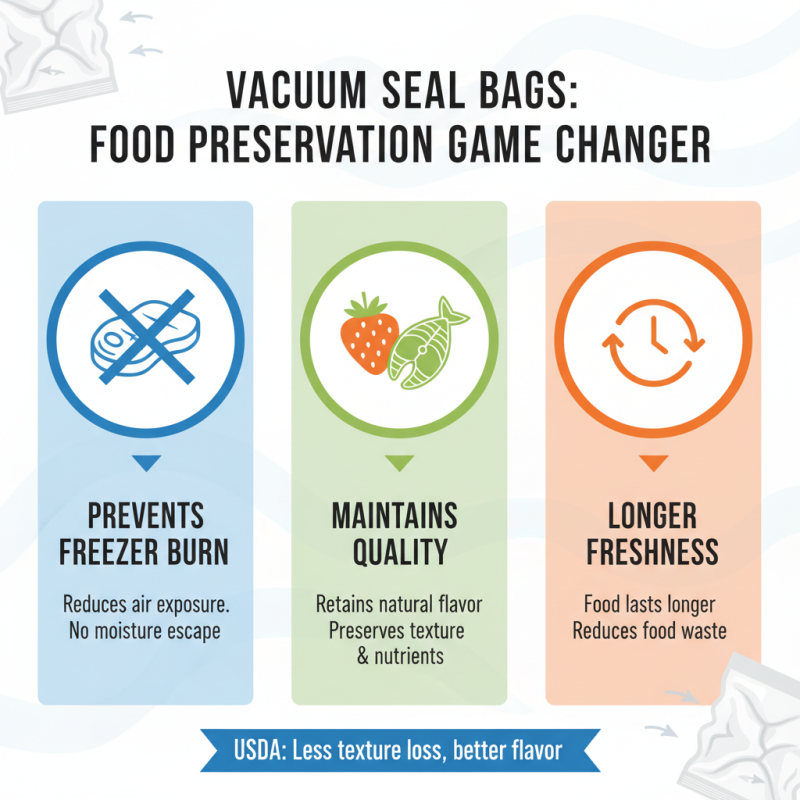
Vacuum seal bags are a game changer for food storage. They reduce exposure to air, preventing freezer burn. Freezer burn occurs when moisture escapes from food. According to the USDA, this can lead to texture loss and undesirable flavor changes. Foods wrapped in vacuum seal bags maintain their taste and nutritional value for longer.
Studies indicate that food can last 2-3 times longer when vacuum sealed compared to traditional storage methods. For instance, fruits and vegetables can lose up to 30% of their moisture in regular bags. This moisture loss not only impacts quality but also leads to spoilage. Vacuum sealing can preserve the freshness of these items, making them ideal for long-term storage.
Using vacuum seal bags also has environmental benefits. Less food waste means fewer resources are used. A report from the Food and Agriculture Organization highlights that about one-third of food produced globally is wasted. By effectively managing food preservation, vacuum seal bags can contribute to reducing this alarming statistic. However, it's essential to ensure that the bags used are of quality that supports safe food preservation.
Space-Saving Advantages of Vacuum Sealing Food
Vacuum seal bags are a game-changer for food storage. They not only keep food fresh but also save space. By removing air, these bags can reduce the volume of bulky items by up to 50%, according to a study from the National Institute of Food Technology. This means more room in your refrigerator or freezer for other essentials.
Using vacuum seal bags can help prevent freezer burn, which is a common issue with traditional storage methods. Without air exposure, food retains its taste and texture better. Packing food tightly can also simplify organization. You can stack or store bags more efficiently. Consider sorting food by types or meal prep for easy access.
Tips: Always ensure bags are free of wrinkles for a proper seal. Use markers to label contents and dates. This will help in tracking freshness and rotation. Rethink how you store your foods, as vacuum sealing reduces spoilage and waste. While it may seem perfect, not every item seals well. Some delicate foods may crush easily. Adjust your approach to find what works best for you.
Top 10 Benefits of Using Vacuum Seal Bags for Food Storage and Preservation
Cost-Efficiency: Reducing Food Waste with Vacuum Seal Bags
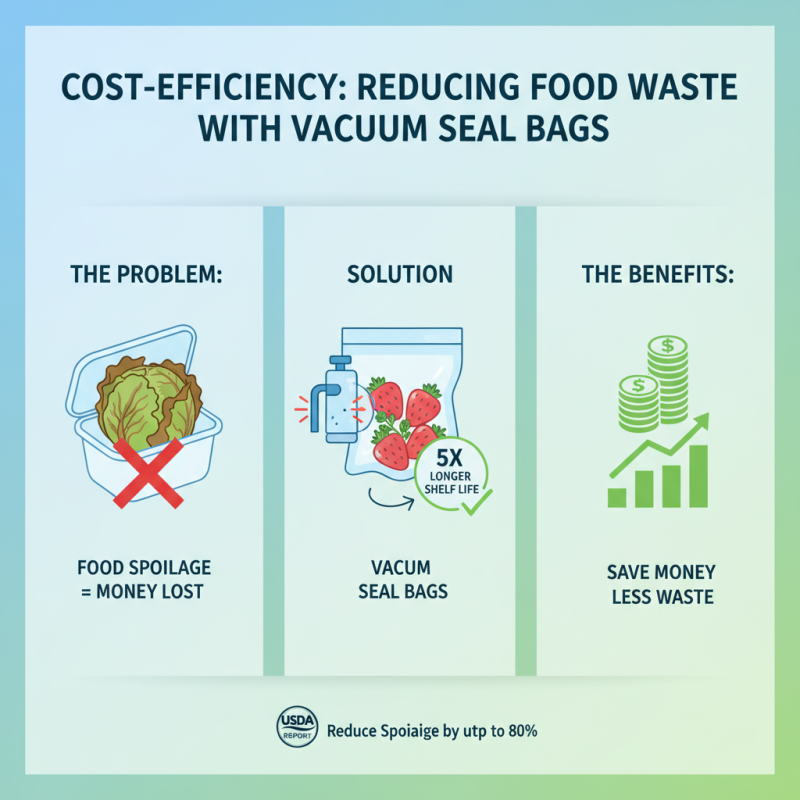
Vacuum seal bags are a game-changer for food storage. By removing air, they significantly extend the shelf life of perishable items. The USDA reports that vacuum-sealed foods can last up to five times longer than traditional storage methods. This reduction in spoilage translates to substantial cost savings.
Food waste is a pressing issue globally. According to the Food and Agriculture Organization (FAO), about one-third of food produced for human consumption is wasted. When using vacuum seal bags, even small portions can be stored effectively, reducing potential waste. For instance, sealing leftovers securely can keep them fresh for weeks, giving consumers more time to enjoy their meals.
While vacuum sealing offers many advantages, it’s not foolproof. Improper sealing can lead to freezer burn, which might deter some from utilizing these bags fully. It’s also essential to consider that not all foods are suitable for vacuum sealing. Items like mushrooms or leafy greens may require special handling to avoid moisture buildup. Understanding these nuances is key to maximizing the effectiveness of vacuum storage.
Versatility of Vacuum Seal Bags for Various Food Types and Cooking Methods
Vacuum seal bags offer remarkable versatility when it comes to food storage and preparation. These bags protect a wide range of food types—from meats to fruits and vegetables. According to a report by the Food Safety Institute, vacuum sealing can reduce spoilage by over 50%. This method provides an extended shelf life, which is critical for both home cooks and professional chefs.
Different cooking methods can also benefit from vacuum seal bags. Sous vide, for instance, relies on these bags to infuse flavors while cooking evenly. The vacuum-sealed environment allows for precise temperature control, enhancing the food’s texture and taste. A 2022 study by Culinary Science Analytics found that dishes cooked sous vide retained 40% more nutrients compared to traditional boiling methods.
Yet, using vacuum seal bags has its shortcomings. Some users find it challenging to create a perfect seal, which can allow air to enter. This issue may lead to freezer burn if not addressed. Additionally, not all foods are suitable for vacuum sealing; items with high moisture content, like soft cheeses, may not seal effectively. Understanding these nuances helps users optimize their food storage strategy.