How to Use Vacuum Sealing Food Bags for Maximum Freshness?
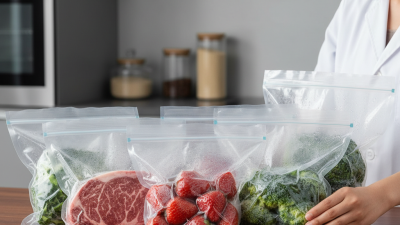
Vacuum sealing food bags is a game changer in food preservation. According to a recent industry report, vacuum sealing can extend the shelf life of perishable foods by up to five times. This technique minimizes air exposure, preventing the growth of bacteria and mold. As food waste continues to rise, finding efficient storage solutions is critical. In the U.S. alone, about 40% of food is wasted, leading to significant economic and environmental consequences.
Using Vacuum Sealing Food Bags not only keeps your food fresh but also enhances flavor. The process locks in moisture and prevents freezer burn. Professional chefs and home cooks alike appreciate the perks of vacuum sealing. However, improper sealing can lead to spoilage and wasted money. It’s essential to understand the type of bags and machines that work best for your needs. While vacuum sealing can be simple, many people struggle with its implementation.
Investing in quality equipment is necessary for maximum effectiveness. A cheap vacuum sealer might not deliver the desired results. Studies show that consumers often overlook the importance of proper sealing techniques. Awareness and understanding of best practices can significantly reduce waste and improve food quality. It’s time to rethink how we store food to ensure long-lasting freshness.
Understanding Vacuum Sealing and Its Benefits for Food Preservation
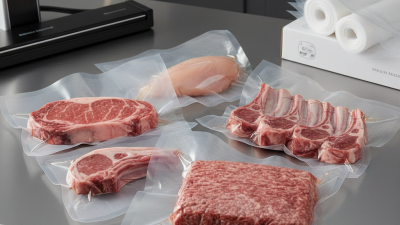
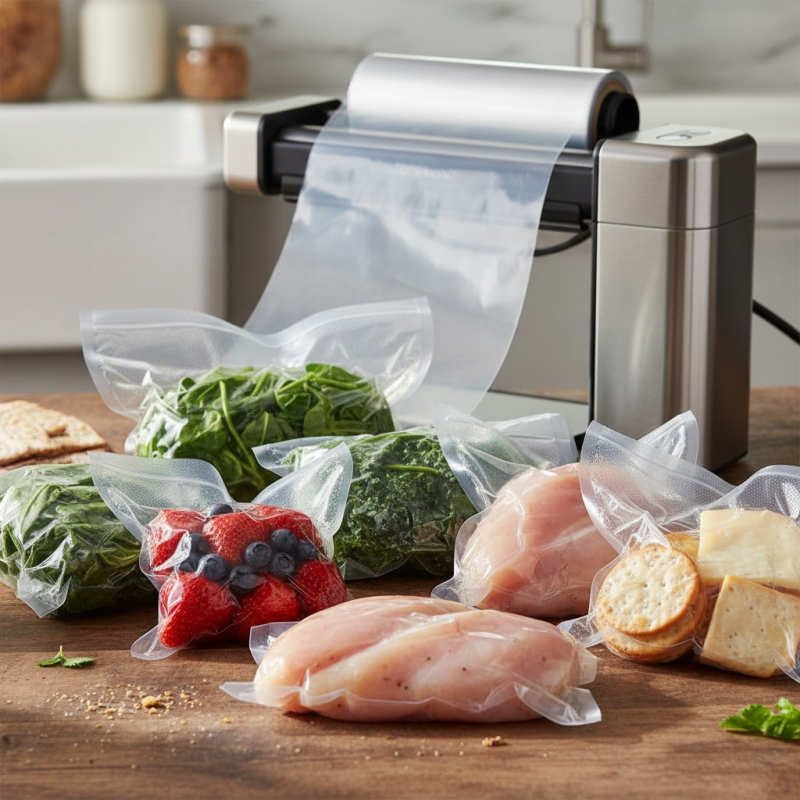
Vacuum sealing is a powerful method for preserving food. It removes air from bags to slow down spoilage. This process increases the shelf life of perishable items, keeping them fresh longer. Without air, mold and bacteria struggle to thrive. For many households, vacuum sealing is a game changer in food storage.
Understanding the benefits is essential. Vacuum-sealed foods maintain their flavor and nutritional value. They prevent freezer burn, which can ruin meats and vegetables. Imagine opening a bag of perfectly preserved berries in the middle of winter, tasting their summer sweetness. However, it’s not just about convenience. You must ensure bags are properly sealed to prevent leaks. This technique requires practice. Sometimes, bags may not seal completely, risking food quality.
Experimenting with different types of foods can reveal surprising results. Try sealing different fruits, vegetables, or even dry goods. Each item behaves uniquely in a vacuum. Reflecting on these outcomes helps improve your sealing skills. Dietary habits change over time, and your method should adapt as well. Embracing continuous learning can lead to better food management in your kitchen.
Choosing the Right Vacuum Sealing Bags for Your Needs
Choosing the right vacuum sealing bags is crucial for maximizing food freshness. Not all bags are created equal. Factors like material, thickness, and compatibility with your sealer matter significantly. According to a report from The Food Safety and Inspection Service, food stored in vacuum-sealed bags can last 2 to 3 years compared to just a few months in regular storage. This is largely due to the reduction of air exposure.
Consider the type of food you are sealing. For instance, moisture-rich foods require heavier gauge bags to prevent punctures. On the other hand, dry foods can utilize lighter bags. A 2022 study by the Journal of Food Science revealed that thicker bags (over 4 mils) reduced freezer burn by 60%. However, choosing thicker bags may lead to challenges in sealing, requiring adjustments in your sealing technique.
Additionally, reflect on environmental impacts. Single-use plastic bags contribute to waste issues. Some manufacturers now offer reusable vacuum bags that promote sustainability. While they might not provide the same longevity as traditional bags, they can be beneficial for frequent users. Balancing performance and environmental responsibility is essential in today’s food storage practices.
Vacuum Sealing Food Bags Freshness Comparison
Step-by-Step Guide to Vacuum Sealing Food Properly
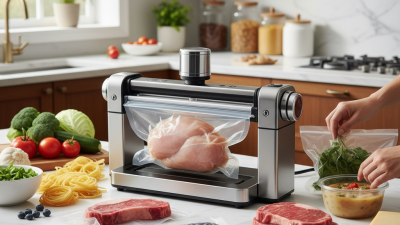
Vacuum sealing food is an effective way to maintain freshness and extend shelf life. To begin, gather your supplies. You'll need vacuum sealing bags and a vacuum sealer. Choose bags that suit your food items. For dry items, opt for standard bags. For moist foods, select special ones designed to prevent moisture from entering.
Place food inside the bag, leaving enough space at the top. This space is crucial for the sealer's proper function. Seal the bag according to your sealer’s instructions. Ensure a tight seal to prevent air from leaking in. Check the edges to verify that no food obstructs the seal. Imperfections can lead to spoilage.
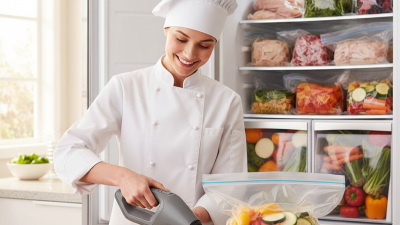
Once sealed, label the bags with the contents and date. Store them in a cool, dark place or the freezer for longer freshness. Regularly check your stored food. Sometimes, bags might have defects. If you detect any air or changes in food quality, rethink your sealing technique. Adjusting your methods can enhance results.
Best Practices for Storing Vacuum-Sealed Bags
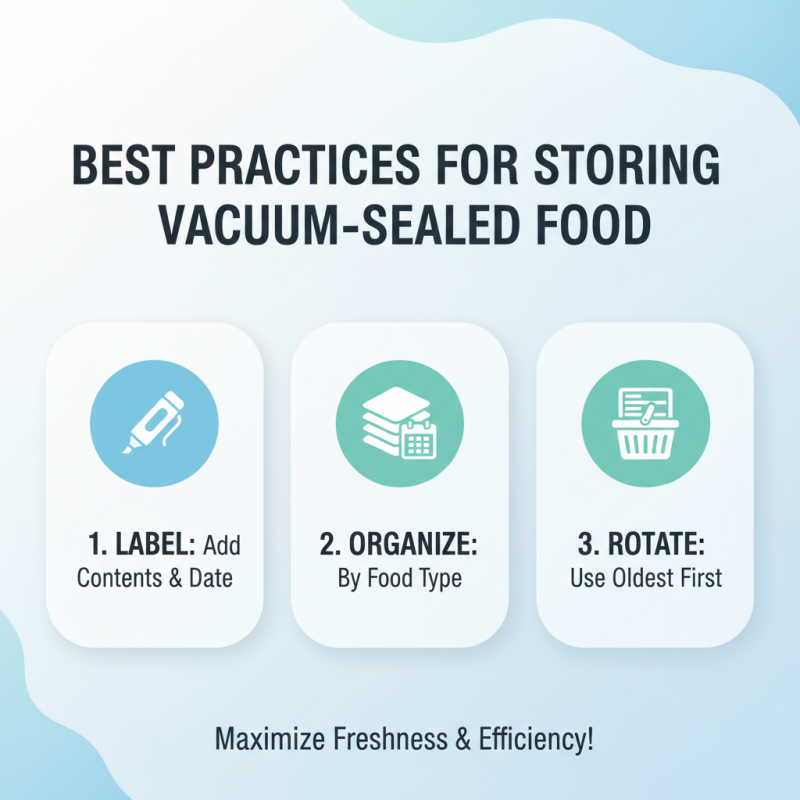
When using vacuum-sealed bags, proper storage is essential for maximizing freshness. Start by labeling each bag with the contents and date of sealing. This practice helps keep track of what you have and ensures you use older items first. Consider organizing your sealed bags by food type in your freezer or pantry. This strategy simplifies meal preparation and avoids wasting time searching for ingredients.
Temperature control plays a critical role in food preservation. Store vacuum-sealed bags in a cool, dark place. If you’re keeping them in the freezer, ensure they are placed flat. This position helps prevent freezer burn, which can occur even with vacuum sealing. Remember that some foods, like soft cheeses and certain fruits, may not be suitable for vacuum sealing due to their texture and moisture content.
Also, be mindful of potential air pockets. These pockets can occasionally form during sealing, compromising freshness. Always double-check seals before storing bags. Although vacuum sealing is beneficial, it is not foolproof. Occasionally inspect your stored bags for any signs of spoilage. This awareness is key to maintaining quality and ensuring food safety over time.
Tips for Maintaining Freshness After Vacuum Sealing
Vacuum sealing food can greatly enhance its freshness, but post-sealing care is crucial. After sealing, store bags in a cool, dark place. The USDA reports that proper storage can prolong shelf life by 3 to 5 times compared to non-sealed foods. Avoid exposing them to direct sunlight or heat sources, which can cause damage. Not all vacuum bags are created equal; some may not be suitable for long-term storage. Check for reliable packaging with proper safety ratings.
Reassess your sealing process regularly. Ensure bags are airtight and check seals often. If air enters, spoilage occurs. After initial sealing, consume high-fat foods like nuts within a few months. Even when sealed, fats can go rancid. Fresh fruits and vegetables should be minimally stored; moisture can lead to mold. Use a food-safe desiccant to absorb moisture if needed.
Regularly evaluate the condition of your stored items. The first sign of spoilage should prompt disposal. Understand that over time, even vacuum-sealed food may lose some freshness. The goal is to maximize quality while recognizing that limits exist. Implementing these practices can make a noticeable difference.
How to Use Vacuum Sealing Food Bags for Maximum Freshness? - Tips for Maintaining Freshness After Vacuum Sealing
| Food Item |
Optimal Sealing Time (Months) |
Storage Temperature (°F) |
Tips for Maximum Freshness |
| Meat |
12 |
32°F to 40°F |
Freeze immediately after sealing for best results. |
| Poultry |
9 |
32°F to 40°F |
Avoid storing in the refrigerator for long periods. |
| Vegetables |
24 |
32°F to 40°F |
Blanch before sealing to maintain color and nutrients. |
| Fruits |
12 |
32°F to 40°F |
Seal when ripe; consider freezing for long-term storage. |
| Cheese |
6 |
34°F to 38°F |
Store in a cool place and consume within its timeframe. |
| Grains |
24 |
Room temperature |
Keep in a dark, dry place for best results. |