Leave Your Message

What is Vacuum Seal Shrimp Benefits and Best Uses?

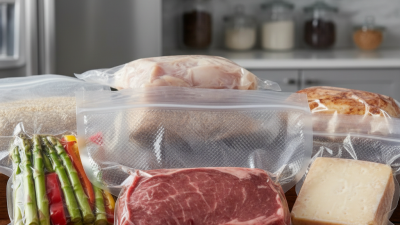
Vacuum seal shrimp is gaining popularity among seafood enthusiasts and home cooks alike. This technique offers a way to enhance the freshness and flavor of shrimp while extending its shelf life. Vacuum sealing removes air from the packaging, minimizing oxidation and preventing freezer burn. As a result, you can enjoy delicious shrimp for longer periods.

Additionally, vacuum seal shrimp maintains the natural texture and taste of the seafood. Whether sautéing, grilling, or steaming, this method ensures that each bite is tender and flavorful. It simplifies preparation and storage, making it an excellent choice for meal prepping. The convenience of vacuum sealing makes it easier for busy individuals to incorporate shrimp into their diets.

Yet, vacuum sealing isn't without its challenges. Ensuring that shrimp is cleaned properly before sealing is crucial. Improper sealing can lead to issues such as spoilage. As you explore the benefits of vacuum seal shrimp, consider your own cooking practices. Seeking guidance and tips from experts can optimize your experience and cooking results.
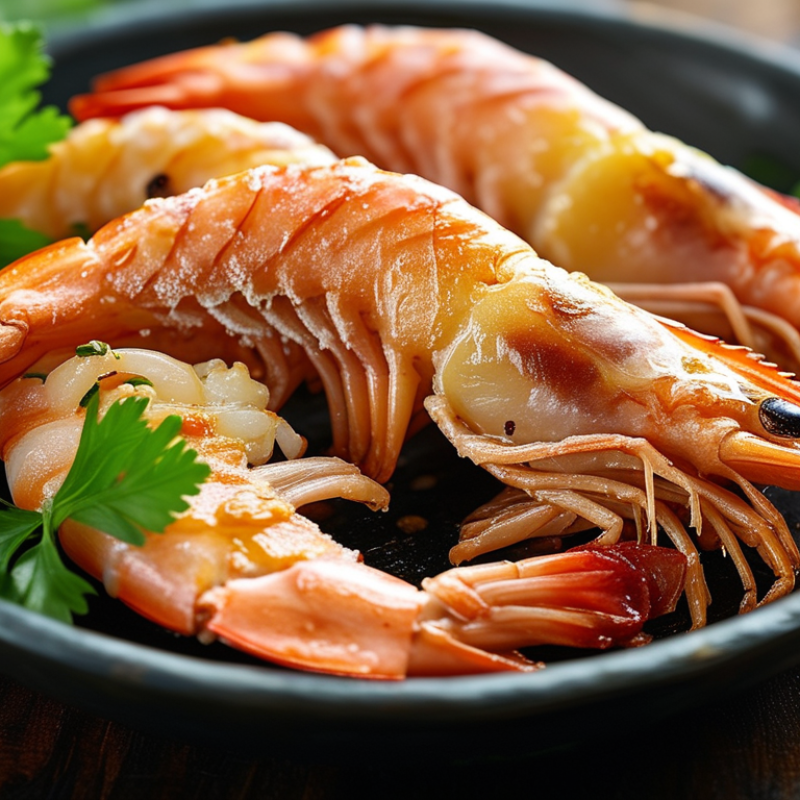
What is Vacuum Seal Shrimp Benefits and Best Uses?

What is Vacuum Seal Shrimp and How is it Prepared?

Vacuum seal shrimp is a popular method of seafood preservation. This technique ensures freshness while extending the shelf life of shrimp. It involves removing air from sealed bags, preventing freezer burn and oxidation, which can affect quality. Properly vacuum-sealed shrimp can last up to two years in the freezer.

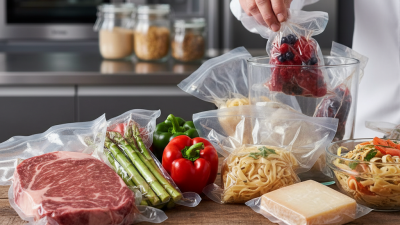
Preparation of vacuum seal shrimp is straightforward. Start with fresh, high-quality shrimp. Clean and devein them thoroughly. Blanching is a recommended step; it enhances flavor and texture. After cooling, arrange shrimp in vacuum bags. Be mindful not to overcrowd them. Seal the bags tightly using a vacuum sealer, ensuring no air remains inside.

Tips: Always label your vacuum-sealed bags with dates for easy tracking. When cooking, consider thawing shrimp overnight in the refrigerator for optimum texture. If you’re in a hurry, place the bag under cold running water for quick thawing.

While vacuum sealing is beneficial, it’s essential to remember food safety. Pay attention to proper handling. Over time, textures might change, so aim for using shrimp within six months for the best taste. Experimentation in cooking methods can lead to delightful outcomes, but not every attempt will be perfect.
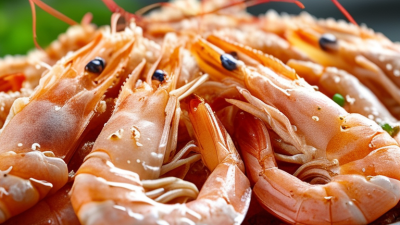
Key Benefits of Using Vacuum Sealed Shrimp in Cooking

Vacuum sealing shrimp offers distinct benefits for cooking enthusiasts. This method preserves the shrimp's freshness, enabling longer storage without spoilage. Recent studies indicate that vacuum-sealed shrimp can maintain quality for up to 12 months, compared to just a few days for fresh shrimp. This not only saves money but also reduces food waste.

Another advantage is enhanced flavor infusion. When shrimp is vacuum sealed, marinades penetrate better. A study published in the Journal of Food Science found that vacuum-sealed shrimp absorb up to 40% more marinade than traditional methods. This results in a more flavorful dish. On top of that, cooking with vacuum-sealed shrimp can be more efficient. Sous vide cooking, a technique gaining popularity, works well with vacuum-sealed shrimp. The gentle and consistent heat helps maintain a tender texture and avoids overcooking.

However, challenges exist. Some chefs worry about loss of texture. When vacuum sealing, shrimp can become mushy if left for too long. It’s crucial to monitor marinating time. Balancing flavor and texture is key for the perfect dish. While vacuum sealing provides notable benefits, understanding its nuances is essential in crafting a delicious meal.

Benefits of Using Vacuum Sealed Shrimp in Cooking

Best Cuisines and Dishes for Vacuum Sealed Shrimp

Vacuum-sealed shrimp offer unique benefits in cooking, especially in terms of flavor and preservation. This method locks in freshness while preventing freezer burn. Studies show that vacuum sealing can extend the shelf life of shrimp by up to 50%. This makes it an excellent choice for gourmet cuisines that focus on high-quality ingredients.

When used in the right dishes, vacuum-sealed shrimp shines. It can be perfect for Thai curries, adding a deep umami flavor. The shrimp remains succulent and absorbs spices well. In pasta dishes, vacuum-sealed shrimp maintains its natural sweetness, making it ideal for creamy sauces. Seafood tacos benefit too, as the vacuum sealing ensures the shrimp's texture holds during frying.

Cooking professionals often stress the versatility of vacuum-sealed shrimp. However, not all methods work for everyone. Some chefs prefer traditional techniques, fearing the loss of texture. Others highlight the convenience of pre-prepared vacuum-sealed ingredients. This invites reflection on whether convenience outweighs traditional methods in cooking. While vacuum-sealed shrimp contributes to culinary innovation, the debate continues around its place in gourmet kitchen practices.

What is Vacuum Seal Shrimp Benefits and Best Uses? - Best Cuisines and Dishes for Vacuum Sealed Shrimp

Benefits Best Uses Preparation Tips Storage Duration
Extended freshness Grilling Keep shrimp dry before sealing 1-2 years in freezer
Prevents freezer burn Boiling Use vacuum seal bags designed for freezing 6-12 months in refrigerator
Retains flavor and texture Sous vide cooking Season shrimp before sealing for enhanced flavor Can be stored uncooked for 1-2 days
Health benefits (high protein, low fat) Stir-frying Avoid overcrowding in the vacuum bag Best consumed within a week once thawed

Storage Tips and Shelf Life of Vacuum Sealed Shrimp

Vacuum-sealed shrimp offers remarkable advantages for storage and prolonging freshness. The vacuum sealing process removes air, which inhibits the growth of bacteria and mold. Research indicates that vacuum-sealed seafood can last up to two to three times longer than conventional storage methods. When properly stored, vacuum-sealed shrimp can maintain quality for six to twelve months in the freezer.

It is crucial to consider temperature control. Ideal storage conditions involve keeping shrimp at or below 0°F (-18°C). In these conditions, the risk of freezer burn decreases significantly. However, improper sealing or fluctuations in temperature can lead to quality degradation. Some consumers may overlook the importance of checking for punctures or leaks in the packaging. These small details can significantly impact the freshness and safety of the shrimp.

Shelf life also depends on the shrimp's initial quality at the time of vacuum sealing. High-quality, fresh shrimp will typically last longer in storage than older, less fresh products. It's advisable to label and date the packages upon sealing. This helps track freshness and avoids using shrimp that may be past its prime. Balancing these factors ensures that consumers enjoy the full benefits of vacuum-sealed shrimp.

Comparing Vacuum Sealed Shrimp to Fresh and Frozen Options

When comparing vacuum-sealed shrimp to fresh and frozen options, several factors come into play. Vacuum sealing involves removing air from packaging. This process helps to preserve shrimp's freshness. According to the National Oceanic and Atmospheric Administration, vacuum sealing can extend shelf life by up to two years compared to fresh shrimp, which typically lasts only a few days.

However, it’s essential to consider quality. While vacuum-sealed shrimp retains its taste better than frozen, it may sometimes lack the crispness of freshly caught seafood. Research shows that frozen shrimp can suffer from freezer burn if not stored properly. In contrast, vacuum-sealed versions often avoid this problem, providing a more reliable option. Still, some people miss that “just-caught” flavor of fresh shrimp, leading to a preference that varies among consumers.

Nutritionally, vacuum-sealed shrimp generally retains most of the protein and nutrients found in fresh shrimp. A report by the Seafood Nutrition Partnership indicates that shrimp is rich in omega-3 fatty acids, which are crucial for heart health. Some might argue that vacuum sealing alters texture slightly, making it less appealing to certain palates. This nuanced comparison highlights the need for careful selection based on personal taste and intended use.