Top Vacuum Packs Benefits and Uses for Food Storage and Preservation?
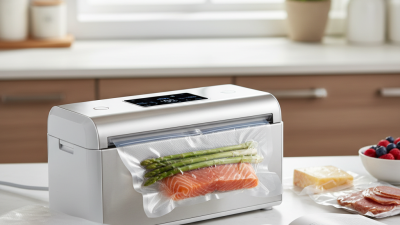
Vacuum Packs have revolutionized food storage and preservation. According to a report by MarketsandMarkets, the global vacuum packaging market is projected to reach $37 billion by 2025. This growth highlights the increasing reliance on vacuum technology in households and industries.
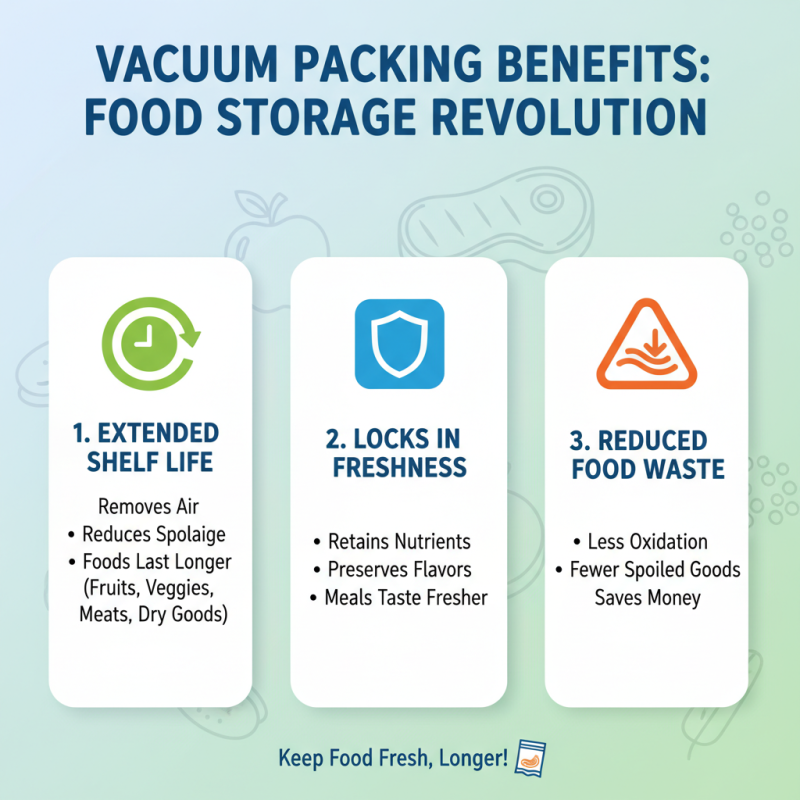
Using vacuum packs can extend the shelf life of food significantly. By removing air, they prevent oxidation, which is a leading cause of spoilage. A study published in the Journal of Food Science noted that vacuum-sealed foods could last three to five times longer than traditionally stored items. This method not only helps in maintaining freshness but also reduces food waste.
Despite the benefits, users should be aware of potential shortcomings. Improper sealing can lead to bacterial growth, counteracting the advantages of vacuum packing. Moreover, not all foods are suitable for vacuum packing. It’s essential to understand the right application to maximize effectiveness. As the market grows, so does the need for awareness and education on proper usage techniques.
Benefits of Vacuum Packing for Food Storage
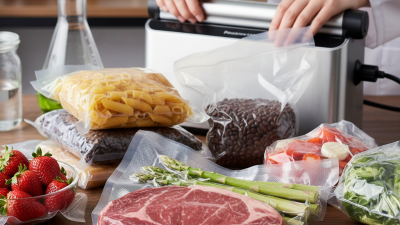
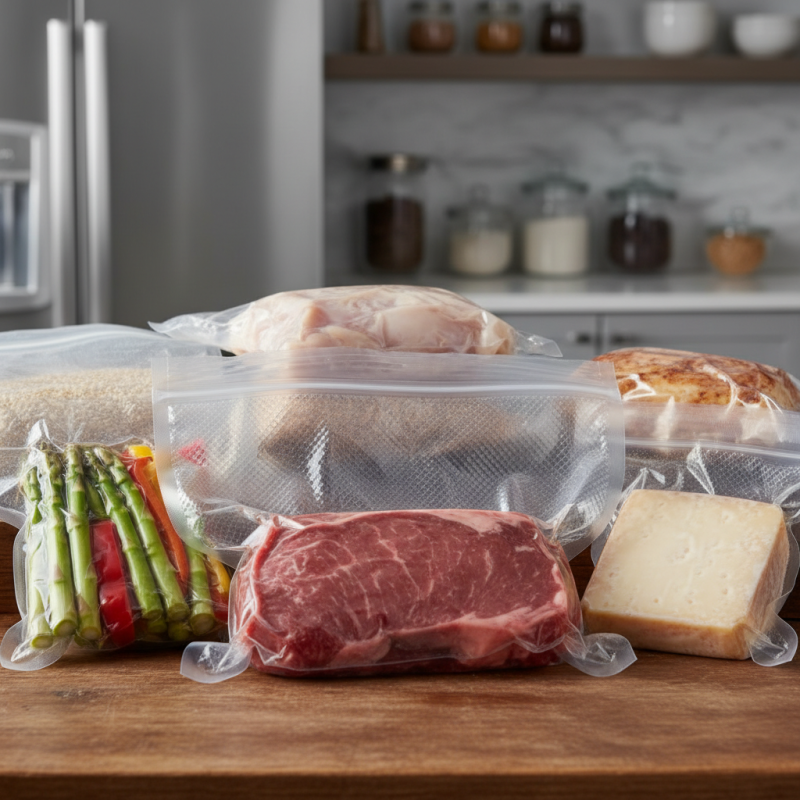
Vacuum packing offers numerous benefits for food storage. It effectively extends the shelf life of various foods by removing air. By doing so, you reduce the oxidation process that leads to spoilage. Foods such as fruits, vegetables, meats, and even dry goods last longer when vacuum sealed. This method locks in nutrients and flavors, making meals taste fresher when opened.
Another crucial advantage is the prevention of freezer burn. When food is stored in regular packaging, it can develop freezer burn from ice crystals. This alters taste and texture. Vacuum packing minimizes this risk by sealing out moisture. Food keeps its quality better over time. It is an excellent method for meal prep, ensuring that dishes retain their intended flavors.
However, it's essential to consider food safety and storage practices. Proper sealing is key. If a seal fails, the food can spoil quickly. Moreover, vacuum-sealed food still requires refrigeration or freezing. This method is not a substitute for proper food handling techniques. Always label and date your packages for clarity. Reflecting on these points can lead to better food management in your kitchen.
How Vacuum Packs Extend Shelf Life of Perishable Foods
Vacuum packs are a game-changer for food storage. By removing air from the packaging, they significantly extend the shelf life of perishable foods. This is essential for maintaining freshness and nutritional value. Fruits, vegetables, and meats can all benefit. Studies show that vacuum-sealed foods can last 3 to 5 times longer than traditional storage methods.
Moreover, vacuum packing prevents freezer burn. This common issue occurs when air reaches food. It leads to loss of flavor and texture. With vacuum packs, the risk of freezer burn diminishes. Users often notice that their food retains its original taste and appearance. However, it’s important to ensure a proper seal. An imperfect seal may lead to spoilage. It’s a small detail that makes a big difference.
Lastly, vacuum packing is not foolproof. Some foods are too moist for effective sealing. Items like watermelon or raw meats can create problems. It’s crucial to consider these factors when choosing foods to vacuum pack. Being mindful of these nuances can enhance your food preservation strategy.
Top Vacuum Packs Benefits and Uses for Food Storage and Preservation
This bar chart illustrates the top benefits of using vacuum packs for food storage and preservation. The data reflects the percentage of users who found these benefits significant in their food preservation efforts.
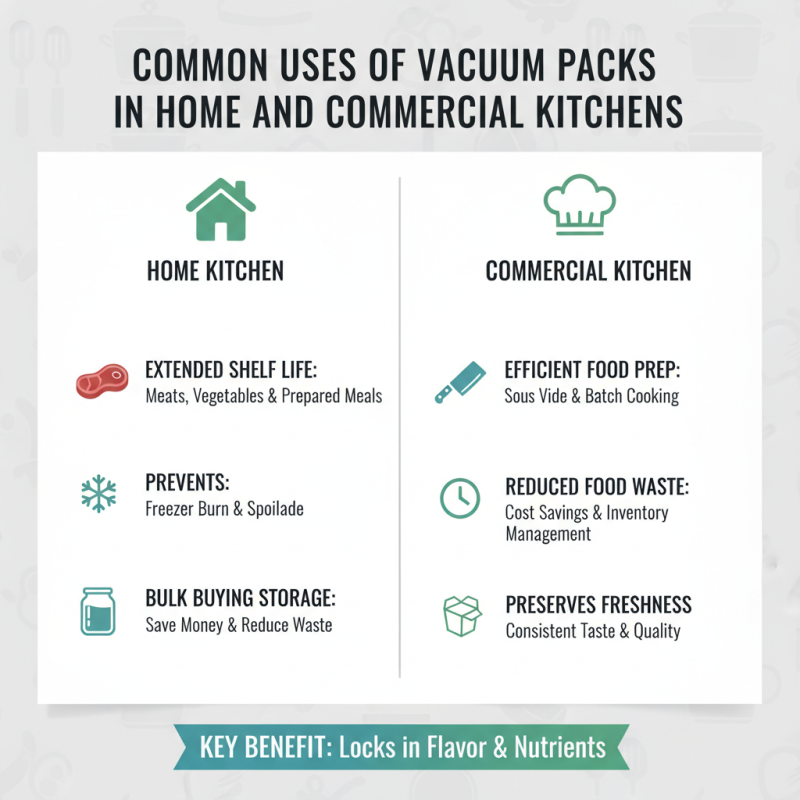
Common Uses of Vacuum Packs in Home and Commercial Kitchens
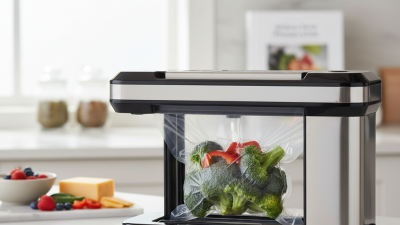
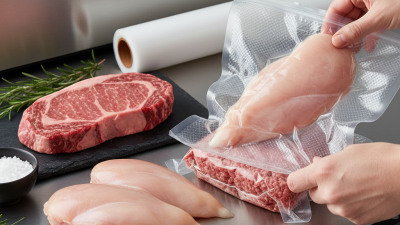
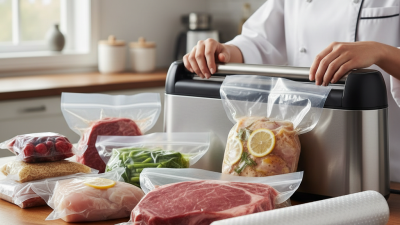
Vacuum packs have become essential in both home and commercial kitchens. They provide an effective way to store food, extending its shelf life. By removing air, these packs reduce the risk of spoilage and freezer burn. This makes them ideal for storing meats, vegetables, and pre-prepared meals. Many chefs appreciate the ability to preserve freshness without compromising taste.
In home kitchens, vacuum packs simplify meal prep. Foods sealed in vacuum bags retain flavor and nutrients. This is especially helpful for sous vide cooking, which has gained popularity among food enthusiasts. However, vacuum sealing isn't just for chefs. Home cooks can use it for leftovers or bulk shopping. It's a practical solution that helps minimize food waste.
Commercial kitchens utilize vacuum packs for a different reason. They aid in inventory management. By sealing ingredients, staff can easily track use and minimize spoilage. This method can be more efficient than traditional storage. Nonetheless, it's critical to maintain proper techniques. Improper sealing can lead to contamination, negating benefits. Understanding how to use vacuum packs effectively is key to maximizing their advantages.
Comparing Vacuum Packing to Other Food Preservation Methods
Vacuum packing stands out among food preservation methods. Unlike traditional storage, it removes air, extending shelf life significantly. This technique keeps food fresher by preventing oxidation. In contrast, methods like canning or freezing alter texture and flavor. Vacuum sealing helps maintain the original taste and nutrients.
Another major advantage is space efficiency. Vacuum-sealed bags take up less room than bulky containers. This makes organizing your freezer much easier. However, it's essential to handle food correctly. Failure to follow safety guidelines can lead to bacterial growth. Not all foods are suitable for vacuum sealing, which is a point of consideration.
While vacuum packing is effective, it requires practice. Beginners may struggle with getting a complete seal. The cost of vacuum sealing machines can also be a barrier. Despite these challenges, many find that the benefits outweigh the drawbacks. Understanding both sides helps in making an informed decision.
Essential Tips for Effective Vacuum Packing Techniques
Vacuum packing is a unique method that extends the shelf life of food effectively. Many people overlook the importance of proper techniques. It’s essential to remove as much air as possible to prevent spoilage. This means tightly sealing each bag and ensuring no air bubbles are left behind. Each small detail counts.
Using high-quality vacuum bags is crucial. Standard bags can lead to tears or leaks. Investing in thicker bags can help protect delicate items like fruits or fish. When packing solids, give each item space. Overcrowding can cause uneven sealing, leading to freezer burn. Remember, not all foods vacuum pack well. Foods with high moisture content can create more issues than benefits.
It's not just about sealing. The temperature is also a factor. Ideally, vacuum packs should be stored in a cool, dark place. Heat can shorten the life of your food. Be mindful as well. Check your stored items regularly. Damage can happen over time, especially if seals weaken. Simple reflections on proper techniques can lead to better food preservation outcomes.
Top Vacuum Packs Benefits and Uses for Food Storage and Preservation
| Benefit |
Use Cases |
Effectiveness |
| Extended Shelf Life |
Meats, fish, and dairy products |
Reduces spoilage and waste significantly |
| Prevents Freezer Burn |
Frozen fruits and vegetables |
Maintains quality and texture in frozen foods |
| Space Savings |
Storage of bulk foods |
More efficient use of storage space |
| Flavor Retention |
Marinating meats and vegetables |
Intensifies flavors and preserves freshness |
| Reduced Oxidation |
Nuts, seeds, and dried fruits |
Prevents rancidity and maintains nutritional value |
| Convenience for Meal Prep |
Ready-to-cook meals |
Speeds up cooking times and reduces daily prep |