Are Sous Vide Bags Essential for Perfect Cooking Results?
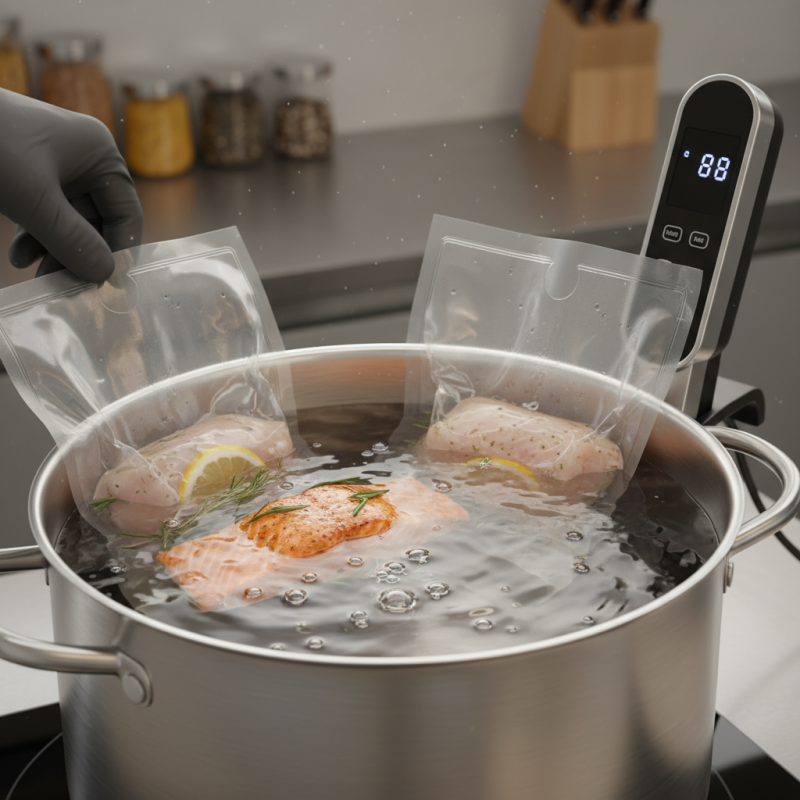
Sous Vide cooking has gained popularity for its precise temperature control and consistent results. However, many cooks debate the necessity of using Sous Vide Bags. These specialized bags are designed to withstand heat while keeping food submerged in water. They can enhance the cooking process significantly.
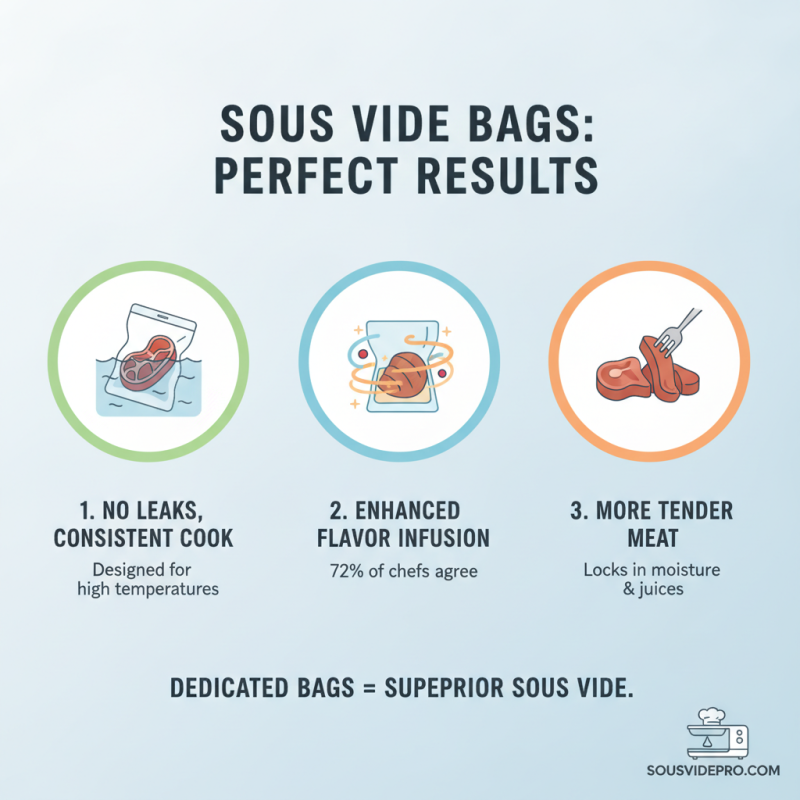
Using Sous Vide Bags can ensure your food remains sealed. This prevents water from entering and altering flavors. The right bags help achieve that perfect texture, making food tender and juicy. Yet, some argue that alternatives like resealable plastic bags can achieve similar results.
Nonetheless, selecting quality Sous Vide Bags impacts outcomes. Not all bags are created equal; some may leach chemicals. This uncertainty can make even seasoned chefs hesitate. The choice often boils down to personal preference and experience. Exploring these nuances is essential to mastering Sous Vide cooking.
What Are Sous Vide Bags and Their Purpose in Cooking?
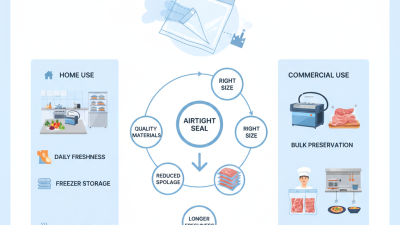
Sous vide bags are key tools in the sous vide cooking technique. These bags are designed to withstand prolonged cooking temperatures without compromising food quality. They help to create a vacuum seal, minimizing air and maximizing flavor. Using these bags allows for even heat distribution, transforming the way food cooks. This technique retains moisture and ensures that meats stay tender.
However, many home cooks wonder about their necessity. Some may experiment with regular ziplock bags or reusable containers. While these alternatives can work, they may not provide the same level of precision. Regular bags can leak, affecting water circulation and cooking results. It’s essential to consider that not all bags are created equal. The temperature resistance varies, and cheaper bags may emit harmful chemicals when heated.
Understanding the purpose of sous vide bags goes beyond mere convenience. They contribute to the overall cooking experience by allowing for controlled temperatures. This method is about achieving cooking perfection, but not everyone gets it right. Users must experiment to find what works best for their dishes. This exploration can reveal unexpected flavors and textures, making the process rewarding yet challenging.
Are Sous Vide Bags Essential for Perfect Cooking Results? - What Are Sous Vide Bags and Their Purpose in Cooking?
| Dimension |
Description |
| Material |
BPA-free polyethylene or nylon blends for safe cooking. |
| Temperature Resistance |
Can withstand temperatures ranging from 0°F to 195°F. |
| Sealing Method |
Vacuum-sealed to remove air and prevent floating. |
| Sizes Available |
Various sizes from small bags for individual portions to large for multiple servings. |
| Reusable |
Some sous vide bags are reusable, while others are single-use. |
| Purpose |
Facilitate sous vide cooking by ensuring even heat distribution and flavor infusion. |
The Benefits of Using Sous Vide Bags for Cooking Techniques
Sous vide cooking has gained popularity for its precision and control over temperatures. Using sous vide bags can significantly enhance your cooking experience. They create an airtight seal, ensuring that flavors infuse and moisture is retained during the cooking process. This can lead to more tender and flavorful results, especially with meats and vegetables.
When selecting sous vide bags, consider thickness and heat resistance. A thicker bag may handle higher temperatures better, but it can cost more. Pressure may also cause bags to leak; always double-check the seals before cooking. Using a vacuum sealer can minimize this risk.
Tip: Test a small batch first. This allows you to gauge how the flavors blend over time and how texture changes. Perfecting your sous vide technique often requires trial and error, as some foods may not respond as expected. Sometimes, you may overcook certain items, leading to unappetizing results. Don’t be discouraged; learn from these experiences and adjust your methods for better outcomes.
Alternative Cooking Bags: Are They As Effective as Sous Vide Bags?
Sous vide cooking has gained popularity worldwide. Many chefs recommend specialized sous vide bags for this technique. However, some wonder if alternative cooking bags can provide similar results. Recent studies show that the quality of the bag can influence food consistency and flavor. According to the Journal of Food Science, certain plastic bags can leach harmful chemicals when exposed to high heat.
Various types of cooking bags exist, including vacuum bags and reusable silicone pouches. While silicone bags are often cited for their eco-friendliness, they may not always create the same vacuum seal as dedicated sous vide bags. The absence of an adequate seal can lead to uneven cooking, which defeats the sous vide purpose of cooking precision.
Tips: If you choose alternative bags, check if they are freezer-safe and heat-resistant. Always avoid bags that are not BPA-free. Remember, even a slight difference in thickness can affect the cooking process. Assessing your cooking needs is crucial for achieving the best results.
How to Choose the Right Sous Vide Bags for Your Cooking Needs
When choosing sous vide bags, compatibility with your cooking method is crucial. Not all bags are created equal. Standard freezer bags might seem sufficient, but they often lack heat resistance. According to industry reports, high-quality sous vide bags can withstand temperatures up to 195°F without compromising safety or integrity. This heat tolerance is vital for effective sous vide cooking, which typically involves long cooking times at lower temperatures.
Material plays a significant role in performance. Multi-layer designs enhance durability and prevent leaks. Research indicates that bags made from BPA-free plastic provide a safer cooking environment. Additionally, a proper seal is essential. An effective vacuum seal reduces water intrusion and ensures even cooking. Inaccurate sealing can lead to uneven results.
Consider storage and ease of use when selecting bags. Reusable options might be sustainable but require careful cleaning to avoid contaminants. Disposable bags offer convenience, yet they contribute to waste. Striking a balance is important for culinary enthusiasts committed to their craft. With the right bags, you can enhance your sous vide experience, but the importance of mindful selection cannot be overstated.
Cooking Results with Different Sous Vide Bag Types
This chart shows the cooking results rated between different types of sous vide bags based on ease of use and overall effectiveness. Vacuum-sealed bags provide the best results, followed by reusable silicone bags, with standard plastic bags rated the lowest.