How to Choose the Best Food Vacuum Bag for Your Needs?
Choosing the right food vacuum bag is essential for effective food storage. With various options available, it can be overwhelming. A good food vacuum bag preserves freshness and prevents freezer burn. It also saves space and reduces waste.
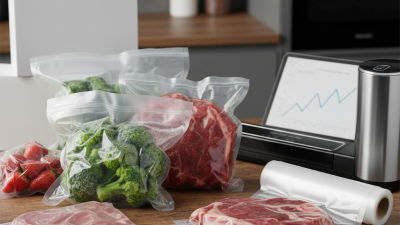
Understanding your needs is crucial. Are you storing meats, vegetables, or prepared meals? Different bags work better for specific foods. Stronger bags are ideal for heavier items like meats, while lighter bags suit delicate items like fruits. The thickness of the food vacuum bag matters too.
Consider the sealing method and size. Some bags work better with specific vacuum sealers. Ensure compatibility to avoid frustration. Remember that not all bags are created equal. Testing different types can reveal what works best for you. Adapting to your needs reflects a thoughtful approach to food preservation.
Factors to Consider When Selecting Vacuum Bags for Food Storage
When selecting vacuum bags for food storage, several factors come into play. The material of the bag is critical. Bags made from multi-layer materials provide better barrier properties, sealing in freshness and preventing freezer burn. According to a report by the Institute of Food Technologists, vacuum-sealed foods can last three to five times longer than conventional storage methods. A solid choice often features nylon or polyethylene which offers strength and durability.
Size is another crucial aspect. Depending on your storage needs, choose bags that accommodate everything from small snack portions to large cuts of meat. Some studies indicate that improperly sized bags lead to inefficient sealing, resulting in wasted food and resources. The sealing method should not be overlooked either. Heat sealing is generally more reliable compared to manual methods, ensuring an airtight environment.
It’s also worth considering the texture of the bag. Some bags come with embossed designs, which aid in the vacuum sealing process. However, not all designs are equal. Even small flaws can lead to air leaks and spoilage. It’s essential to evaluate the reliability of different bag designs based on user reviews and expert recommendations. Quality varies widely, and finding the right type requires careful thought and experimentation.
Types of Food Vacuum Bags: Chamber vs. External Vacuum Machine Bags
When considering food vacuum bags, understanding the differences between chamber bags and external vacuum machine bags is crucial. Chamber vacuum bags are thicker and typically designed for heavy-duty use. They can withstand higher pressure during the sealing process. According to a report by the Food Packaging Institute, chamber vacuum bags often provide a better barrier against moisture and oxygen, potentially extending shelf life by up to 50%.
On the other hand, external vacuum bags are more versatile. They are thinner and easier to handle. Research shows that they are popular among home users due to their affordability. However, they're not as effective as chamber bags in maintaining vacuum seal integrity over extended periods. With varying thickness ranging from 3 to 5 mils, the selection often becomes a question of routine use versus special occasion needs.
It's essential to consider the purpose of sealing. For long-term storage, thicker chamber vacuum bags may offer better protection. However, for occasional use, external bags could suffice. The choice ultimately hinges on individual needs, financial considerations, and how often the vacuum sealing will occur. Many users find themselves questioning these preferences after initial purchases, leading to deeper considerations of their long-term food storage goals.
Understanding Material Thickness and Barrier Properties in Vacuum Bags
When selecting a food vacuum bag, understanding material thickness is crucial. Thicker bags typically offer better insulation and durability. They resist punctures and tears, ensuring a longer shelf life for your food. A thickness of 3 to 6 mils is common for household use. However, overly thick bags might limit flexibility, so finding the right balance is vital.
The barrier properties of vacuum bags also play a significant role. These properties, which include oxygen and moisture barrier levels, determine how well bags preserve food. High barrier bags can protect food from freezer burn and spoilage. It's essential to consider the type of food being stored; moist items need bags with stronger barriers. Yet, bags with high barrier properties can sometimes lead to increased costs.
Reflecting on your specific needs can guide you in this selection process. Think about the types of food you often store. Do you need to vacuum seal frequently? Understand your priorities. Are you after longevity, or is cost a consideration? Each choice requires weighing benefits against potential drawbacks. The right vacuum bag can enhance your food storage experience, but it’s important to assess your preferences.
Seal Quality: Implications for Vacuum Bag Longevity and Food Preservation
Choosing the right food vacuum bag involves understanding seal quality. The effectiveness of a seal plays a crucial role in food preservation. Poor sealing can lead to spoilage, affecting both taste and safety. A well-sealed bag prevents air from entering, which is essential for extending shelf life. Factors like material and thickness influence the quality of the seal.
One must consider the implications of various sealing techniques. Heat seals are common but may vary in durability. Some bags might not withstand high or low temperatures well. This can lead to punctures, leaks, and ultimately wasted food. As a user, it's important to test a few options to identify which ones consistently perform better.
Longevity is tied to the proper use of bags. Improper storage or overfilling can compromise seals. It's worth reflecting on how often one experiences issues with bag integrity. Regularly assessing performance helps in making informed choices. High-quality vacuum bags tend to be a worthwhile investment for any kitchen.
Cost-Effectiveness: Evaluating Price Versus Quality in Vacuum Bag Purchases
When evaluating vacuum bags for food preservation, understanding the cost-effectiveness is crucial. According to a study published by the U.S. Department of Agriculture, effective vacuum sealing can extend the shelf life of food by 1 to 2 years. However, the quality of bags varies widely across different price ranges.
Cheap vacuum bags may seem appealing, but they often lack the durability and strength required for proper sealing. Reports indicate that 40% of lower-end bags lose their seal within a few months, risking food quality and safety.
Investing in higher-quality vacuum bags may come with a higher initial cost. Yet, they often provide better protection against moisture and air, resulting in long-term savings. A recent market analysis showed that consumers who opt for mid-range to premium vacuum bags experience a 25% longer food freshness period. This not only translates to less food waste but also contributes to overall cost-effectiveness.
Some consumers may prioritize price over quality and end up with disappointing results. The hidden costs of frequent replacements and potential food spoilage can accumulate quickly. Reflecting on these factors can lead to better purchasing decisions. Opting for quality over sheer price can pay off in more ways than one.