Best Food Sealer Bags for Freshness How to Choose?
Choosing the right food sealer bags is crucial for preserving freshness and flavor. The market offers numerous options, making the decision challenging. Selecting high-quality food sealer bags can extend the shelf life of your food significantly.
These bags create an airtight seal, preventing moisture and air from spoiling your items. When planning meals, proper storage is vital. You want every ingredient to taste its best. Not all food sealer bags are the same. Some may not withstand freezer conditions or high temperatures. Quality matters.
It's important to reflect on your specific needs. Are you sealing large cuts of meat, or are you more focused on snacks? Understanding your requirements can lead to better choices. Take your time exploring different brands and reading reviews. The right food sealer bags can enhance your cooking and food storage experience.
Understanding Food Sealer Bags: Types and Materials Used
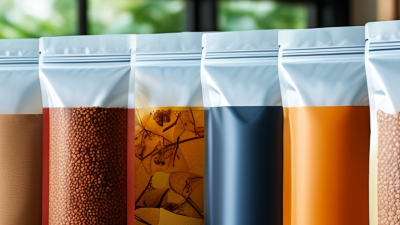
Choosing the right food sealer bags can dramatically affect food preservation. Understanding the types and materials used is essential. The most common materials are polyethylene (PE) and nylon. PE bags are great for dry foods, while nylon offers better oxygen barriers, ideal for moist items. A 2021 industry report showed that bags with multilayer construction can extend shelf life by up to five times.
Different types of bags suit various needs. For example, vacuum-sealable bags prevent freezer burn, making them popular among home chefs. Alternatively, heat-sealable bags provide a cost-effective option for bulk storage. Interestingly, a survey revealed that 57% of users prefer using bags with embossed textures. These textures enhance air removal, ensuring a tighter seal.
Despite the advancements in materials, challenges remain. Not all bags perform equally under different conditions. Some may not withstand high temperatures, leading to potential melting. It's crucial to assess each bag's specifications carefully. Awareness of these nuances helps ensure better food storage decisions.
Factors to Consider When Choosing Food Sealer Bags
Choosing the right food sealer bags is crucial for maintaining food freshness. One vital factor is the bag material. Look for bags designed to withstand varying temperatures. Thicker bags often provide better protection against tears and punctures. Look for options that are BPA-free, ensuring safety for your food.
Tip: When sealing liquid-rich foods, opt for bags that are specifically designed for liquids. These bags often have a barrier that prevents leaks. Consider how much air is removed during vacuum sealing. Less air helps prevent freezer burn and food spoilage.
Another aspect to reflect on is the size of the bags. Different foods require different sizes. A bag too small can crush delicate items, while a bag too large can waste space. Mistakes happen when underestimating the right size. It’s essential to measure your food portions accurately before sealing.
Tip: Experiment with sizes by sealing a few test packages. You might find that your initial choice needs adjustment. The goal is to create the best environment for your food.
Best Food Sealer Bags for Freshness
This chart illustrates the effectiveness of different types of food sealer bags in preserving freshness. The data is measured in terms of days of freshness maintained for various food items.
Comparing Vacuum Sealer Bags vs. Traditional Storage Bags
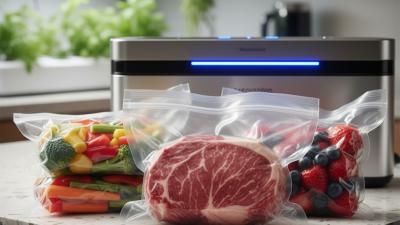
When it comes to food storage, the choice between vacuum sealer bags and traditional storage bags is crucial for maintaining freshness. Vacuum sealer bags remove air, which helps reduce oxidation. Studies show that vacuum-sealed food can last 3-5 times longer than food stored in traditional bags. This can be critical for perishable items, like meats and vegetables.
Traditional storage bags, while convenient, allow for air exposure. This leads to quicker spoilage and freezer burn, especially in items like bread and frozen dinners. Research indicates that food stored in conventional bags has a shelf life of just weeks compared to months with vacuum-sealed methods.
However, vacuum sealing is not always perfect. A need for a vacuum machine is a hassle for some. Also, improper sealing can create gaps that allow air in. Not every food item is suitable for vacuum sealing. Foods with high moisture can lead to compromised seals. Weighing the pros and cons is essential.
Best Practices for Using Food Sealer Bags for Freshness
When using food sealer bags, following best practices is crucial for maintaining freshness. Proper sealing techniques can prevent spoilage and extend the shelf life of your food. Start by ensuring the bags are clean and dry. Any residue might compromise the seal. Fill the bags only to about two-thirds full. Overpacking can lead to air being trapped, which affects sealing.
Tips for effective sealing: Always use bags designed for your sealer. This prevents issues with imperfect seals that allow air to enter. A quick vacuum check can confirm a proper seal. If the bag isn’t firmly sealed, redoing it can save your food from spoilage.
Consider the food type as well. Moist foods require different bags than dry items. If you’re sealing liquids, use specialized bags that prevent leakage. Remember that not all foods last the same, so adjust your storage times accordingly. Sometimes trying a few different methods will lead to better results. Stay attentive to the condition of your food and your sealing technique for the best outcomes.
Top Brands and Recommendations for Food Sealer Bags
When choosing the best food sealer bags, it’s essential to focus on quality and durability. Consider bags made from multi-layer materials. These not only prevent air from entering but also resist punctures. Look for bags that are compatible with various vacuum sealers. Some bags can withstand heat well, making them suitable for sous-vide cooking.
A good sealer bag should feel sturdy yet flexible. Pay attention to the thickness, often measured in microns. Thicker bags are generally better for long-term storage. However, don’t overlook user reviews. Many users share insights about how bags perform under different conditions. Some bags may not seal properly if the food's moisture content is high. Testing different brands can enhance your sealing experience.
It’s also wise to consider eco-friendly options. While they may cost more, these bags contribute to environmental sustainability. Think about using reusable models; they can reduce waste significantly. Remember, a reliable food sealer bag can make a difference in food preservation and overall satisfaction. Reflecting on your experiences with different bags helps refine your choice over time.
Best Food Sealer Bags for Freshness - Comparison Table
| Size |
Material |
Thickness (Microns) |
Heat Sealable |
Freezer Safe |
Recommended For |
| 8” x 12” |
Nylon/Polyethylene |
90 |
Yes |
Yes |
Meats, Vegetables |
| 11” x 16” |
Nylon/Polyethylene |
120 |
Yes |
Yes |
Fish, Large Cuts of Meat |
| 6” x 10” |
Plastic |
80 |
Yes |
Yes |
Snacks, Small Portions |
| 12” x 18” |
Heavy-Duty |
150 |
Yes |
Yes |
Sous Vide Cooking |
| 10” x 13” |
Multi-layer |
100 |
Yes |
Yes |
Vegetables, Marinated Food |