How to Choose the Best Chamber Sealer Bags for Your Needs?
Choosing the right Chamber Sealer Bags is crucial for effective food preservation. With various options available, how do you make the best choice? Different types of bags can impact the sealing process and overall freshness.
When selecting Chamber Sealer Bags, consider factors like material and thickness. Some bags are designed for vacuum sealing delicate items. Others are better suited for heavy-duty use. It’s not just about choosing any bag; it’s about how those bags fit your specific needs.
Many users overlook this aspect and end up with bags that don't seal properly. This can lead to spoilage and waste. Reflecting on your actual usage will help you identify the ideal bag. With careful selection, you can enhance your food storage practices significantly.
Understanding Different Types of Chamber Sealer Bags Available
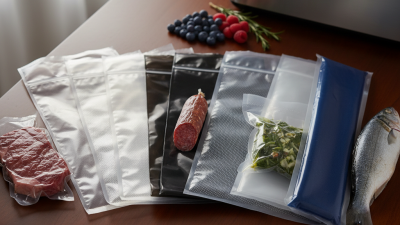
When selecting chamber sealer bags, understanding the different types in the market is essential. Chamber sealer bags primarily come in three variations: textured, smooth, and heavy-duty. Textured bags are ideal for moisture-rich foods. They provide excellent sealing and storage. Smooth bags, on the other hand, are suitable for items where appearance matters. They offer clarity but may not seal as well for liquids.
According to industry reports, heavy-duty bags have seen a 30% increase in usage over the past five years. They are thicker, making them ideal for long-term storage. These bags withstand punctures and tears better than standard options. For those engaged in sous vide cooking, heavy-duty bags can withstand higher temperatures. However, users must note that not all these bags are compatible with all chamber sealers.
Buying chamber sealer bags requires consideration of food types and storage needs. Awareness of gauge thickness is vital, as it impacts durability. A thicker bag often means heightened reliability, yet it might be less flexible. Some users may find their choice of bag didn't meet their expectations during storage trials. Avoiding common pitfalls is important. Relying solely on one type can lead to complications when vacuum sealing certain foods.
How to Choose the Best Chamber Sealer Bags for Your Needs? - Understanding Different Types of Chamber Sealer Bags Available
| Bag Type |
Material |
Thickness (mil) |
Suitable for (Food Type) |
Freezer Safe |
| Standard Chamber Bags |
Nylon |
3-4 |
Meat, Vegetables |
Yes |
| Heavy-Duty Bags |
Polyethylene |
6-8 |
Fish, Poultry |
Yes |
| Microwave-Safe Bags |
Polypropylene |
4-5 |
Soups, Stews |
Yes |
| Sous Vide Bags |
Nylon/PE |
5-6 |
Vegetables, Meats |
Yes |
| Reusable Bags |
Silicone |
Varies |
Various Foods |
Yes |
Factors to Consider When Selecting Chamber Sealer Bags
Choosing the right chamber sealer bags is essential for effective food storage. When selecting these bags, consider the material's thickness and texture. Thicker bags provide better puncture resistance. On the other hand, textured surfaces help enhance the vacuum seal. Look for bags designed specifically for chamber sealers, as they tend to perform better.
Another critical factor is the size of the bags. Make sure they fit your food items well. Using bags that are too big may waste material and lead to ineffective sealing. Additionally, evaluate the compatibility of the bags with your specific machine. Not all bags work with every chamber sealer. It can be frustrating to find out after purchase that the bags don't fit.
Price is often a concern, but do not compromise quality for savings. Cheap bags may not provide reliable seals. This could lead to spoilage of food. Investing in high-quality bags can save you money in the long run. It's vital to strike a balance between cost and quality to ensure your food stays fresh longer. Consider these factors carefully, and reflect on how they align with your specific needs.
Factors to Consider When Selecting Chamber Sealer Bags
This bar chart illustrates the importance of various factors when choosing chamber sealer bags, including Material Quality, Thickness, Size Variety, Seal Integrity, and Price.
Evaluating Material Quality and Durability of Sealer Bags
When selecting chamber sealer bags, evaluating material quality and durability is critical. The effectiveness of these bags directly influences food preservation and shelf life. Various studies indicate that bags made from multi-layered materials significantly outperform single-layer alternatives. For instance, bags with a nylon-polyethylene layer exhibit superior air barrier properties, reducing oxygen transfer by up to 80%. This increase in durability helps retain moisture and flavor in food products.
The sealing process also stresses the importance of puncture resistance. Research suggests that bags designed using thicker materials provide better protection against tears. Instances of leaks can occur if thin bags are overused or mishandled, leading to spoilage. A report from the Food Packaging Institute noted that proper material choices can extend the usable life of frozen goods by several months. However, while thicker bags may ensure better performance, they can also be less flexible, which could limit their usability.
It is important to be aware of how varying plastics react under different conditions. For example, some materials degrade over time, leading to contamination. This issue raises questions about long-term storage solutions. Choosing the right chamber sealer bags is not just about thickness; it’s also about understanding the trade-offs involved. There’s always room for improvement when ensuring quality and reliability in food storage solutions.
Assessing Seal Strength and Performance for Your Needs
When selecting chamber sealer bags, assessing seal strength and performance is crucial. Seal strength determines how well the bag keeps food fresh. A bag with a weak seal can lead to air leaks, which spoil your food faster. Testing the seal can involve simple methods. Try sealing water in a bag and see if it holds without leaking. If it fails, rethink your choice.
Performance is another key factor. Some bags handle high temperatures better than others. This is important when you want to sous vide your food. Look for bags that maintain their integrity under heat. Also, consider the material. Thicker materials often provide better protection against punctures. However, this might affect the ease of sealing.
It’s worth noting that not all bags are created equal. You may find some bags perform well initially but degrade over time. Pay attention to reviews and user feedback on longevity. Not every bag will meet your needs perfectly. Identify what matters most to you: durability, temperature tolerance, or perhaps ease of use. This approach creates a more personalized experience. You may need to try several options before finding the ideal choice.
Cost-Effectiveness and Brand Reputation in Choosing Sealer Bags
When selecting chamber sealer bags, cost-effectiveness is crucial. According to industry reports, the price difference between low-cost and high-quality bags can be significant. For instance, cheaper bags may seem appealing but often compromise on durability and seal integrity. Research indicates that high-quality bags can preserve food up to five times longer than low-cost options. This means investing in better bags can save money in the long run by reducing food waste.
Brand reputation also plays a vital role when choosing sealer bags. The Vacuum Packaging Association notes that established brands typically adhere to strict quality standards. Consumers often trust brands with positive reviews and proven track records. A survey reveals that 78% of users prefer brands recognized for reliability and performance. When exploring options, checking third-party evaluations enhances trust. Despite the temptation to choose cheaper options, relying on reputable brands can lead to better overall satisfaction and longer product lifespan.