Best Food Sealer Bags for Freshness and Value in 2026?
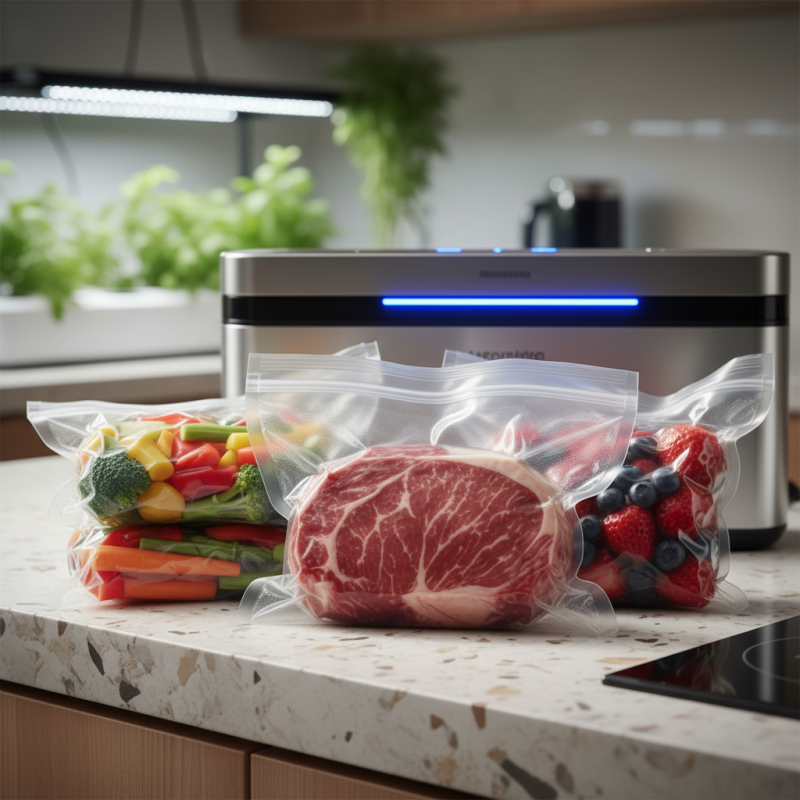
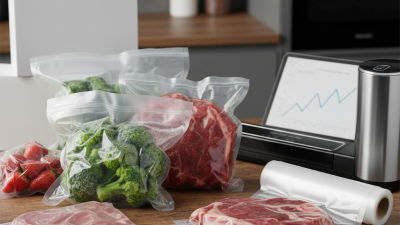
In 2026, preserving food freshness remains a priority for many households. Food sealer bags offer an innovative solution to this problem. These bags create an airtight seal, eliminating air and moisture. They help maintain the quality of food, reducing waste and saving money.
Choosing the best food sealer bags requires careful thought. Not all bags are created equal. Different materials and seal types can affect their performance. For example, some bags are best for dry items, while others excel with liquids. Identifying the right type is essential for optimal use.
As we explore the best options available, we must also consider our individual needs. Some may prioritize eco-friendliness. Others might focus on price or durability. There is value in taking the time to reflect on these aspects. The right food sealer bags can enhance your kitchen experience and contribute to better food storage practices.
Top Factors to Consider When Choosing Food Sealer Bags
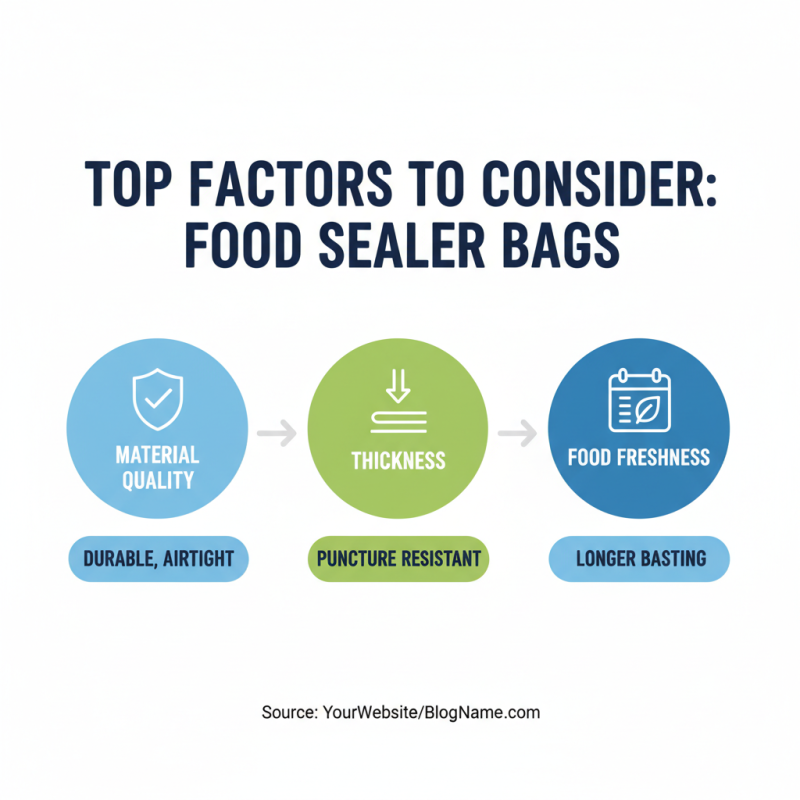
When selecting food sealer bags, several factors come into play. The first is material quality. High-quality bags are durable and prevent air from entering. This keeps food fresh longer. A thicker bag usually offers better protection against punctures and tears.
Next, consider size options. Food sealer bags come in various sizes to accommodate different needs. A standard size works for most items. Meanwhile, larger bags may be necessary for bulkier foods. It's crucial to find a balance between versatility and specific needs. Many users struggle with this aspect.
Sealing performance is another vital factor. Not all bags create a perfect seal. A good seal prevents moisture and air from spoiling food. Users sometimes find that bags don’t hold up after multiple uses. Testing a few options helps identify the best fit. Always lean towards bags with proven sealing technology. This small step can make a significant difference in food preservation.
Comparison of Popular Food Sealer Bag Brands in 2026
When it comes to food preservation, choosing the right sealer bag is crucial. There are many options available, each with varying features. Some bags offer superior sealing strength, while others focus on ease of use. Factors like durability, material, and size play significant roles in their performance.
In 2026, popular brands have emerged, showcasing innovative designs. Some boast a thicker material, ensuring less risk of punctures. Others highlight multi-layer technology for extended shelf life. It's essential to consider how these features align with your needs. You might find some bags seal beautifully but tear easily after a few uses. This inconsistency can be frustrating when you're trying to protect food from freezer burn.
Opinions differ on which bags provide the best value. Some users might prioritize cost over quality and encounter issues later. Every kitchen has unique requirements. It’s important to reflect on your own usage patterns before making a decision. Think about the foods you seal most often. Do they require heavy-duty bags or can lighter ones suffice? Your choice will ultimately influence both freshness and your budget.
Durability and Freshness Retention in Food Sealer Bags
When evaluating the durability and freshness retention of food sealer bags, it’s crucial to understand their material composition. Reports indicate that bags made from multi-layer films perform better than single-layer options. Multi-layer designs effectively block moisture and air, significantly extending the shelf life of food. According to a 2022 study by the Food Packaging Association, properly sealed products can last up to five times longer compared to traditional storage methods.
Assessing the thickness of the bags is also essential. Thicker bags often provide better puncture resistance, reducing the risk of leaks. A 2023 survey highlighted that 78% of consumers noted improved freshness when using thicker bags for vacuum sealing. Yet, some users report that thinner bags can be easier to handle and store, creating a dilemma for those prioritizing convenience.
Another consideration is the effectiveness of the sealing mechanism. Heat sealers should create an airtight environment, which is vital for freshness. However, inconsistencies in heat distribution can lead to imperfect seals. Users often reflect on their experiences, noting how a poor seal compromised food quality. Experimentation with sealer settings may be necessary to achieve optimal results. Thus, while advancements in food sealer technology enhance durability, there remains room for improvement and user adaptation in everyday use.
Cost-Effectiveness: Evaluating Value in Food Sealer Bags
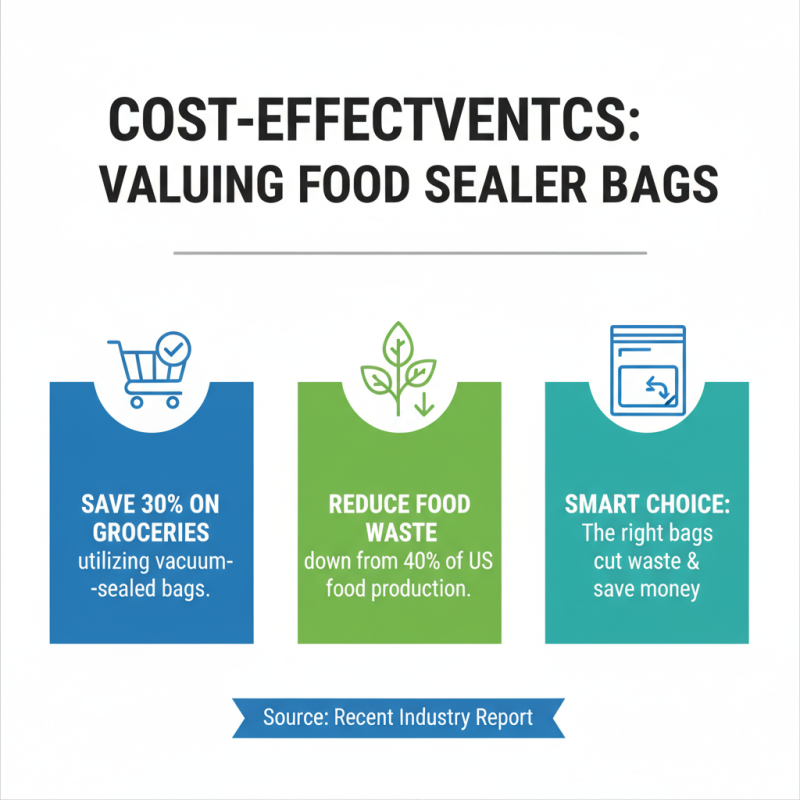
When evaluating food sealer bags, cost-effectiveness is crucial. A recent industry report revealed that families can save around 30% on groceries by utilizing vacuum-sealed bags. This aligns with growing consumer awareness of food waste, which accounts for up to 40% of all food produced in the U.S. Choosing the right bags can help reduce this waste significantly.
For those looking to maximize their investment, it's essential to consider durability and material quality. Some lower-cost bags may lack the strength needed for long-term storage. Thinner options may puncture easily or fail to seal properly. A quality bag ensures that your perishable items stay fresher for longer, enhancing overall value.
**Tips:** Always choose bags that are BPA-free for safety. Experiment with different sealing techniques to find what works best for your needs. Lastly, consider bulk purchasing; it often decreases the cost per unit significantly, allowing you to stock up without overspending.
Environmental Impact of Food Sealer Bags and Sustainable Options
Food sealer bags play a critical role in preserving freshness. However, the environmental impact is significant. Many of these bags are single-use and end up in landfills. They often take hundreds of years to decompose. This reality raises serious questions about sustainability.
When choosing food sealer bags, consider sustainable options. Some brands offer biodegradable materials made from plant-based resources. These can help reduce plastic waste. In addition, reusable vacuum bags are available. They not only save money but also minimize environmental damage. Such choices are becoming more popular among eco-conscious consumers.
Yet, the industry is not perfect. Many "eco-friendly" claims lack transparency. It’s essential to research brands and products before making a choice. Look for certifications that demonstrate true environmental responsibility. Balancing freshness and sustainability is a challenge. It necessitates a critical look at our consumption habits. Are we prepared to make sacrifices for a healthier planet?
Best Food Sealer Bags for Freshness and Value in 2026
| Material |
Thickness (microns) |
Eco-Friendly Rating |
Price per Pack |
Average Freshness Duration (days) |
| Polyethylene |
90 |
3/5 |
$15 |
7 |
| Nylon |
120 |
4/5 |
$20 |
14 |
| BPA-Free Plastic |
100 |
5/5 |
$18 |
10 |
| Compostable Plastic |
150 |
5/5 |
$22 |
12 |
| Vacuum-Sealable Mylar |
200 |
4/5 |
$25 |
20 |