Why You Should Choose Sous Vide Bags for Perfect Cooking Results?
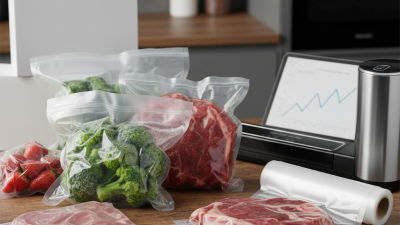
Sous vide cooking has transformed the culinary world, offering precision and perfection. Experts like Chef Thomas Keller have emphasized, “Using the right tools, like Sous Vide Bags, can elevate your cooking.” These bags are specially designed to withstand the low-temperature sous vide process. They ensure that food is sealed properly, preventing leaks and retaining moisture.
When cooking with sous vide, the choice of bags is crucial. Sous Vide Bags enable even heating and enhance the infusion of flavors. Many people underestimate the impact of quality bags. Cheap alternatives can break or leak, ruining your meal. It's essential to consider the quality of materials used.
Incorporating Sous Vide Bags may seem simple, yet they require careful selection. Not all bags are made equal. Some may release harmful chemicals when heated. Choosing high-quality, food-grade materials ensures safety and excellence in results. This decision is an important step for any serious home cook or chef.
Benefits of Using Sous Vide Bags for Cooking Precision
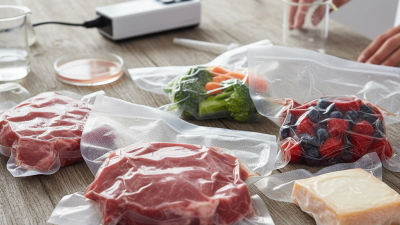
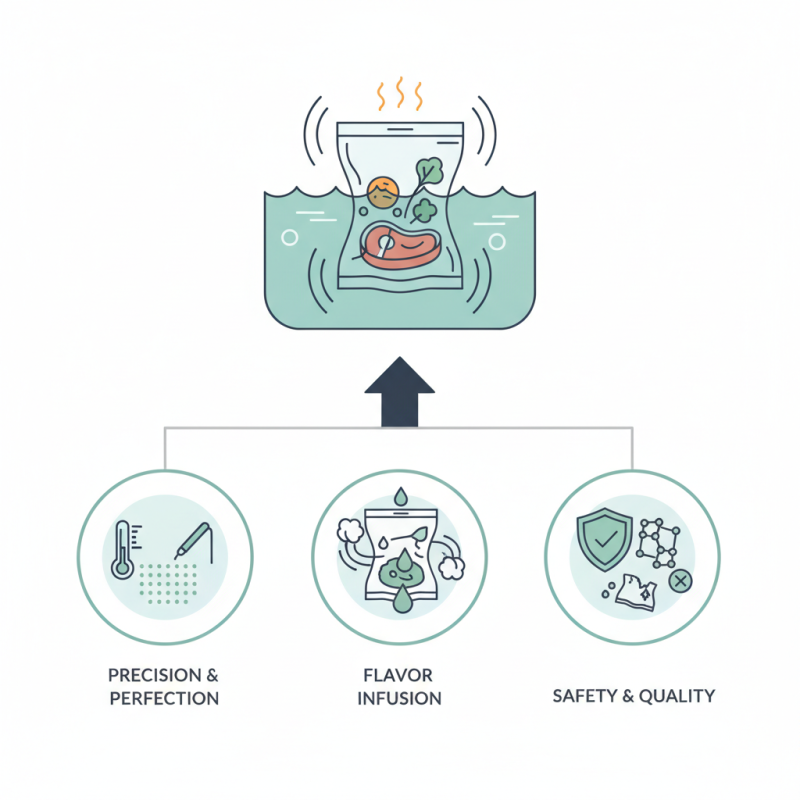
Sous vide bags are essential for achieving precise cooking results. These bags are specially designed to withstand the cooking process while ensuring optimal heat distribution. They can maintain the temperature of the water bath, making it easier to achieve the desired doneness for meats, vegetables, and even desserts. The vacuum seal helps to intensify flavors, trapping seasonings and juices inside, leading to a more flavorful dish.
When using sous vide bags, there are a few tips to keep in mind. Ensure that your food is cut uniformly for even cooking. Thick pieces may require more time, leading to potential overcooking on the thinner parts. Additionally, always check for leaks before submerging the bags in the water bath. A leak can compromise the cooking process, leading to less-than-perfect results.
It’s important to consider food safety when using sous vide bags. Make sure to preheat the water bath before sealing your ingredients inside. This helps prevent the growth of harmful bacteria. Not all bags are created equal; using high-quality, food-safe bags is vital. Pay close attention to the materials used to avoid potential contamination and ensure a safe cooking environment.
Understanding the Materials and Design of Sous Vide Bags
Sous vide cooking has gained popularity for its ability to deliver precise and repeatable results. The choice of sous vide bags is crucial for the overall cooking experience. These bags are typically made from polyethylene or nylon, ensuring they can withstand the low temperatures and prolonged cooking times. High-quality materials prevent leaching, which is vital for food safety.
Choosing the right bag can be tricky. Not all bags are created equal. Some may not be durable enough and could burst during the cooking process. Look for reinforced seams and reliable closures. Thicker bags can better prevent water from seeping in.
Tips: Always check the bag's temperature rating. It should safely handle the heat for the duration of your cooking. Avoid cheap alternatives that may compromise your meal. If the seal isn’t perfect, you risk ruining your dish. Experiment with various bag types, but be cautious and take notes on what works best for your preferred cooking methods.
Comparing Sous Vide Bags to Other Cooking Methods
Sous vide cooking is gaining popularity for its precision and ease. Compared to traditional methods, it offers unique advantages. With sous vide, food is vacuum-sealed in bags, which helps maintain moisture and flavor. This is a stark contrast to grilling or frying, where ingredients can easily dry out. Many home cooks find that sous vide provides more consistent results.
However, using sous vide bags does come with a learning curve. Beginners might struggle with timing and temperature settings. Overcooking food in sous vide is hard, but it's not impossible. Also, some may find the initial investment daunting. They might ask whether the benefits are worth it.
Sous vide allows the chef complete control over the cooking process. This level of precision is hard to achieve with methods like boiling or stovetop cooking. Sous vide bags also simplify meal preparation, letting you cook in bulk. Yet, some argue that the texture of sous vide food may lack the char or crispness found in other cooking techniques. Balancing these characteristics can lead to better, more enjoyable meals.
Why You Should Choose Sous Vide Bags for Perfect Cooking Results
This chart compares the average satisfaction ratings of different cooking methods, highlighting the advantages of using sous vide bags.
Tips for Properly Using Sous Vide Bags for Optimal Results
Sous vide cooking has gained popularity for its precision and consistency. Choosing the right sous vide bags can enhance your cooking experience. To achieve optimal results, it's crucial to select bags that can withstand heat and prevent water from seeping in. High-quality bags will protect ingredients, ensuring even cooking and retaining moisture.
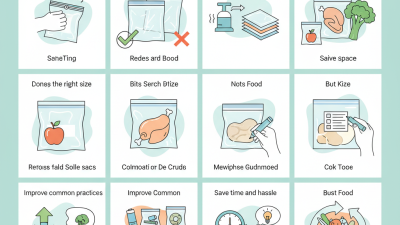
Properly using sous vide bags involves some key practices. Start by removing as much air as possible before sealing. Vacuum sealing works best, but you can also use the water displacement method. Avoid overpacking the bags. When tightly packed, food won’t cook evenly. Consider using clip holders to keep the bags submerged in water during cooking.
Monitoring the temperature and adjusting cooking times is essential. Different proteins require different cooking times for the best texture. Keep in mind that the thickness of the food affects cooking duration. Experimenting with various recipes is important, but mistakes may occur. Learning from these missteps helps you refine your techniques over time. Trusting the process will ultimately lead to mastering sous vide cooking.
Maintenance and Care for Longevity of Sous Vide Bags
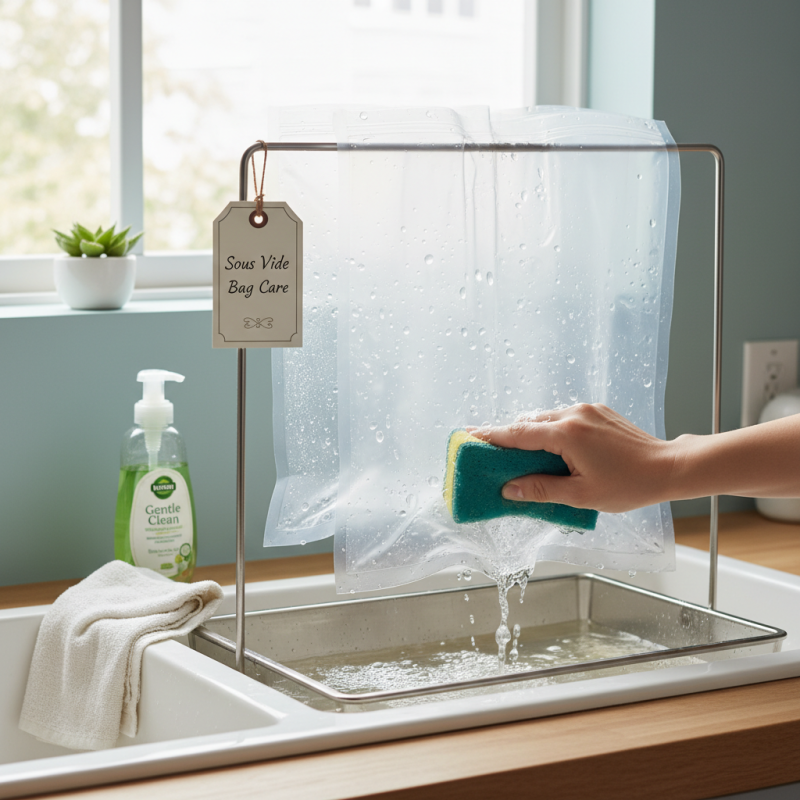
Sous vide cooking offers precision and consistency, but the quality of your bags matters. Proper maintenance is crucial for maximizing the lifespan of these bags. Cleaning your sous vide bags can be simple, yet many overlook it. After use, rinse the bags promptly with warm, soapy water. Allow them to air dry completely before storing. Neglecting to clean or dry can lead to odors or bacteria growth, affecting both safety and flavor.
Some studies indicate that well-maintained sous vide bags can last for several uses without degradation. According to food safety data, improper bag storage can lead to contamination risks. It's advisable to inspect bags for any signs of wear or punctures before each use. If you discover any imperfections, replacing the bag is a wise decision. While many enjoy sous vide for its ease, failure to care for the bags can diminish your cooking experience.
Temperature is another critical factor. Sous vide bags are designed to withstand specific heat levels. Research shows that repeatedly exposing bags to temperatures beyond their limit can shorten their durability. Stick to manufacturer guidelines to ensure safety and longevity. Over time, even sturdy bags may need replacement due to unseen micro-tears. Regularly evaluate the condition of your bags to ensure they remain effective in delivering perfect cooking results.