2026 How to Choose the Best Vacuum Freezer Bags for Food Storage?
When it comes to food storage, the choice of Vacuum Freezer Bags is crucial. Proper bags can enhance the longevity and freshness of your food. With so many options available, selecting the best can be overwhelming.
Vacuum Freezer Bags come in various sizes and materials. Not all bags are created equal. Some may not seal properly, leading to freezer burn. It’s important to analyze your needs. Consider what types of food you often freeze and how much space you have. Durability and thickness matter. Thinner bags might tear easily, while sturdier options can protect your food better.
Furthermore, brand reputation plays a significant role. Trusted brands usually provide better quality. However, it may take time to find what works best for you. Reviews can help, but personal experiences vary greatly. Consider trying multiple options to discover the right fit for your kitchen. The right Vacuum Freezer Bags can make a difference, but the process of finding them may require patience and experimentation.
Understanding Vacuum Freezer Bags and Their Benefits
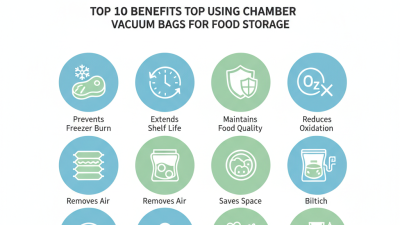
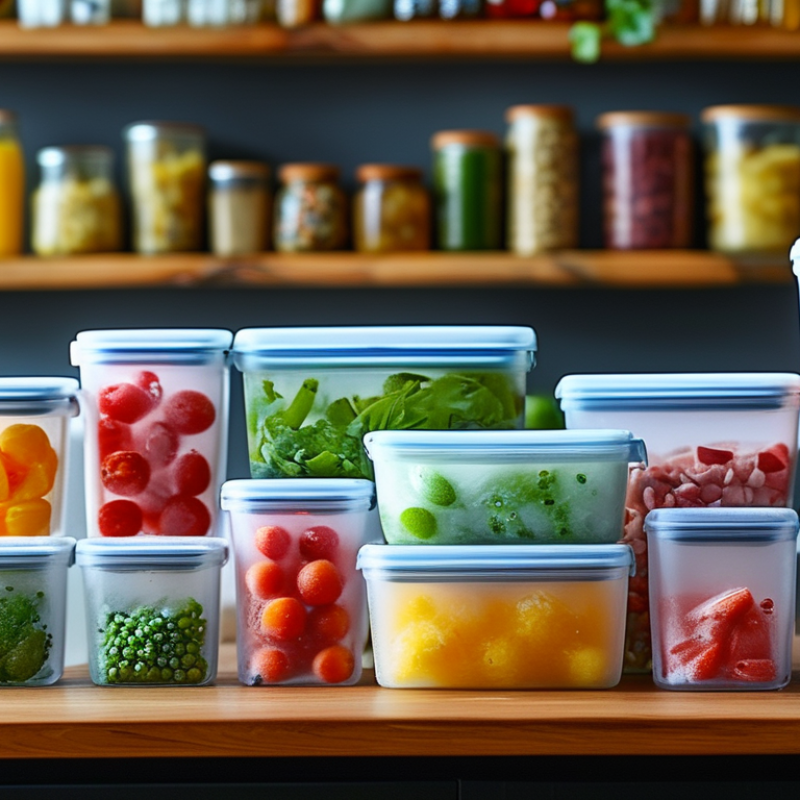
Vacuum freezer bags are essential for long-term food storage. They help prevent freezer burn and maintain flavor. These bags are designed to create a tight seal around your food, minimizing air exposure. This technology is beneficial for preserving meats, fruits, and vegetables. Using vacuum bags can extend the shelf life of your groceries.
Understanding their benefits goes beyond just convenience. Vacuum freezer bags can save you money by reducing food waste. They are great for meal prepping, allowing you to portion out servings in advance. However, not all bags are created equal. Inexpensive options may not seal properly, leading to possible spoilage. It’s worth investing time in selecting the right bags.
It’s important to note that some users face challenges with vacuum bags. Issues like punctures can occur, especially with sharp food items. It’s advisable to carefully handle and store the bags to minimize wear and tear. Experimenting with different types can provide insights into what works best for your kitchen. Every choice in food storage affects quality, so make it count.
2026 How to Choose the Best Vacuum Freezer Bags for Food Storage?
This chart displays key features to consider when choosing vacuum freezer bags for food storage. The five dimensions include the material quality, thickness in mil, capacity in liters, seal quality, and overall durability, which are important for ensuring food preservation and safety.
Key Features to Look for in Vacuum Freezer Bags
When selecting vacuum freezer bags, several key features should guide your decision. First, consider the thickness of the material. Thicker bags are typically more durable and better at preventing freezer burn. They protect food from air exposure, which can lead to spoilage. Look for bags that mention multi-layer technology. This technology often enhances the barrier against moisture and air.
Next, pay attention to the sealing mechanism. A strong seal is crucial for maintaining food freshness. Vacuum bags with textured surfaces can improve air removal during sealing. This creates a tight fit around the food, further preserving it. You might find that some bags claim to be reusable. While this is appealing, always assess their durability after multiple uses.
Lastly, compatibility with vacuum machines is important. Some bags work better with specific vacuum sealers. If you own a machine, check recommendations. This will ensure optimal performance. It may also save you from unexpected issues later. Choosing the right bag can positively impact your food storage experience.
Comparing Different Materials Used in Vacuum Freezer Bags
When selecting vacuum freezer bags, understanding the materials involved is crucial. Common options include nylon, polyethylene, and mylar. According to a study by the Packaging Technology and Science Journal, nylon bags offer excellent barrier properties. They can significantly reduce moisture transfer, extending the food's shelf life. However, nylon is often more expensive and less biodegradable compared to other materials.
Polyethylene bags are another popular choice due to their affordability. They provide fair protection against moisture but lack the high barrier properties of nylon. As per data from the Food Packaging Association, about 80% of consumers prefer polyethylene for short-term food storage. Yet, their effectiveness diminishes with long-term freezing.
On the other hand, mylar bags are notable for their light and oxygen barriers. They are suitable for long-term storage of dry foods. However, mylar can be rigid and may not conform well to the food's shape. This feature can lead to wasted space in the freezer. Balancing cost, durability, and environmental impact can be challenging. Consider your specific needs before making a choice.
Best Practices for Using Vacuum Freezer Bags for Food Storage
Vacuum freezer bags are essential for preserving food. They prevent freezer burn and extend shelf life. To use them effectively, start by choosing the right bag size for your items. Smaller bags work well for single servings, while larger ones are suited for bulk items. Try to remove as much air as possible before sealing. This helps maintain food quality.
When filling the bags, avoid overstuffing. This can make sealing difficult and may lead to air pockets, which affect preservation. It’s useful to label each bag with contents and date. This practice can prevent confusion later and help you keep track of freshness.
Be mindful of the foods you freeze. Some items do not store well, even in vacuum bags. For instance, high-moisture vegetables can become mushy after thawing. It’s important to blanch them first. Experiment with different foods to see what works best for your needs. Storing food properly requires attention, but the effort pays off with delicious meals later.
Tips for Properly Sealing and Storing Foods in Vacuum Bags
When sealing foods in vacuum bags, creating an airtight seal is essential. Make sure the bag is clean and dry before placing the food inside. This helps prevent contamination. After filling, secure the edge of the bag to remove air effectively. Moist foods may require special care to avoid liquid being sucked into the vacuum sealer. Use a separator, such as a paper towel, to keep liquids at bay.
Ensure the vacuum sealer is properly calibrated. Improper settings can lead to inadequate sealing. Take the time to check the machine before starting. Additionally, remember to label bags with dates and contents. This simple step can save you from confusion later. Proper organization keeps your freezer neat and makes meal prep easier.
Reflect on your storage methods over time. It’s easy to overlook details in busy lives. Sometimes, bags may not seal correctly or food may get freezer burn. These moments are opportunities to learn. Adjust your techniques as needed. Over time, you will develop a reliable system that preserves food freshness effectively.