China Best Vacuum Packaging Film Benefits and Applications Explained?
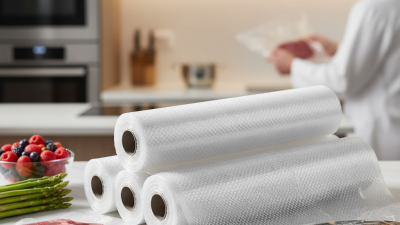
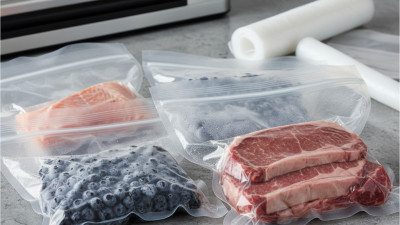
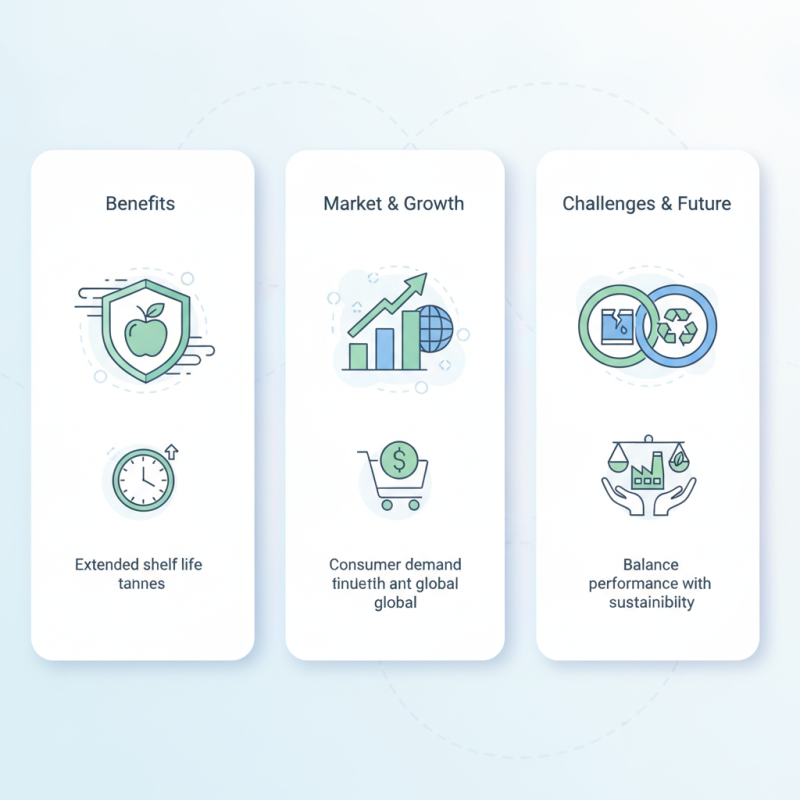
Vacuum Packaging Film plays a crucial role in preserving food and extending shelf life. The global vacuum packaging market is projected to reach $32.1 billion by 2027, driven by rising consumer demand for convenience and sustainable packaging solutions. This film is designed to create a tight seal that removes air, preventing spoilage and contamination.
In the food industry, over 60% of packaged products benefit from vacuum sealing. This process helps maintain freshness and flavor, which is essential for consumer satisfaction. However, the effectiveness of Vacuum Packaging Film can vary based on materials and technology used. Some films are not as durable, leading to potential leaks and compromised product integrity.
Furthermore, while innovative, not all vacuum packaging solutions are environmentally friendly. Materials can contribute to plastic waste, prompting discussions on sustainable alternatives. Industry leaders must balance performance with responsible sourcing. Addressing these challenges is vital for the future of packaging, ensuring it meets both consumer needs and environmental standards.
Benefits of Vacuum Packaging Film in Food Preservation and Shelf Life Extension
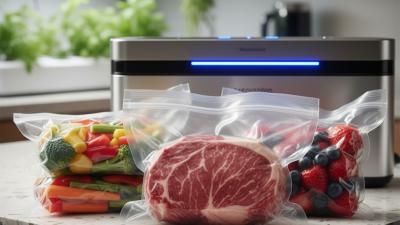
Vacuum packaging film is a game changer in food preservation. It effectively reduces spoilage by limiting exposure to air. According to the Food and Agriculture Organization (FAO), around one-third of all food produced globally is wasted. Vacuum packaging can cut these losses significantly by extending shelf life.
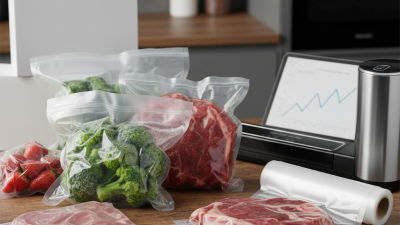
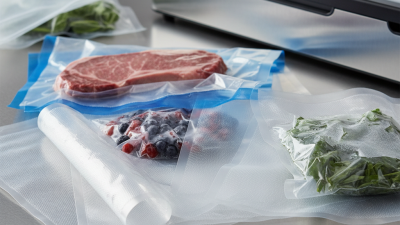
The absence of oxygen slows down the growth of bacteria, molds, and yeast. Research indicates that vacuum-sealed foods can last 2-3 times longer than those in traditional packaging. For instance, meat stored in vacuum packaging can remain fresh for about 2-3 weeks compared to just 1 week in simple plastic wrap. Fruits and vegetables also benefit. They can retain their nutrients and firmness, providing a better eating experience.
However, it is essential to acknowledge some limitations. Not all foods are suitable for vacuum sealing. Items with high moisture content may not retain their quality well. Additionally, improper sealing can lead to food spoilage. Industry reports suggest that while vacuum packaging offers clear advantages, awareness about correct usage remains low among consumers, leading to missed benefits.
Overview of Different Types of Vacuum Packaging Films Used in Industry
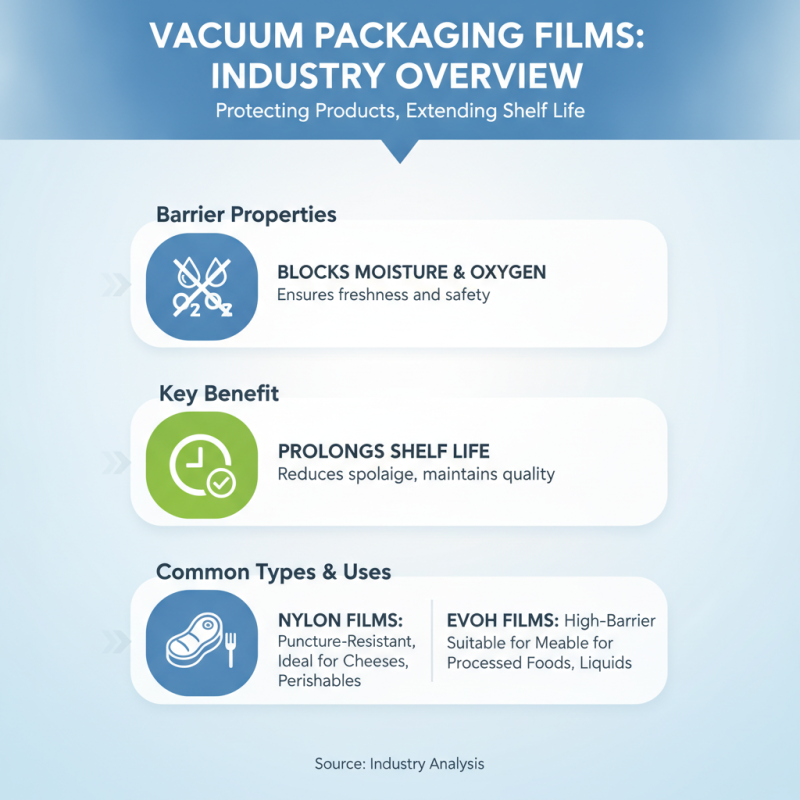
Vacuum packaging films are crucial in various industries. They provide an effective barrier against moisture and oxygen. These films help maintain the freshness and safety of products. Different types of films cater to specific applications. For instance, nylon films offer excellent puncture resistance. They are ideal for packaging meats and other perishable items.
Another type is polyethylene film, known for its flexibility. This film is often used for packaging snacks and dry goods. It’s cost-effective and can easily adapt to different shapes. However, it may not always provide the best barrier properties. Some businesses face challenges when choosing the right type. The film’s thickness and composition can significantly affect performance.
Polyvinyl chloride (PVC) films are also popular. They are often used for sealable packaging. However, concerns about environmental impact arise with PVC usage. As industries evolve, the demand for sustainable options grows. Companies must consider not just effectiveness but also sustainability in their packaging choices.
Key Applications of Vacuum Packaging Films in the Food and Beverage Sector
Vacuum packaging films are revolutionizing the food and beverage sector. These films play a crucial role in preserving the freshness of products. They enhance shelf life by removing air, which prevents spoilage. This technology is widely used for meats, cheeses, and dry goods, effectively locking in flavors and nutrients.
In addition to preservation, vacuum packaging improves logistics. It reduces package size, making transport efficient. Food manufacturers benefit from lower shipping costs and reduced carbon footprints. However, some challenges exist. Not all foods are suitable for vacuum sealing. Certain soft cheeses, for example, may spoil faster when sealed.
Tips: Always test packaging methods on small batches first. This yields insights into how different foods react. Ensure equipment is clean and properly maintained to avoid contamination.
The use of vacuum packaging extends to ready-to-eat meals and snacks. These products meet consumer demands for convenience and freshness. Yet, there can be a learning curve in adopting this technology. Training staff on proper sealing techniques is essential for optimal results. Balancing efficiency with quality remains a priority for many producers.
China Best Vacuum Packaging Film Benefits and Applications Explained
| Application |
Benefits |
Material Type |
Common Uses |
| Meat Products |
Extended shelf life, prevention of freezer burn |
PA/PE composite |
Vacuum-sealed meats, sausages, and deli products |
| Dairy Products |
Moisture control, flavor retention |
PVDC coated films |
Cheese packaging, yogurt containers |
| Fruits and Vegetables |
Freshness preservation, mold prevention |
Polyethylene and Polypropylene |
Packaged salads, cut fruits |
| Seafood |
Odor control, quality maintenance |
Barrier films |
Fish fillets, shrimp products |
| Ready-to-Eat Meals |
Convenience, durability |
Multi-layer films |
Frozen meals, meal kits |
Market Trends and Growth Statistics for Vacuum Packaging Films in China
The vacuum packaging film market in China is witnessing significant trends and growth. This surge can be attributed to various factors, including the increasing demand from food and pharmaceutical industries. As consumers look for longer shelf life and better preservation of products, vacuum packaging films have become a vital solution.
Statistics show that the market has been growing at a robust rate over the past few years. Analysts project a continued increase in demand through 2025. The growing e-commerce sector also boosts the need for durable packaging that can withstand transportation. Many manufacturers are investing in research and development. They aim to create films that offer better sealing and protection. However, some challenges remain, like the environmental impact of plastic waste.
Emerging trends in sustainability are influencing the market. Consumers are becoming more aware of eco-friendly packaging options. This shift presents an opportunity for companies to innovate and offer biodegradable films. Nonetheless, balancing cost and sustainability can be a hurdle for many manufacturers. As the market evolves, continuous adaptation and reflection on industry practices will be essential for success.
Technical Innovations and Advancements in Vacuum Packaging Film Materials
Vacuum packaging film has seen considerable advancements due to technical innovations. Recent developments focus on enhancing barrier properties. This improvement significantly extends shelf life. Manufacturers now utilize advanced polymer blends to optimize durability and flexibility. These materials resist punctures and tears effectively.
Moreover, innovative sealing techniques have emerged. They ensure airtight packaging, which prevents spoilage and microbial growth. Some films incorporate moisture-absorbing technologies. This helps maintain optimal humidity levels inside the package. In industries like food and pharmaceuticals, these features are vital against contamination.
Despite these advancements, challenges remain. Not all materials are recyclable. This raises questions about environmental impact. Industry leaders are now investigating sustainable alternatives. Additionally, the complexity of some films can complicate manufacturing processes. There’s a need for continuous improvement in both performance and sustainability.
China Best Vacuum Packaging Film Benefits and Applications