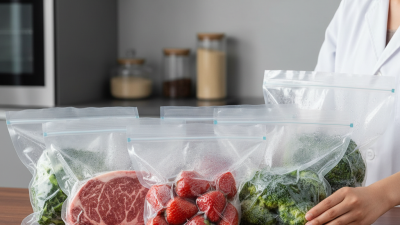
Choosing the best Sous Vide Bags from China takes more than comparing prices or attractive product photos. The right bag should match your cooking method, sealing equipment, and expected temperature range. Material, thickness, seal strength, and clear product specifications all matter. Small details matter.
A practical comparison starts with the manufacturer’s stated use and temperature limits. Check whether the bag suits your vacuum sealer, whether its seams look even, and whether the film stays clear and flexible. Ask suppliers for current food-contact documentation and test information relevant to your destination market. Requirements can vary, so avoid treating one certificate as proof of suitability everywhere. Not always.
This guide explains how to assess common bag types, compare supplier information, and spot questions worth asking before purchase. It also considers factors such as sample testing, packaging consistency, and communication with the factory. A low unit price may look appealing, but weak seals or vague specifications can create costly problems during cooking. Request samples when possible, then test them using your own equipment and follow the manufacturer’s instructions. There is no universal winner. The best choice depends on reliable evidence, practical performance, and the needs of your kitchen—not a sales claim alone. Even careful checks cannot remove every uncertainty, and that is worth remembering.
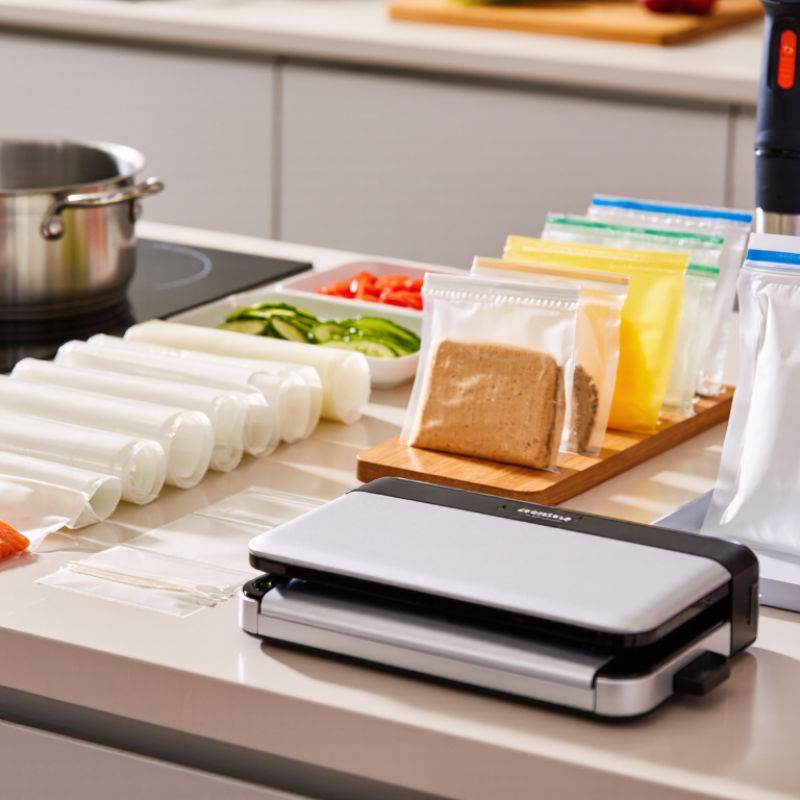
A sous vide bag holds food close to the water, allowing heat to transfer evenly while limiting direct contact with the bath. It also helps retain juices and seasonings. The bag is not magic. A weak seal can let water enter, while trapped air can make a pouch float and cook unevenly. Choose bags with a clear temperature rating, reliable seals, and food-contact documentation.
Temperature and time still determine safety. USDA FSIS lists 145°F with a three-minute rest for whole cuts, 160°F for ground meats, and 165°F for poultry. These are minimum household guidelines, not a complete sous vide schedule; thickness and holding time matter. The FDA Food Code’s 2022 provisions for reduced-oxygen packaging also emphasize controlled handling in food-service settings. When comparing bags made in China, request test records and traceable material specifications rather than relying on appearance alone. A clear pouch helps you inspect the seal. Small details count. I would not assume every bag performs alike, even when its label looks reassuring.
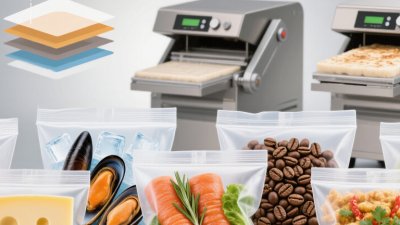
The right sous vide bag depends on its intended use, not just its country of origin. Chinese suppliers commonly offer multilayer pouches made with polyamide and polyethylene. Polyamide helps resist punctures, while polyethylene supports heat sealing. Some products use different layer combinations, so buyers should check the stated structure rather than assume every bag performs alike. Details matter.
Thickness, surface finish, and seal width affect handling. A bag that looks sturdy may still have weak seams. Ask for product specifications and food-contact documentation for the exact item being quoted. The documents should match the material and intended temperature range. A sample test is useful, too. Place food inside, seal it, and inspect for leaks after heating and cooling.
Manufacturing can include film extrusion, lamination, pouch forming, and heat sealing. Process controls matter at each step, especially when suppliers change materials or production runs. Request details on seal checks and batch traceability. These are practical questions, not guarantees. I would not judge a supplier by a polished sample alone; production consistency can be harder to verify. That is easy to overlook. Compare samples from more than one production lot when possible, and record any differences in seal strength, odor, or flexibility.
When comparing sous vide bags made in China, treat food-contact documentation as part of the product, not a bonus. Ask which exact film structure was tested. A bag may combine plastic layers, inks, and adhesives. The temperature rating matters. So does contact time. A report for cold storage alone does not establish suitability for prolonged heating.
Check documents against the market where the bags will be sold or used. In the United States, ask about applicable FDA food-contact requirements. In the European Union, look for relevant framework and plastics rules, plus a Declaration of Compliance where required. German buyers may request LFGB-related test evidence. Names on a certificate are not enough. Match the report to the factory, material, thickness, and intended temperature. Check its date and issuing laboratory, too.
Request migration-test results for the stated food types and use conditions, including fatty foods if relevant. Also ask about lot traceability, production controls, and seal-strength checks after heating. A clean-looking sample proves little. Compare the paperwork with a sealed bag from the same production lot; small details can drift. Even good documents cannot replace testing your actual recipe, bath temperature, and cooking time.
When comparing Chinese sous vide bags, assess performance and cost together. Request the film structure, thickness, temperature range, and food-contact documentation for the exact product. A low quote may reflect thinner film, larger minimum orders, or freight excluded from the price. Compare cost per usable bag, including shipping and expected rejects, rather than cost per roll.
For performance, ask for test results on seal strength, oxygen transmission, and puncture resistance. ASTM F88/F88M measures flexible-package seal strength; ASTM D3985 measures oxygen transmission. These methods help compare samples, but results matter only when test conditions match your intended use. The Flexible Packaging Association’s 2023 State of the U.S. Flexible Packaging Industry report estimated the U.S. sector at $42.9 billion in 2022. That figure shows the market’s scale, not the quality of any individual bag. Small distinction. Request samples and check seals after heating, cooling, and handling.
Tips: Test bags with your actual sealer and typical portions, such as a 150-gram chicken breast. Record leaks, seal appearance, and cost per successful cook. Ask suppliers to confirm that specifications apply to the production batch, not just a sample. A spreadsheet helps; it will not catch every mismatch.
| Bag type | Typical construction | Performance and equipment fit | Temperature and safety checks | Relative cost | Best suited for | What to verify when sourcing |
|---|---|---|---|---|---|---|
| Smooth vacuum pouch | Usually a multilayer structure such as polyamide (PA) and polyethylene (PE), with a smooth surface. | Works with chamber vacuum sealers. The sealed pouch can limit water contact and air exposure when correctly sealed. | Confirm the exact product is rated by its supplier for sous vide cooking at the intended time and temperature. Check food-contact documentation for the destination market. | Low to medium | Regular portioning and batch cooking with a chamber sealer. | Layer structure, thickness, seal compatibility, stated cooking limits, migration-test documentation, and seal integrity. |
| Embossed vacuum bag or roll | Typically a PA/PE multilayer film with an embossed or textured surface on one side. | Texture creates channels that help external suction sealers remove air. Rolls allow users to cut bags to length; each open end must be sealed. | Do not assume every embossed storage bag is suitable for cooking. Check the manufacturer’s stated temperature and duration limits. | Low to medium | Home use or small kitchens using external-edge vacuum sealers. | Compatibility with the specific sealer, embossed-side placement, film thickness, cooking-use rating, and leak resistance. |
| Heat-sealable PE cooking pouch | Polyethylene-based film; construction and barrier performance vary by grade and layer design. | Can be economical for heat sealing, but gas and moisture barrier properties depend on the particular film structure. | Require explicit food-contact and cooking-temperature documentation. A general food-storage rating does not establish suitability for sous vide. | Low | Cost-focused applications where the pouch’s documented limits match the cooking process. | Resin and layer details, temperature-duration limits, sealing window, barrier data, and applicable compliance documents. |
| Reusable silicone bag | Flexible silicone, usually with a press-seal or other reusable closure rather than a heat-welded seam. | Reusable and suitable for some low-air-removal methods, but the closure may not provide the same vacuum seal as a welded pouch. | Temperature limits differ by product. Check the specific supplier’s cooking instructions and food-contact documentation; inspect the closure and bag for wear. | High initial cost; potentially lower cost per use when reused | Repeated household use when reusability matters more than tight vacuum packaging. | Silicone composition, closure performance, cleaning instructions, temperature limit, and replacement guidance. |
| Pre-made specialty cooking pouch | Factory-made multilayer pouch, often with a defined seal area and a specified cooking application. | Convenient and consistent in size; performance depends on film quality, pouch design, and the quality of the factory seals. | Request written limits for both temperature and exposure time. Confirm that any printing, adhesives, or other components are suitable for the intended use. | Medium | Food-service operations seeking standardized pouch sizes or ready-to-fill formats. | Seal strength, dimensions and tolerances, construction, traceability, food-contact reports, and production quality controls. |
The best sous vide bag from China depends on your cooker and sealing method, not appearance alone. Match the bag’s dimensions to your water bath so it can lie flat without covering the circulation openings. For a pot-style cooker, a sturdy, well-sealed pouch helps keep water away from food. Leave space around each piece. Small details matter.
A chamber vacuum sealer can usually handle smooth bags because it removes air from the whole chamber. An external edge sealer often needs embossed channels to draw air from the pouch. Check your sealer’s instructions before ordering. Also review the supplier’s stated temperature range and food-contact documentation; clear plastic alone proves nothing. Not always obvious.
For long cooks or foods with sharp edges, choose a bag with suitable thickness and make a careful seal check. Fish portions need room to sit in a single layer, while dense vegetables may need more space for water circulation. A floating pouch can cook unevenly, so use a rack or another safe weight if needed. I would test a small batch first; specifications can look reassuring, yet handling may feel different in a real kitchen. Compare sample bags for size, flexibility, seal strength, and compatibility with your equipment.
The bars count compatible methods out of three: an external clamp-style vacuum sealer, water-displacement sealing, and repeated use. Compatibility can vary by bag design; always follow the bag maker’s temperature and use instructions.