How to Use Air Vacuum Food Sealers for Fresh Storage and Meal Prep?
In recent years, the use of Air Vacuum Food sealers has gained remarkable popularity among both homemakers and professional chefs. According to a report from the Food Storage and Preservation Industry, the market for vacuum sealers is projected to exceed $200 million by 2025. This growth reflects a rising awareness of food waste and the benefits of preserving food freshness.
Air Vacuum Food sealers play a crucial role in meal preparation. They help maintain the flavor, texture, and nutritional value of ingredients. Properly sealed food can last up to five times longer than food stored in conventional methods. However, many users continue to underutilize these devices, often overlooking their multifunctionality. Some find it challenging to adjust settings correctly or select appropriate bags, leading to inconsistency in results.
It’s important to understand that mastering the use of Air Vacuum Food sealers requires practice. Mistakes in food selection or sealing techniques can diminish their effectiveness. Embracing these challenges, however, is part of the journey towards smarter food storage and better meal prep. By understanding their capabilities and limitations, users can maximize the benefits of these innovative tools.
Understanding Air Vacuum Food Sealers and Their Benefits
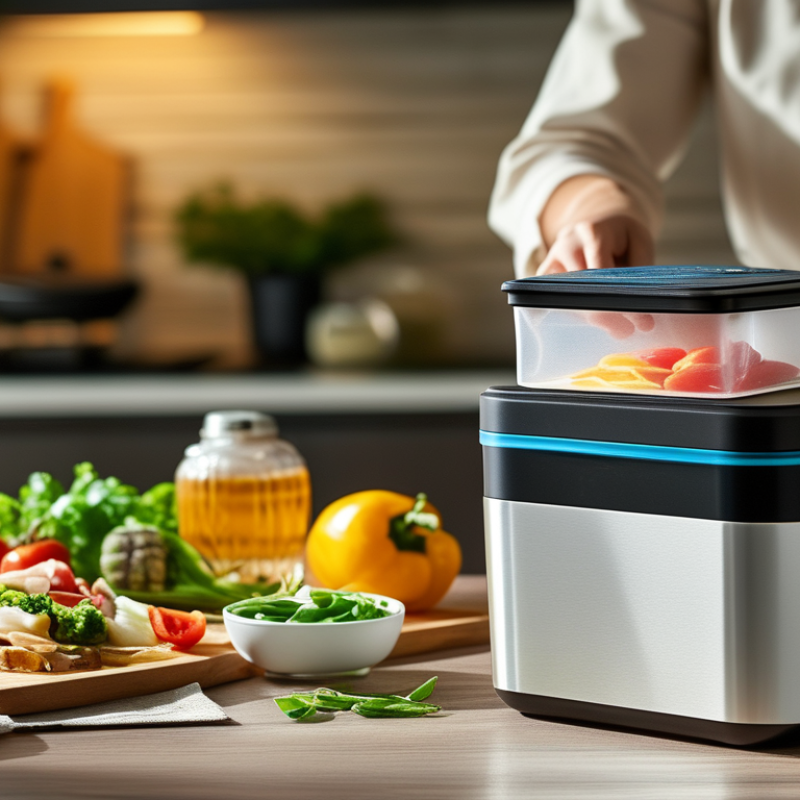
Air vacuum food sealers offer significant benefits for food preservation. A study from the Food Quality Institute shows that vacuum-sealed items can last up to five times longer than conventional storage methods. This is largely because these sealers remove air, which slows oxidation and bacterial growth. By creating a tighter seal, food retains its freshness and flavor better than with plastic wrap or bags.
Understanding the mechanics of these machines is crucial. They use heat and suction to remove air from packaging, creating an airtight environment. This helps prevent freezer burn and spoilage. According to the USDA, proper vacuum sealing minimizes food waste, a concern as Americans discard approximately 30% of their food supply annually. It's important to regularly check seals and always use high-quality bags to ensure effective preservation.
Despite their advantages, vacuum sealers aren't foolproof. Improper sealing can lead to contamination. Additionally, not all foods are suited for vacuum sealing, especially those with high moisture content. Fruits and vegetables may require blanching before sealing. Users must be educated on best practices to maximize efficiency. Understanding the nuances can lead to better meal prep and storage solutions, ultimately promoting healthier eating habits.
Choosing the Right Air Vacuum Food Sealer for Your Needs
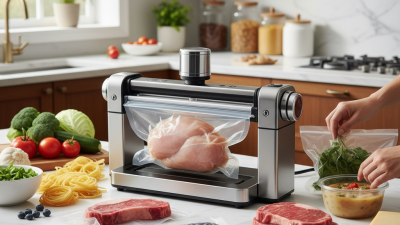
Choosing the right air vacuum food sealer can greatly enhance your meal prep and fresh storage routines. Look for a model that fits your lifestyle. Consider how often you cook, the types of food you store, and your budget. A sealer designed for heavy use may be unnecessary if you only seal items occasionally.
When assessing your options, think about features that matter most to you. A compact design may suit small kitchens, while a chamber vacuum sealer is better for larger items. Pay attention to ease of use. Some models may complicate the sealing process, while others offer user-friendly designs.
Tips: Always read reviews to gauge reliability. Look for products that provide consistent results over time. If you tend to lose track of sealing times, select a sealer with a built-in timer. Experiment with different settings to find what works best for various foods. You might find some brands have limits that others do not, prompting a need for adjustments.
Step-by-Step Guide to Vacuum Sealing Food for Freshness
Vacuum sealing food is an effective way to maintain freshness and enhance meal prep efficiency. This method removes air from packaging, which significantly slows bacterial growth. According to industry reports, vacuum-sealed food can last 3 to 5 times longer than food stored in traditional methods. The key to preserving flavor and nutrients is using proper techniques during the sealing process.
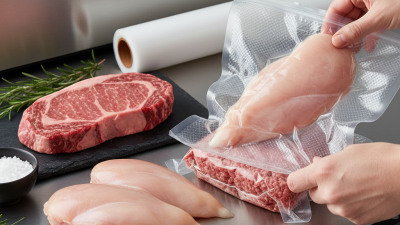
To get started, gather your food and a vacuum sealer. Ensure that the food is dry to prevent moisture from interfering with the seal. Cut the vacuum bags to a suitable size, allowing extra space at the top. Place food in the bag, ensuring no items are wedged against the seal area. Many forget this crucial step, leading to ineffective seals.
Once the bag is ready, follow the manufacturer’s instructions to seal it properly. You should hear a click or observe an indicator light, showing that the vacuum process is complete. Remember, not all foods are suitable for vacuum sealing. Foods with high moisture content can spoil if not sealed properly. Keep your equipment clean and regularly check the seals to maintain the quality of your food storage. These small details significantly impact the overall effectiveness of your meal prep.
Creative Meal Prep Ideas Using Vacuum-Sealed Foods
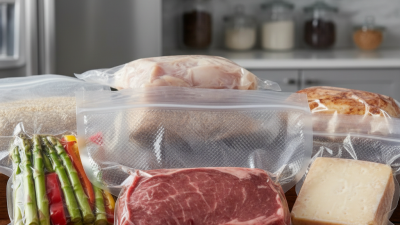
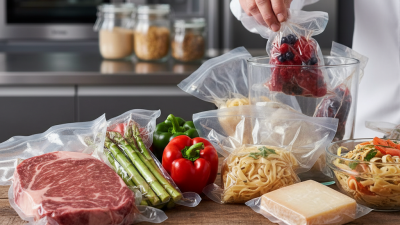
Vacuum-sealing food can revolutionize meal prep. Studies show that sealing food can extend its freshness by up to five times compared to traditional storage methods. This method works by removing air, which promotes spoilage. With vacuum-sealed foods, you can prepare a variety of meals in advance, saving time during busy weekdays.
Consider marinating your proteins in sealed bags. The vacuum also allows the marinade to penetrate more deeply, enhancing flavors. For example, chicken breast can be sealed with herbs and spices overnight. When you cook it, the flavor amplifies. You can also create portioned meals that are ready to heat. Just label the bags with dates for better organization.
Tips: Store vegetables in vacuum-sealed bags to keep them crisp. However, don’t forget that not all foods seal well. Foods like mushrooms might oxidize quickly in a vacuum, losing texture. Experimenting is key to discovering what works best for you. Don’t hesitate to revise your method as you learn!
Fresh Storage Benefits of Vacuum-Sealed Foods
Proper Storage Techniques for Vacuum-Sealed Items
Vacuum sealing extends the freshness of food. Proper storage techniques can make a significant difference in meal prep. When you vacuum seal items, ensure they are clean and dried. Moisture can lead to spoilage, even in sealed bags. For meats, consider pre-freezing them briefly. This helps maintain their texture during the sealing process.
Labeling is crucial. Always mark the date and contents on each vacuum-sealed bag. It helps keep track of what you have in storage. Use opaque bags for items like herbs to reduce light exposure, which can degrade flavors. Store sealed foods in a cool, dark place. The temperature should remain stable to prevent bacteria growth.
If you seal for long-term storage, consider oxygen absorbers. They extend the shelf life of dry goods. However, not all items are suitable for vacuum sealing. Foods like soft cheeses or delicate fruits may be crushed or damaged during the process. It's important to reflect on what works best for your storage needs. Try different techniques and observe how they affect your food's freshness. Learning from your experiences is key.
How to Use Air Vacuum Food Sealers for Fresh Storage and Meal Prep?
| Food Item |
Storage Method |
Shelf Life in Vacuum Sealed Bag |
Freezer Life |
| Fresh Fish |
Vacuum Seal and Refrigerate |
1-2 days |
6-12 months |
| Cooked Vegetables |
Vacuum Seal and Refrigerate |
3-4 days |
10-12 months |
| Raw Meat |
Vacuum Seal and Refrigerate |
2-3 days |
1-3 years |
| Cheese |
Vacuum Seal and Refrigerate |
1 month |
8 months |
| Dried Fruits |
Vacuum Seal and Store in a Cool Place |
6-12 months |
1-2 years |