Top Vacuum Bags for Storing Meat Effectively for Freshness and Flavor?
Vacuum bags for meat are an essential tool in any kitchen. They help preserve freshness and enhance flavors, ensuring that your favorite cuts remain delicious. Traditional storage methods often fail to keep meat in optimal condition. This results in freezer burn and loss of taste over time.
The right vacuum bags can make a significant difference. They create an airtight seal, preventing air from degrading the quality of the meat. High-quality vacuum bags meat can withstand freezing temperatures, preserving texture and flavor. Each piece of meat is contained perfectly, allowing you to store it for longer periods without compromising quality.
However, not all vacuum bags are created equal. Some may rip or lose their vacuum over time. Consumers should research the best options to avoid disappointment. Investing in superior vacuum bags is not just a good idea but a necessity for maintaining quality meat. Proper selection can lead to aesthetically pleasing and flavorful meals. Reflecting on storage choices is crucial, as even minor mistakes can lead to wasted food and money.
Overview of Vacuum Sealing for Meat Preservation
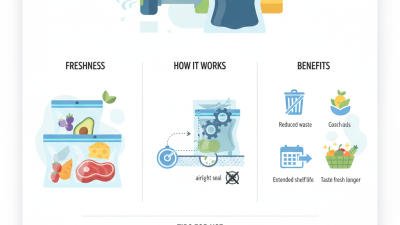
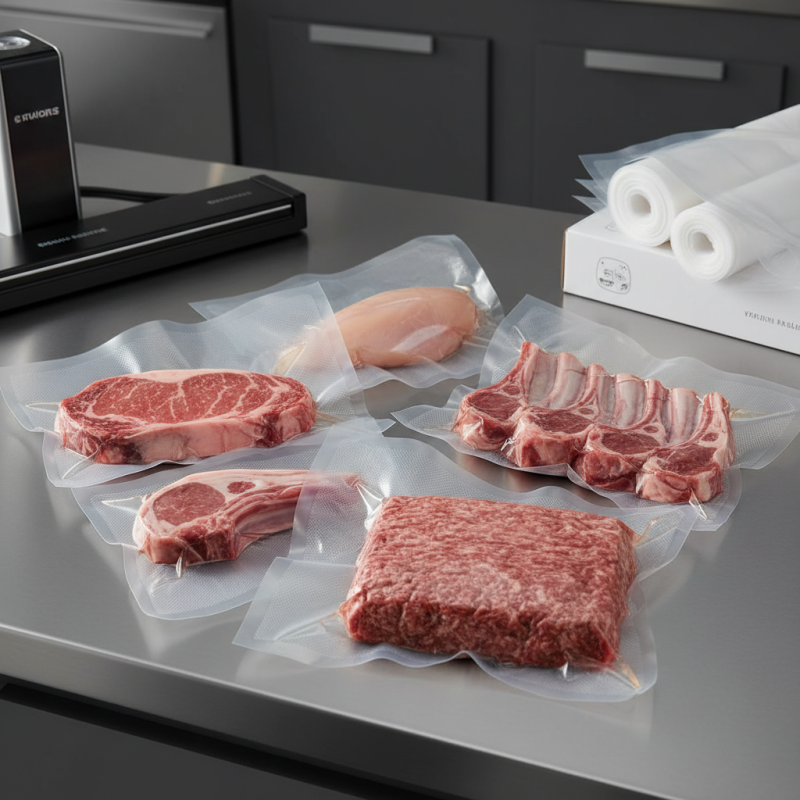
Vacuum sealing is an excellent method for preserving meat. It helps lock in freshness and flavor by removing air from the packaging. Without air, the growth of bacteria slows down significantly. This process can extend the shelf life of meat significantly, allowing you to enjoy your favorite cuts longer.
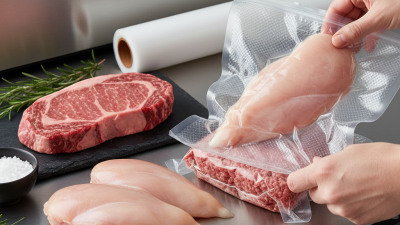
When vacuum sealing, it's crucial to use the right bags. Look for bags that are designed for meat storage. They should be thick and durable, minimizing the risk of punctures. Tips for sealing include ensuring the edges are clean and free of food particles. This prevents air from re-entering the bag.
Avoid sealing meat that is still warm or wet. This can lead to moisture buildup and spoilage. Instead, let it cool to room temperature first. Consider portioning meat into meal-sized servings before sealing. This way, you only defrost what you need. Remember, even the best techniques aren’t foolproof, so always check your meat for signs of spoilage after storage.
Top Vacuum Bags for Storing Meat Effectively for Freshness and Flavor
| Bag Type |
Material |
Thickness (Microns) |
Use Case |
Features |
| General Purpose |
Polyethylene |
90 |
Freezing Meat |
Affordable and Versatile |
| Heavy Duty |
Nylon/Polyethylene |
150 |
Long-Term Storage |
Puncture-Resistant |
| Boilable Bags |
Polyester |
120 |
Sous Vide Cooking |
Heat Safe |
| Pre-Cut Bags |
Nylon/Polyethylene |
120 |
Quick Use |
Convenient and Easy |
| Custom Size |
Nylon/Polyethylene |
Varies |
Specialized Shapes |
Tailored Fit |
Benefits of Using Vacuum Bags for Meat Storage
Vacuum bags offer several clear benefits for storing meat. They effectively seal out air, which prevents freezer burn. This helps maintain the meat's freshness and flavor, leading to a more enjoyable meal. When stored properly, the delicate juices and rich taste of the meat are preserved. Think of a juicy steak or savory chicken – vacuum sealing enhances these qualities.
Using vacuum bags can save more than just space. They allow for longer storage times. Properly sealed meat can last months in the freezer. This means fewer trips to the grocery store, which many find appealing. However, it's crucial to ensure that the bags are free from punctures or tears. Even a small hole can lead to spoilage. Users need to check their bags regularly. Sometimes, people get lazy and forget.
While vacuum storage is highly effective, it's not perfect. Many users struggle with the initial sealing process. Incorrect sealing can compromise the meat’s integrity. It requires practice to master the technique. Additionally, improperly stored meat still risks developing off-flavors. Each user can benefit from learning how to manage their vacuum storage better. Keeping meat fresh and flavorful takes effort, but the rewards are well worth it.
Types of Vacuum Bags Suitable for Meat
When it comes to storing meat, the right type of vacuum bag can make a significant difference. Not all vacuum bags are created equal. Industry reports indicate that bags designed specifically for meats have enhanced puncture resistance and durability. These bags can preserve freshness for up to five times longer than traditional storage methods. This is crucial for maintaining flavor and preventing freezer burn.
There are several types of vacuum bags suitable for meat. These include heavy-duty vacuum bags, which are thicker and provide excellent protection. Another option is textured vacuum bags, which help facilitate air removal. Research shows that using textured bags can improve the sealing process by 30%, resulting in better preservation. However, one must ensure compatibility with the vacuum sealing machine, as not all bags fit every device.
In the end, choosing the right vacuum bag is sometimes overlooked. It's common to underestimate the importance of quality in storage products. Some might choose cheaper options, leading to unsatisfactory results. This can harm the taste and texture of meats, ultimately impacting meal enjoyment. Be mindful of the differences and make informed choices.
Best Practices for Storing Meat in Vacuum Bags
Storing meat in vacuum bags can significantly enhance its freshness and flavor. Studies by the USDA show that vacuum sealing can extend the shelf life of meat by up to five times compared to traditional storage methods. This is crucial for avoiding spoilage and maintaining quality. A well-sealed bag reduces oxygen exposure, which slows bacteria growth.
To maximize the benefits of vacuum sealing, ensure the bags are airtight. Any air left inside can compromise the meat's integrity. Properly pre-freezing meat before sealing can improve results as well. This method prevents cell damage and maintains texture when frozen. Remember, meat should be stored at temperatures below 32°F to prevent bacterial activity.
However, not everyone gets it right. Some may seal meat that is still warm, risking spoilage. Additionally, using incompatible vacuum bags can lead to tears or leaks. It’s important to use the right thickness and type of bag for different cuts of meat. Regular checks during storage are essential to catch any potential issues early.
Comparative Review of Top Vacuum Bags on the Market
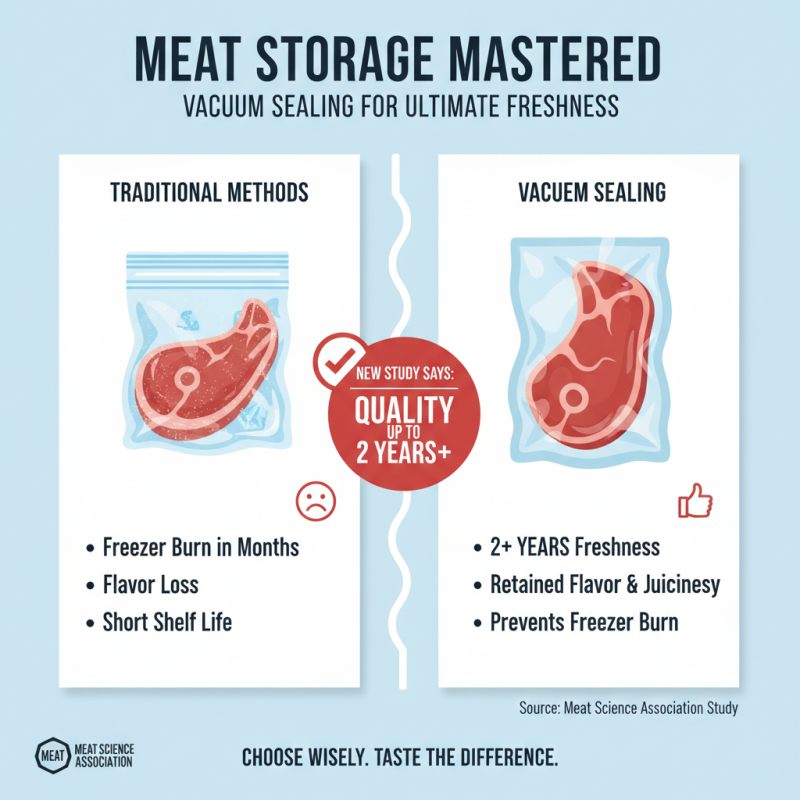
When it comes to storing meat, effective use of vacuum bags can significantly enhance freshness and flavor. A recent study by the Meat Science Association highlights that vacuum-sealed meat can retain quality for over two years. This is a stark contrast to traditional storage methods, which often lead to freezer burn and flavor loss within months. Choosing the right vacuum bag is crucial.
Different vacuum bags on the market vary in terms of material and durability. Some bags are designed for sous-vide cooking, while others are more intended for long-term storage. A report from the Food Packaging Forum notes that thicker bags provide better moisture barrier properties, keeping your meat juicy. Conversely, thinner bags might allow air seepage, which can compromise flavor over time.
However, not all vacuum bags perform equally. Some users report issues with sealing effectiveness and puncture resistance. Regular testing of these products shows that even minor punctures can lead to spoilage within weeks. Consumers often overlook these flaws, believing that any vacuum seal will suffice. It's essential to choose wisely, as a poor product can ruin quality and lead to wasteful practices.