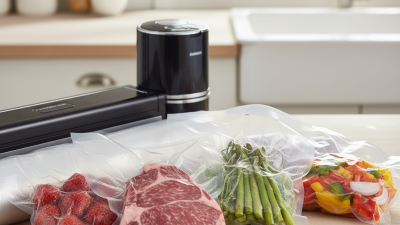
What is a Sealer Bag and How Does It Work?
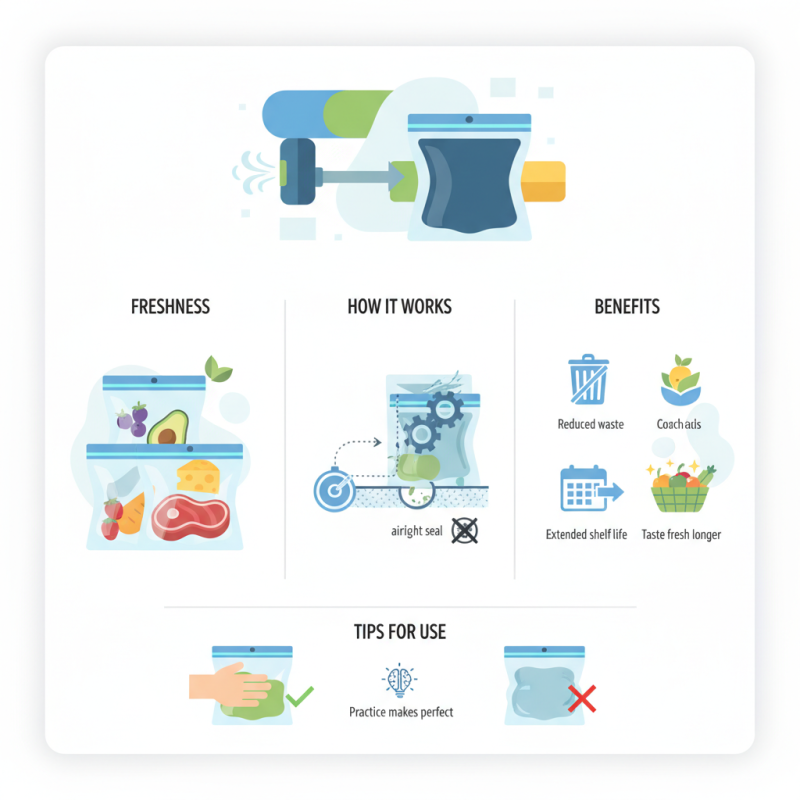
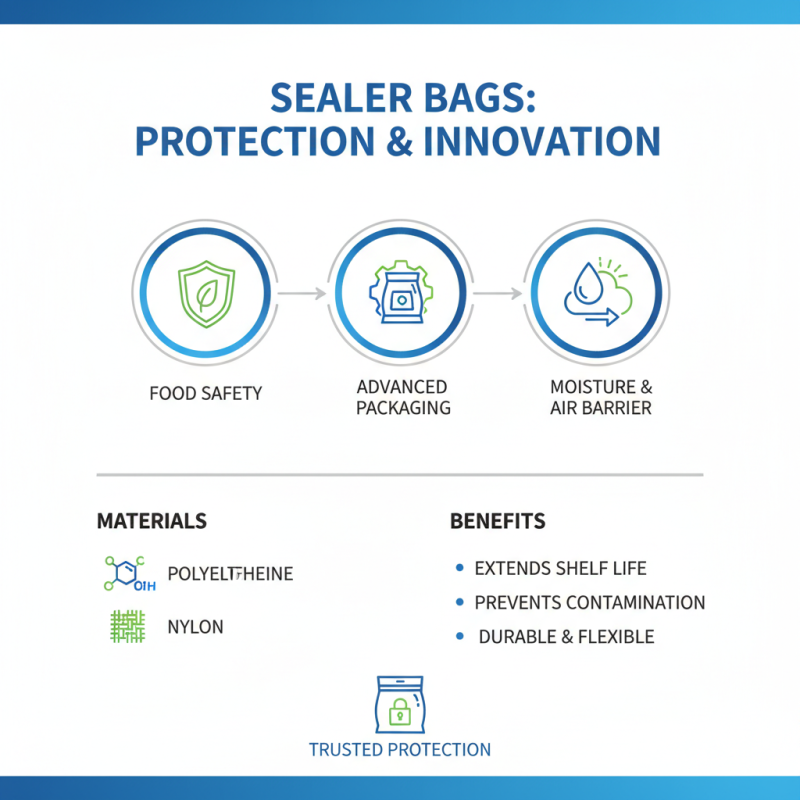
Sealer bags are essential for preserving freshness. These bags keep food safe from air and moisture. They play a vital role in reducing waste and extending shelf life. Sealer bags come in various sizes and functions. When used correctly, they can significantly enhance food storage.
How do these bags work? They create an airtight seal, preventing spoilage. However, not all sealer bags are equal. Some may not hold the seal as expected. This inconsistency can lead to frustration for users. It's important to choose quality options for the best results.
Using sealer bags can be a game-changer in your kitchen. Imagine opening a bag of fruits that taste fresh even weeks later. But, be mindful. It’s easy to over-pack or mishandle them. Understanding how to use sealer bags effectively takes practice. Embrace the learning curve to improve your food storage techniques.
What is a Sealer Bag?
Sealer bags are a practical solution used in various industries. These bags are designed to preserve food, documents, and even personal items. They work by creating an airtight seal, helping to prevent spoilage or damage. According to industry reports, the use of sealer bags has grown by over 25% in recent years, highlighting their increasing importance in storage solutions.
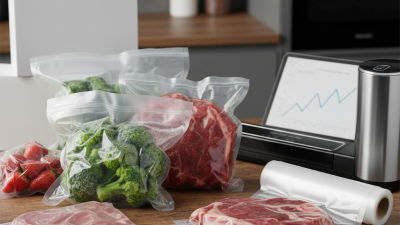
These bags come in different styles. Some use heat sealing, while others rely on zipper mechanisms. The choice depends on the intended use. In the food industry, for example, vacuum sealer bags are essential. They remove air and lock in freshness for items like meats and vegetables. However, not every sealer bag is made the same; quality varies. Poor-quality bags may not provide the airtight seal promised.
Tip: Always check the specifications of the sealer bags. Not all bags can withstand extreme temperatures. For storage, consider the type of items you plan to seal. To maintain freshness, it’s crucial to choose the right bag for the right food.
Nonetheless, some experience challenges. It can be frustrating when sealing fails. This often happens when the bag is not properly aligned, or the sealer is malfunctioning. Regular maintenance of sealing machines can help mitigate these issues. Take a moment to reflect on how consistently you are using these bags in your daily life.
Usage of Sealer Bags by Different Categories
The Purpose and Benefits of Using Sealer Bags
Sealer bags are versatile tools in modern kitchens. They help keep food fresh, reduce waste, and save space. The primary purpose is to create an airtight seal around the food. This prevents oxidation and spoilage, significantly extending the shelf life of perishables.
Using sealer bags has multiple benefits. They are great for marinating meats. The sealing process allows flavors to penetrate deeply. Vacuum-sealed bags also save space in your refrigerator or freezer. You can stack or arrange them efficiently. This method can also help when organizing dry goods in your pantry.
Tips: For optimal sealing, ensure the bag opening is clean. Any residue can prevent a proper seal. Also, try portioning items into smaller bags. It ensures you'll only open what you need. This can reduce waste and keep the rest of your food fresh. Remember, practice makes perfect; some seals may leak initially. Adjust your technique until you find what works best.
Understanding the Sealing Process: Mechanisms and Techniques
Sealer bags are designed to protect food and other items from external elements. The sealing process involves various mechanisms that ensure the bags remain airtight. Typically, heat sealing is the most common method. Heat is applied to the edges of the plastic material, melting it slightly to form a bond. This creates a secure barrier against moisture and air.
Another technique is vacuum sealing, which removes air from the bag before sealing it. This method helps to extend the shelf life of food by reducing oxidation. It’s effective but requires a special vacuum device. There are also manual methods, like using clips or ties, though they may not be as effective. Often, users neglect to ensure that the edges are clean before sealing, leading to weak seals and spoiled contents.
Inadequate sealing can result in contamination or freezer burn. Even minor mistakes in the sealing technique can compromise the contents. Users must practice patience and precision when sealing to achieve the best results. Individual preferences in food storage highlight a need for constant improvement in sealing methods.
What is a Sealer Bag and How Does It Work? - Understanding the Sealing Process: Mechanisms and Techniques
| Dimension |
Description |
Mechanism |
Usage |
| Material Type |
Plastic, Aluminum, Vacuum |
Heat Sealing, Cold Sealing |
Food Storage, Packaging |
| Thickness |
100 - 500 microns |
Pressure and Heat application |
Industrial Use |
| Seal Strength |
2 - 10 N/cm |
Thermal Activation |
Medical Use |
| Applications |
Food, Electronics, Pharmaceuticals |
Polymer Bonding |
Chemical Packaging |
| Sealing Temperature |
120 - 200°C |
Controlled Heating Devices |
High-Temperature Requirements |
Applications of Sealer Bags in Everyday Life and Industries
Sealer bags play a vital role in various industries and daily life. They are essential for preserving food, extending shelf life, and ensuring freshness. In 2022, the global vacuum sealer market was valued at approximately $294 million. This figure indicates the rising dependence on sealer bags for food storage. Sealers reduce air exposure, limiting oxidation and bacterial growth, which keeps food fresh longer.
In the healthcare sector, sealer bags are used for packaging medical supplies. Sterility is crucial in this field. According to a report by Grand View Research, the medical packaging market reached $30.4 billion in 2021. The demand for safe and effective packaging underscores the significance of sealer bags in protecting products from contamination.
However, there are challenges. Many individuals still underestimate the importance of proper sealing techniques. Improper use can lead to spoilage. Additionally, the environmental impact of plastic waste from these bags cannot be overlooked. This factor calls for a reflection on sustainable practices and alternatives. Sustainable packaging solutions are gaining traction as consumers become more environmentally conscious.