10 Essential Tips for Using Vacuum Bags for Meat Preservation
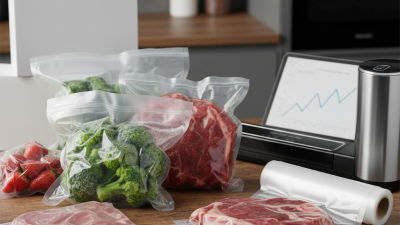
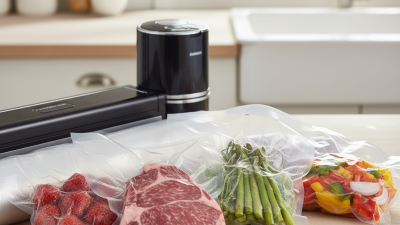
When it comes to preserving meat, using vacuum bags is a game-changer. Vacuum Bags Meat keep freshness and flavor intact for longer. They eliminate air and prevent freezer burn, making them ideal for storage. However, some might overlook key aspects while using these bags. Choosing the right size is crucial; oversized bags waste space. On the flip side, too small a bag might compromise sealing.
Another common mistake is not preparing the meat properly. Cleaning and trimming the meat ensures better preservation, yet many skip this step. Proper sealing is vital too. A weak seal can lead to spoilage. Yet, even experienced users sometimes struggle with this. It’s essential to invest time in learning the sealing process thoroughly. Missteps can lead to wasted food and money.
Ultimately, embracing the benefits of vacuum bags requires careful consideration. Each bag holds the potential for meal longevity, but attention to detail is required. Understanding how to maximize the use of Vacuum Bags Meat can vastly improve your kitchen efficiency.
Benefits of Vacuum Sealing for Meat Preservation: An Overview
Vacuum sealing is a highly effective method for preserving meat. According to a report by the Institute of Food Technologists, vacuum sealing can extend the shelf life of meats by 3 to 5 times compared to traditional storage methods. This technology reduces the presence of oxygen, which inhibits the growth of spoilage bacteria and molds. It’s a simple process that can help maintain the flavor and texture of the meat, ensuring it remains fresh longer.
One of the significant benefits of vacuum sealing is its ability to retain nutrients. A study published in the Journal of Food Science showed that vacuum-sealed meat retains nearly 90% of its vitamins and minerals during storage. However, improper sealing can lead to issues. If air pockets remain, they can lead to freezer burn and spoilage. Regularly check your vacuum bags for integrity. Experience shows that not all vacuum bags perform equally; some may not provide the advertised seal. Reflecting on these points can improve your meat preservation efforts.
Additionally, vacuum sealing offers cost-saving benefits. Buying meat in bulk can reduce overall costs. A report from USDA suggests that consumers save up to 30% when buying in larger quantities and using vacuum bags for storage. This method can be particularly beneficial for families or those who frequently purchase meat. Yet, if not packaged correctly, the meat could end up wasted. Being mindful of these factors ensures that you optimize both quality and savings when preserving meat at home.
Understanding Vacuum Bag Materials: Choosing the Right Type for Meat
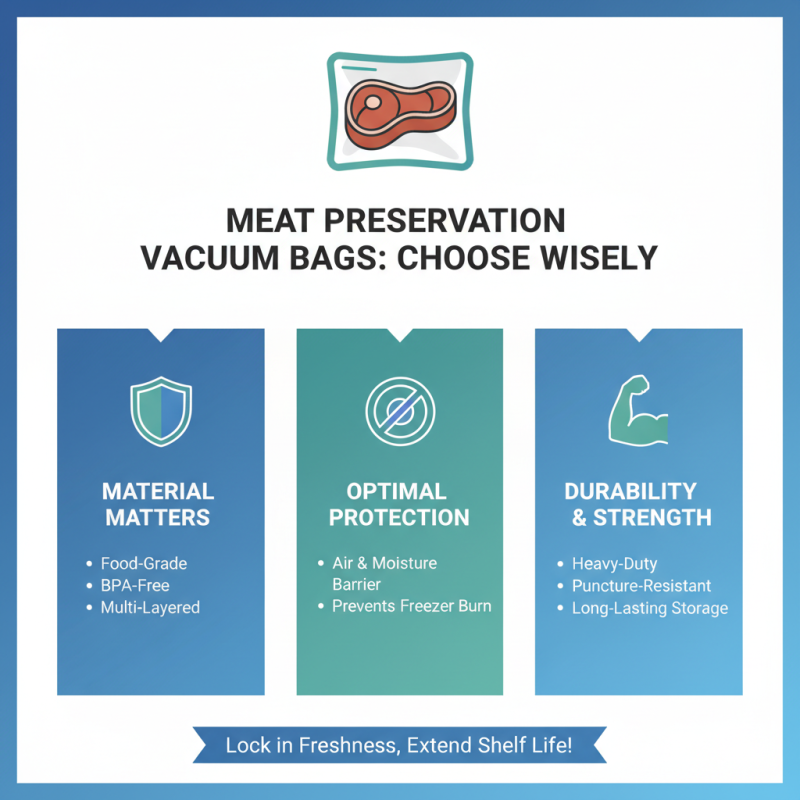
When choosing vacuum bags for meat preservation, material matters. Not all vacuum bags are created equal. Some are designed specifically for storing meat. Others may not provide the best barriers to air and moisture. It’s crucial to select heavy-duty bags that offer durability. Look for multi-layered options that protect your meat from freezer burn.
Think about the thickness of the material. Thicker bags usually offer better protection. However, they can be harder to seal properly. Experiment with different thicknesses to find what works best for you. Also, consider that not all vacuum bags are BPA-free. This is an important factor for safe food storage.
Remember that heat-sealable bags require proper sealing. If the seal is weak, it can lead to spoilage. A bad seal on a thick bag may be worse than a good seal on a thin one. Take time to practice sealing techniques. Mistakes can happen, so it's good to reflect on them. Assessing these options ensures your meat stays fresh and safe for longer.
Optimal Storage Conditions for Vacuum-Sealed Meat: Temperature and Humidity
When it comes to vacuum-sealed meat, maintaining optimal storage conditions is vital. Temperature plays a crucial role. The FDA recommends storing vacuum-sealed meat at or below 0°F (-18°C). At this temperature, bacteria growth slows significantly. A recent study highlighted that meat stored at higher temperatures could spoil within a week. If your freezer fluctuates, it can lead to freezer burn. This affects the texture and taste of the meat.
Humidity is another essential factor. Ideally, keep humidity levels below 30% in storage areas. High humidity can promote mold growth and spoilage. Research shows that vacuum-sealed meat in humid environments can develop off-flavors within days. Therefore, consider using desiccants in your storage containers. They can help absorb excess moisture. However, too much dryness can also be a concern. It may lead to dehydration and loss of quality.
Pay attention to these aspects. Small changes in temperature or humidity can have a big impact on meat preservation. Sometimes, even seasoned cooks overlook this, leading to wasted food. Regular checks on your storage systems can prevent such issues. Taking the time to ensure these conditions can make a significant difference in the longevity of your vacuum-sealed meat.
Impact of Vacuum Sealing on Meat Shelf Life: Key Industry Data
Vacuum sealing significantly extends meat shelf life. This method reduces oxidation and moisture loss. According to industry data, vacuum-sealed meat can last up to five times longer than traditional storage methods. Fresh cuts, when properly sealed, can be stored for months. This keeps them flavorful and safe for consumption.
When using vacuum bags, ensure the meat is fresh. Thawing previously frozen meat can lead to bacterial growth. Eliminate air bubbles while sealing. Air pockets can compromise the seal. Maintain a clean workspace to avoid contamination. Properly label each bag with the date and type of meat.
Remember to pre-freeze items like ground meat before sealing. This helps maintain their texture. Test your vacuum sealer periodically for efficiency. A weak seal can ruin your efforts. Additionally, consider portion sizes before sealing. Avoiding large portions may help reduce waste.
10 Essential Tips for Using Vacuum Bags for Meat Preservation
| Tip Number |
Tip Description |
Impact on Shelf Life (Months) |
Storage Temperature (°F) |
| 1 |
Ensure the bag is free of air before sealing |
12-24 |
0-32 |
| 2 |
Use high-quality vacuum bags specifically for meat |
12-24 |
0-32 |
| 3 |
Label bags with content and date |
12-24 |
0-32 |
| 4 |
Avoid overfilling the bags |
12-24 |
0-32 |
| 5 |
Check seals for any leaks post-sealing |
12-24 |
0-32 |
| 6 |
Store at optimal freezing temperatures |
12-24 |
0-32 |
| 7 |
Defrost properly to avoid bacteria growth |
12-24 |
32-40 |
| 8 |
Use marinade prior to sealing for enhanced flavor |
12-24 |
0-32 |
| 9 |
Consider portioning meat into meal sizes |
12-24 |
0-32 |
| 10 |
Ensure vacuum sealer is properly maintained |
12-24 |
0-32 |
Best Practices for Sealing Meat Properly: Techniques and Tips
Vacuum sealing meat is a great way to extend its shelf life. However, proper sealing techniques are crucial. According to industry reports, vacuum-sealed meat can last 2-3 years in the freezer, compared to 6-12 months for traditional storage. Inadequate sealing can lead to spoilage.
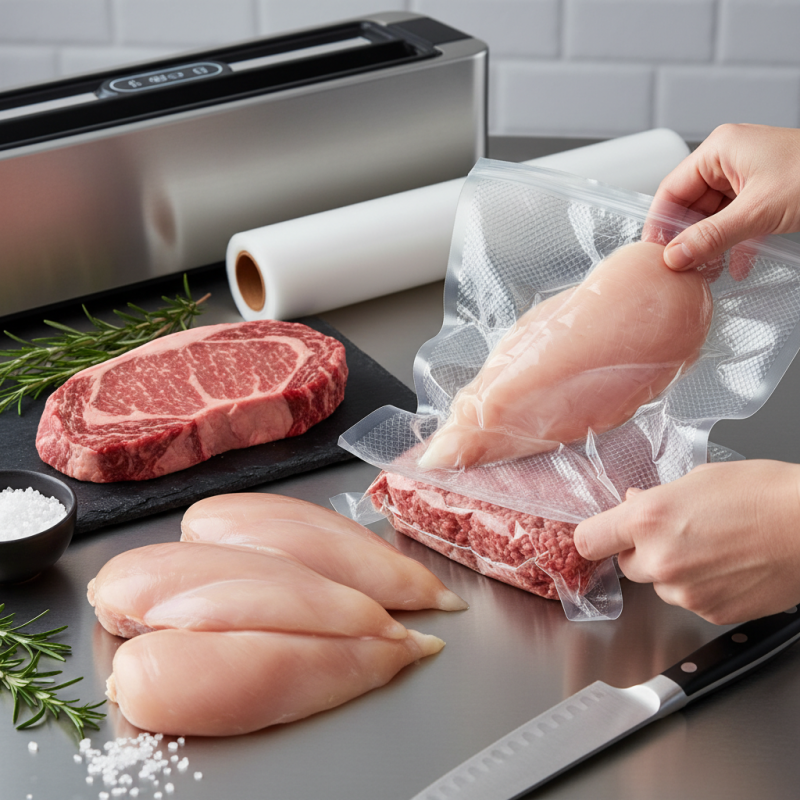
To seal meat properly, choose high-quality vacuum bags. They should be thick enough to prevent punctures. Allow for adequate space around the meat. This helps the vacuum sealer to remove air effectively. The meat should be dry; moisture can create a barrier to sealing.
It’s important to note that not every piece of meat will seal perfectly. Sometimes, excess air can remain. If you notice vacuum bags puffing up, re-seal them carefully. Monitor the sealed packages for signs of freezer burn. Mindful practices ensure better preservation. Even with the best techniques, some batches may not hold as well. This can be a learning experience in your preservation journey.
Vacuum Bags for Meat Preservation: Best Practices