10 Essential Tips for Using Vacuum Packs Effectively
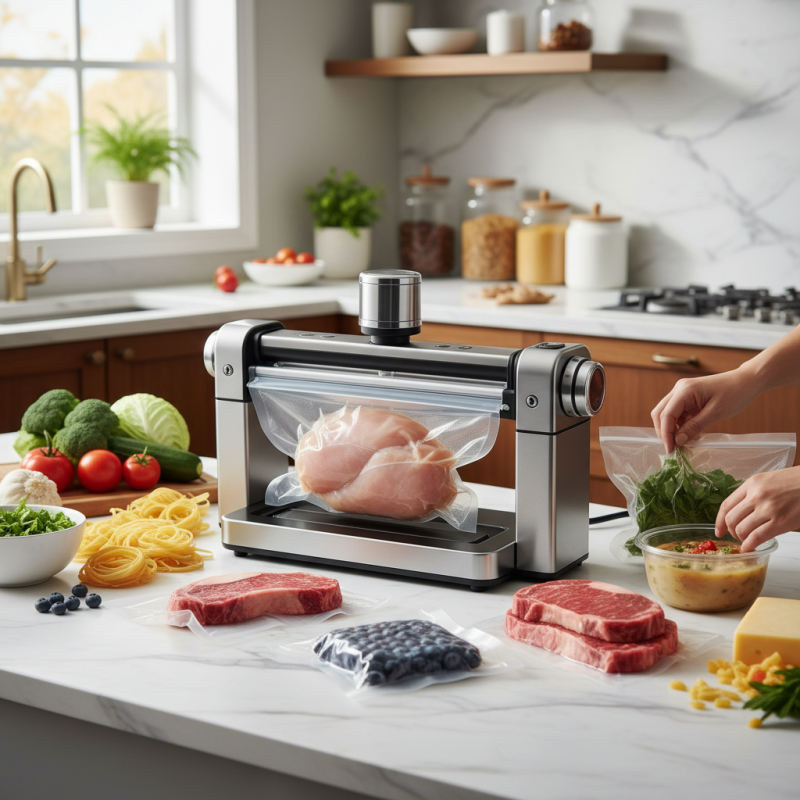
Vacuum Packs are more than just storage tools. They help preserve food and save space. Understanding how to use these packs effectively can make a big difference in your kitchen.
Many people struggle with sealing methods. Sometimes, the seal may not hold up. This can lead to wasted food and money. Choosing the right vacuum pack is crucial. Not all packs are designed the same. Some are better for liquids, while others work for solid items.
With the right techniques, you can maximize the benefits. Learning a few essential tips will help you avoid common pitfalls. Proper storage can extend the life of your food. Ultimately, being mindful of your vacuum packing process can lead to better results.
Understanding Vacuum Packaging and Its Benefits for Food Preservation
Vacuum packaging is a game-changer in food preservation. This method removes air from packaging, significantly reducing oxidation. According to industry reports, food packaged this way can last up to five times longer than traditional storage methods. It helps maintain flavor, color, and texture. Understanding this process can greatly benefit both households and businesses.
One essential tip is to ensure the bags are clean and dry before sealing. This step prevents contamination and improves the vacuum seal. Another tip is to leave enough space for sealing to create an airtight seal. This can increase the longevity of the food. Failure to do so might result in spoilage, as the air may not be completely removed.
Moreover, vacuum packaging is versatile. It can be used for marinating meats, storing vegetables, and even sous vide cooking. According to a recent study, over 80% of chefs prefer this method for its efficiency. Despite these advantages, many still struggle with achieving a proper seal. This is an area for improvement, as inconsistent vacuuming can lead to wasted food. Being aware of these nuances can elevate your food preservation game.
Key Considerations for Choosing the Right Vacuum Packing Equipment
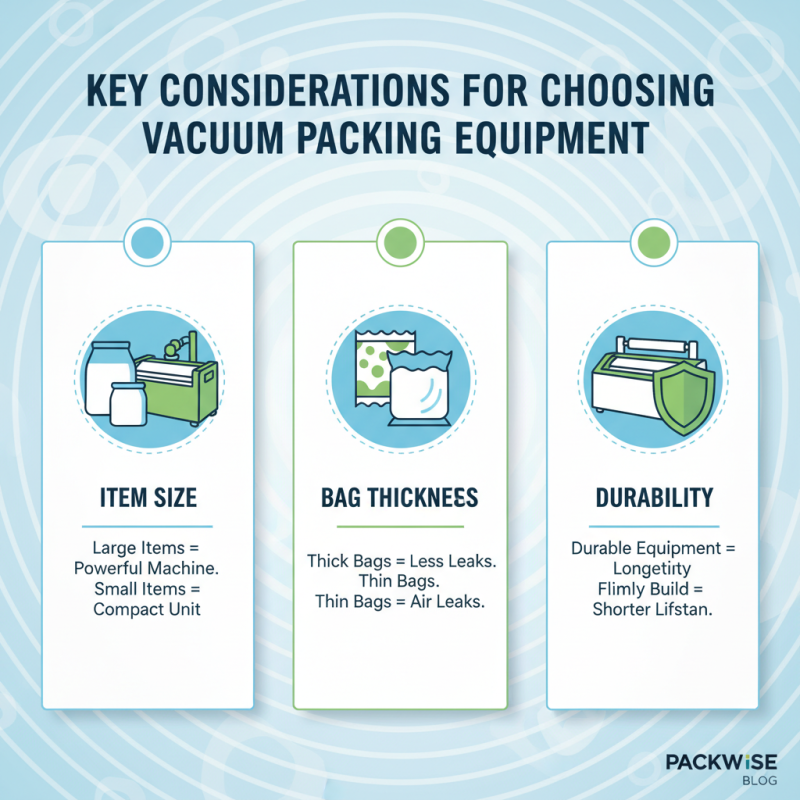
When choosing vacuum packing equipment, it's essential to assess your specific needs. Not all machines are created equal. Consider the size of items you typically pack. Larger bags require powerful machines. However, small units may suffice for basic household use. Make sure to evaluate the thickness of the bags. Thinner bags can lead to air leaks. Invest in durable options for better longevity.
Look for features that enhance usability. Some devices have automatic sealing, which is convenient. Others may struggle with inconsistent seals. Reflect on how often you plan to use the equipment. If you're not using it daily, a simpler model may be more appropriate. Also, consider maintenance requirements. Machines that are hard to clean might become obstacles in your routine.
Pay attention to the accessibility of replacement parts. It's frustrating if a small part breaks and you cannot find a replacement. Vacuum packing can feel overwhelming at first. Practice makes perfect. You might find that some foods seal better than others. Experiment with different settings to find what works best. This journey can lead to unexpected discoveries.
Step-by-Step Guide to Properly Vacuum Sealing Various Food Types
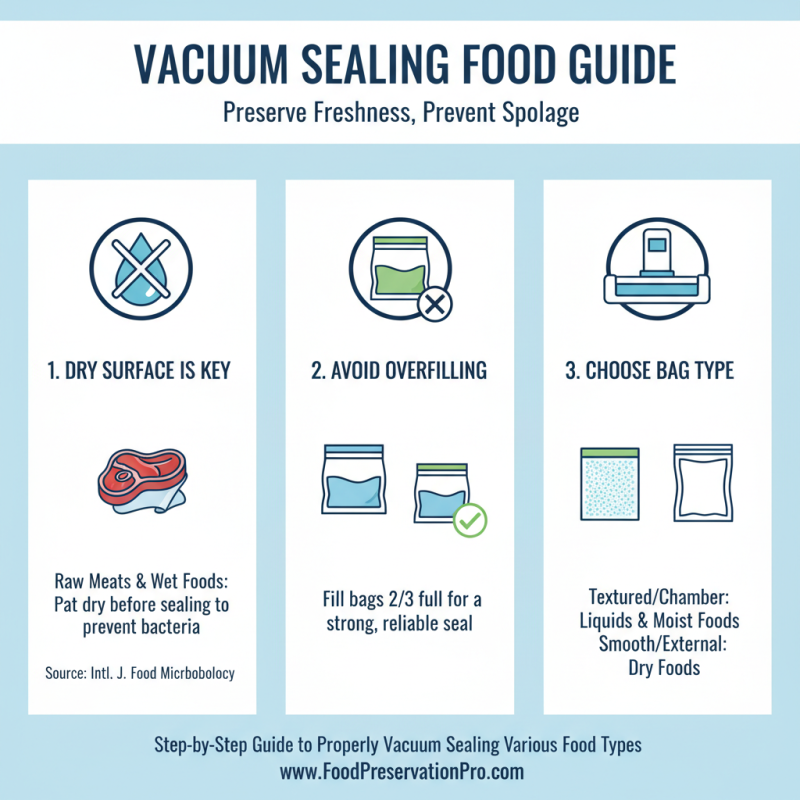
Vacuum sealing is an effective way to preserve food. However, many overlook essential steps in the process. For instance, when sealing raw meats, it’s crucial to ensure the surface is dry. A report by the International Journal of Food Microbiology noted that moisture can lead to spoilage and bacterial growth. Additionally, avoid overcrowding the vacuum bag. This can prevent a strong seal, leading to compromised storage.
Different food types have unique requirements when vacuum sealing. For delicate items like berries, use a setting that allows sealing without crushing them. This sensitivity impacts the seal’s effectiveness. Remember, not all vacuum systems are the same. You may need to adjust settings or bag types depending on food characteristics. The USDA highlights that improper vacuum sealing can reduce shelf life by up to 50%. Always check the bag after sealing for leaks or air pockets. Sealing is a skill that sometimes requires a few tries to get right. Proper practice ensures your food stays fresh longer.
Storage Duration: How Vacuum Packing Extends Shelf Life of Food
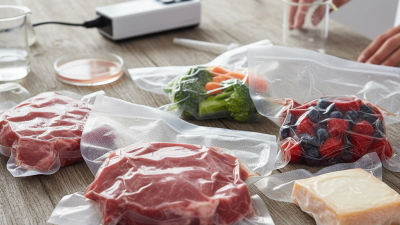
Vacuum packing is a game changer for food storage. It effectively extends the shelf life of perishable items. By removing air, vacuum sealing prevents the growth of bacteria and mold. This is especially important for meats, cheeses, and fruits. Properly vacuum-packed food can stay fresh for weeks, or even months, longer than stored in regular packaging.
However, not all foods are suitable for vacuum packing. Foods with high moisture content can create a breeding ground for bacteria once sealed. It is essential to ensure that foods are properly prepped before sealing. For instance, blanching vegetables can help maintain their texture and color. On the flip side, some dry items can become crushed or lose their texture in the process.
Finding the right balance is key. Monitor the condition of vacuum-sealed food regularly. If you notice changes in color or texture, consider using them sooner. Not every seal is perfect; occasionally, air might seep back in. In those cases, re-sealing is necessary. Understanding how vacuum packing affects storage durations is crucial. Proper techniques can make a significant difference in preserving your meals and reducing waste.
10 Essential Tips for Using Vacuum Packs Effectively
| Tip Number |
Tip Description |
Recommended Storage Duration (Months) |
Food Type |
| 1 |
Ensure food is clean and dry before packing. |
6-12 |
Fruits |
| 2 |
Use the proper vacuum pack setting for liquids. |
3-6 |
Soups |
| 3 |
Label your vacuum packs with contents and date. |
12-24 |
Meats |
| 4 |
Avoid overpacking to ensure a good seal. |
3-6 |
Vegetables |
| 5 |
Use a food-safe vacuum bag to prevent contamination. |
12-24 |
Cheese |
| 6 |
Store vacuum-packed foods in a cool, dry place. |
6-12 |
Grains |
| 7 |
Consider blanching vegetables before packing. |
10-12 |
Green Beans |
| 8 |
Use a vacuum sealer to remove air effectively. |
12-18 |
Dry Fruits |
| 9 |
Refrigerate or freeze vacuum-packed foods for longer shelf life. |
24+ |
Meat and Fish |
| 10 |
Do not use vacuum packing for food items like broccoli or lettuce. |
1-3 |
Leafy Greens |
Best Practices for Thawing and Reusing Vacuum-Sealed Products
Thawing vacuum-sealed products correctly is crucial for food safety. According to the USDA, thawing food at room temperature can lead to rapid bacterial growth. Instead, use the refrigerator for safe defrosting. This method can take longer, but it preserves the food’s quality. The ideal refrigerator temperature is below 40°F (4°C) to slow bacterial growth.
When you want to reuse vacuum-sealed bags, make sure they are designed for multiple uses. Many bags can, in fact, be reused if they have not come into contact with raw meat or seafood. Check for holes or tears beforehand. If the bags do show signs of wear, it’s time to toss them. A study from the Food Packaging Association states that reusing bags saves 30% more compared to single-use options.
Be cautious while reheating vacuum-sealed foods. The microwave can create uneven heat, which may not kill bacteria effectively. Instead, consider using warm water or reheating in the oven at a low temperature. Always monitor the food while reheating. It’s easy to forget and overheat, leading to changes in texture and flavor. Pay attention to detail for the best results.