Best Ways to Vacuum Seal Shrimp for Storage and Freshness?
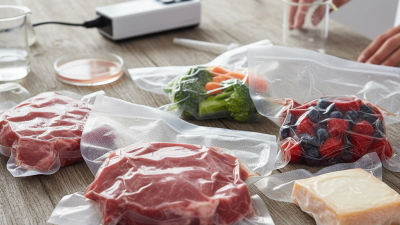
Vacuum sealing shrimp is a fantastic method for maintaining their freshness. This process seals in flavor while protecting them from freezer burn. When done properly, vacuum sealing shrimp can extend their shelf life significantly.
To vacuum seal shrimp, it’s essential to start with high-quality seafood. The first step involves cleaning and deveining the shrimp. This task requires care and precision for the best results. Once prepped, many people overlook the importance of drying shrimp before sealing. Moisture can ruin the vacuum seal.
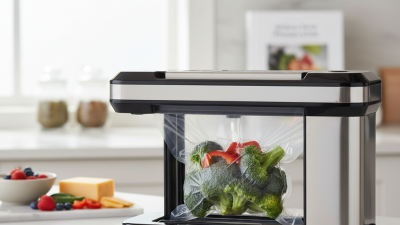
Using a vacuum sealer is simple, yet some challenges may arise. It's not uncommon to struggle with sealing delicate shrimp without crushing them. You may need to experiment with settings to find what works best. Paying attention to details like proper bag size and sealing technique can improve your results. Despite the occasional mishap, vacuum sealing shrimp remains a reliable way to enjoy freshness at home.
Best Practices for Vacuum Sealing Shrimp to Extend Shelf Life
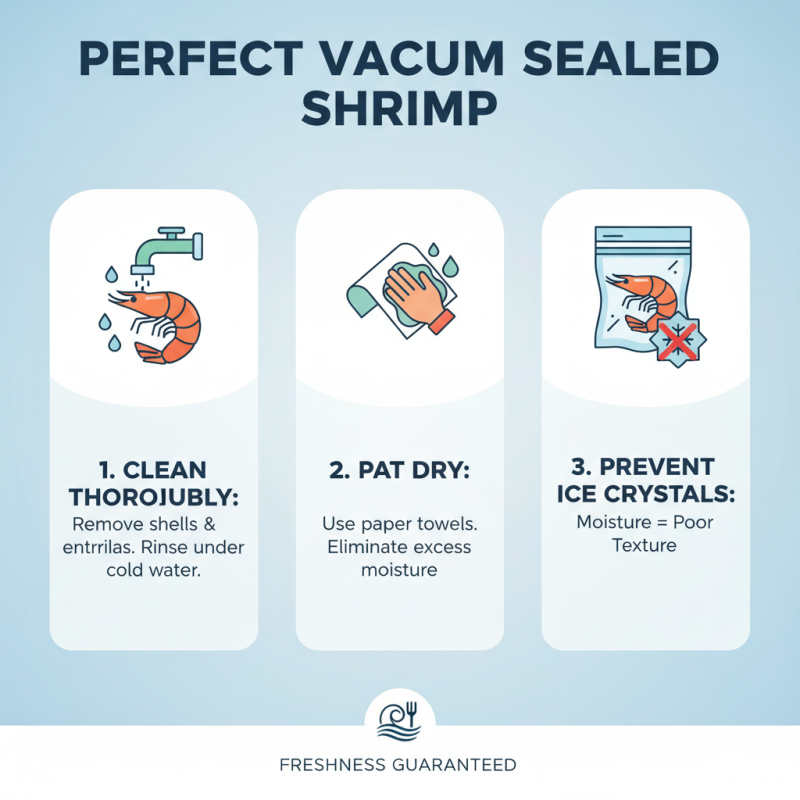
Vacuum sealing shrimp is essential for preserving its freshness. The right practices can greatly extend its shelf life. Start by cleaning the shrimp thoroughly. Remove shells and tails. Pat them dry with a paper towel. Excess moisture can lead to freezer burn.
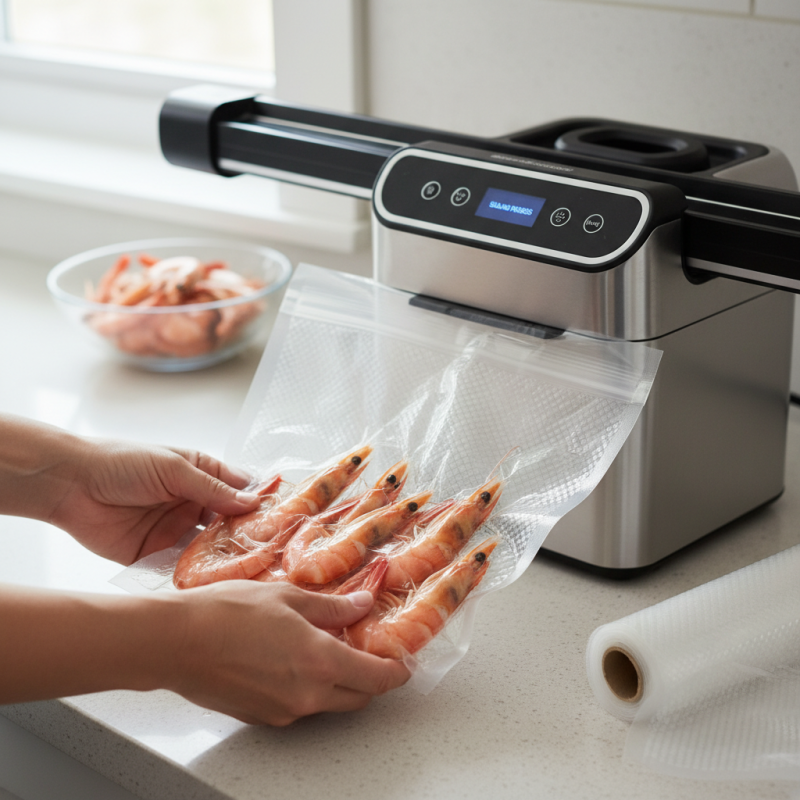
When vacuum sealing, use high-quality bags. They should be designed for freezing. A common mistake is choosing the wrong bag. This could compromise the seal. Arrange shrimp in a single layer. Avoid overcrowding. Seal the bags tightly, removing as much air as possible.
Tips: Use a straw to suck out extra air if you don’t have a vacuum sealer. Label the bags with the date. It helps track freshness. If shrimp are not vacuum sealed properly, they may spoil faster. A little attention goes a long way.
Understanding Shrimp Freshness: Key Temperatures and Storage Duration
When it comes to storing shrimp, understanding freshness is crucial. Fresh shrimp should be kept at 32°F (0°C) to maintain quality. If you plan to use shrimp within a day or two, store it in the coldest part of your fridge. For longer storage, freezing is the best option. However, improper handling can lead to a loss of flavor and texture.
Tips: Use ice packs to ensure a consistent temperature. If you notice any off smells or unusual colors, it's time to discard the shrimp. Always use airtight containers or vacuum seal bags for freezing. This prevents freezer burn, which can ruin shrimp.
Keep in mind that shrimp can last up to six months in the freezer. However, quality may degrade over time. It's not uncommon to find that shrimp loses its texture after a while. Always label your packages with the date. This helps track freshness and avoid guesswork later on. Storing shrimp properly is important to retain its flavor and quality.
Selecting the Right Vacuum Seal Bags for Shrimp Preservation
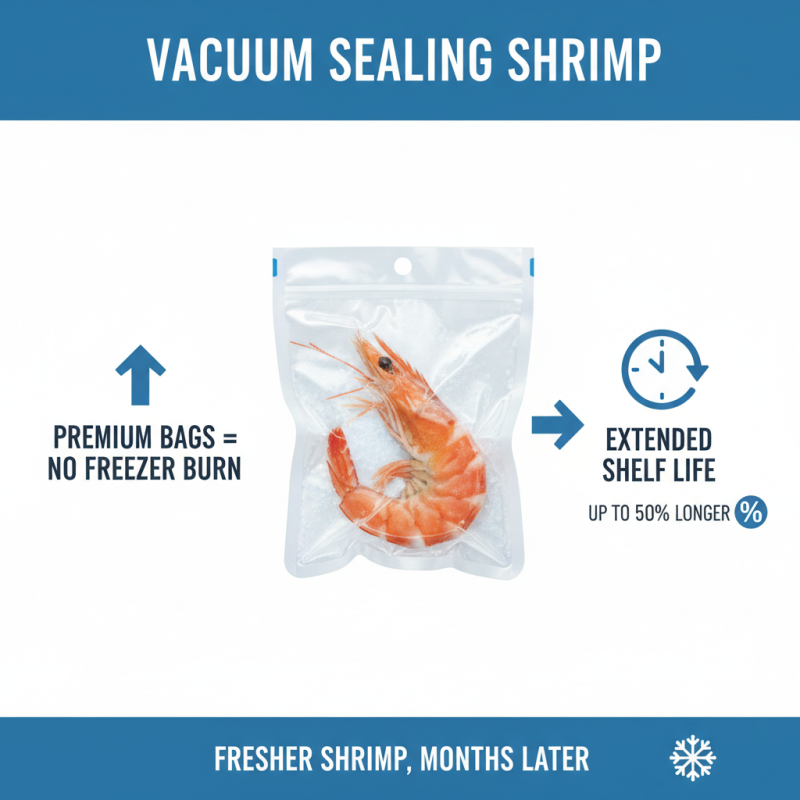
When it comes to vacuum sealing shrimp, selecting the right vacuum seal bags is crucial. Premium quality bags prevent freezer burn. According to industry data, using high-barrier vacuum bags can extend the shelf life of seafood by up to 50%. This means fresher shrimp, even after months in the freezer.
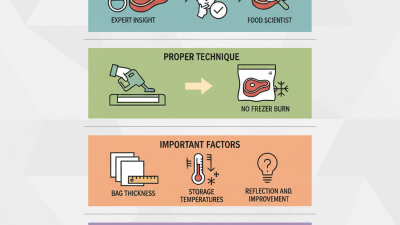
Opt for bags that are BPA-free and made of durable material. Thickness is essential; bags should be at least 3 mils thick to withstand freezing conditions. Additionally, textured surfaces enhance sealing. They create a tight seal and lessen air exposure. Research indicates that a proper seal can reduce oxidation, making shrimp taste fresher for longer.
It’s worth noting that not all vacuum bags are equal. Some may tear or weaken during use. This can lead to spoilage. Avoid compromising on quality when selecting bags. Price is tempting but do not sacrifice essential features. Ultimately, the right vacuum seal bag is an investment in shrimp longevity and quality.
Step-by-Step Guide to Properly Vacuum Seal Shrimp at Home
Vacuum sealing shrimp is essential for maintaining freshness and extending storage life. The process prevents freezer burn and preserves flavor, keeping shrimp safe for months. Studies show that vacuum-sealed seafood can last up to three times longer than conventional storage. Many enthusiasts recommend a methodical approach to vacuum sealing.
Begin by selecting high-quality shrimp. Rinse them under cold water and pat dry with a paper towel. Sorting shrimp by size can also enhance the vacuum sealing process. Once ready, use a vacuum sealer, but don't overcrowd the bag. Allow enough space for proper sealing. Remember, shrimp contain moisture, so use a moisture setting if available.
After sealing, it's vital to label each bag with the date. An estimated 30% of seafood goes to waste due to improper storage practices. Keeping track of freezing dates helps minimize waste. It's also worthwhile to note that not all seals are perfect. Regularly check for leaks, as a small breach can compromise freshness. Taking these steps can help you enjoy shrimp at its best, even months after sealing.
Best Ways to Vacuum Seal Shrimp for Storage and Freshness
| Method |
Steps |
Storage Duration |
Tips |
| Freezing Method |
1. Clean and devein shrimp. 2. Pat them dry. 3. Place in vacuum seal bag. 4. Vacuum seal the bag. |
6-12 months |
Ensure no air is left in the bag for optimal freshness. |
| Brining Method |
1. Create a brine solution (water + salt + optional spices). 2. Soak shrimp for 15-30 minutes. 3. Pat dry and vacuum seal. |
3-6 months |
Brining enhances flavor and helps with texture preservation. |
| Cooking Method |
1. Cook shrimp until just opaque. 2. Cool shrimp. 3. Vacuum seal and store. |
2-3 months |
Cooking beforehand can enhance the shrimp's flavor and shelf-life. |
| Fresh Method |
1. Ensure shrimp are fresh. 2. Place in vacuum seal bags without any added liquid. 3. Vacuum seal. |
2-3 months |
Use as soon as possible after sealing for best results. |
Common Mistakes to Avoid When Vacuum Sealing Shrimp for Storage
When vacuum sealing shrimp, avoiding common mistakes is crucial for maintaining freshness. One significant error is not properly cleaning the shrimp before sealing. Ensure that all shells and entrails are removed. Rinsing the shrimp under cold water is a good practice. Dry them thoroughly with a paper towel to reduce moisture. Excess water can lead to ice crystals developing, which will affect texture.
Another mistake is not using the right vacuum bag. Thin or flimsy bags may not seal properly. It's important to choose bags designed for vacuum sealing. This ensures they can withstand freezing temperatures without breaking. Additionally, overfilling the bags can lead to air pockets. Leave enough space at the top for a proper seal.
Tips: Always label the bags with the date and contents. Using the right storage time helps maintain shrimp quality. Also, avoid vacuum sealing shrimp that have already been frozen. Refreezing can degrade texture and flavor. When done correctly, vacuum sealing can extend the shelf life of shrimp for months.