2026 Best Vacuum Packaging Film Options for Food Preservation?
Vacuum packaging has revolutionized food preservation. Expert Dr. Anna Mitchell states, "The right Vacuum Packaging Film can significantly extend shelf life." This insight highlights the importance of choosing the best film for your needs.
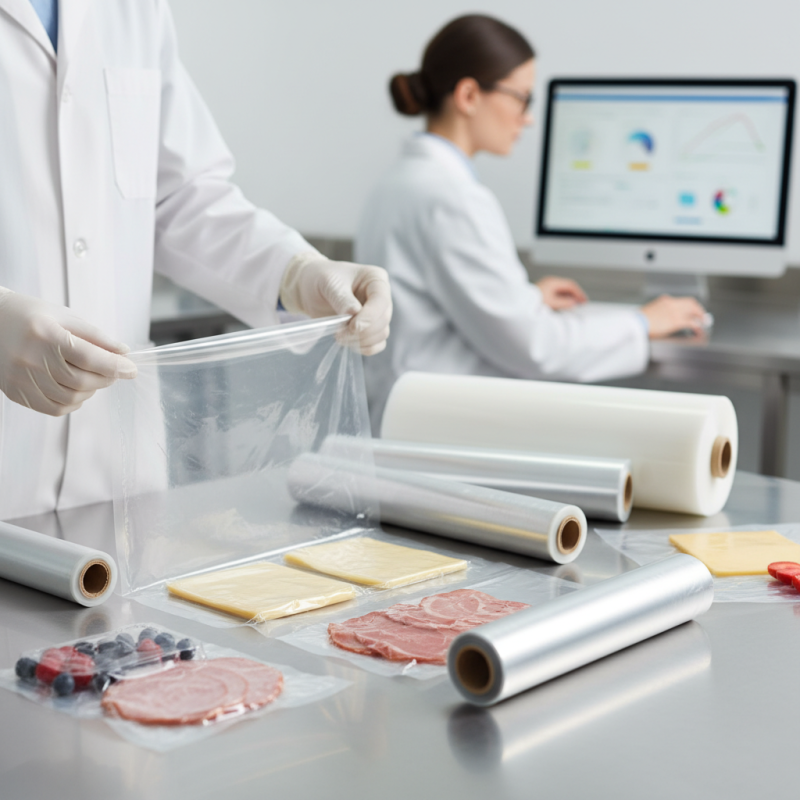
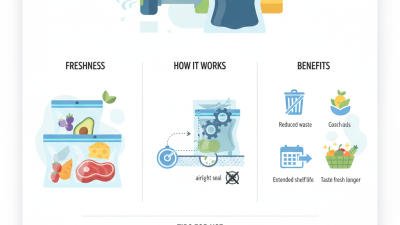
Vacuum Packaging Film prevents air exposure. This process minimizes spoilage and keeps food fresh. High-quality films offer durability and effective sealing. However, not all films are created equal. Some may compromise on clarity or strength.
Food safety must always be a priority. Relying on inferior films can lead to contamination. Choosing the right vacuum packaging film is a thoughtful process. Each option presents unique benefits and drawbacks. Careful consideration is essential for optimal results.
The Importance of Vacuum Packaging for Food Preservation
Vacuum packaging is a vital technique for extending the shelf life of food. It removes air from the packaging, reducing oxidation and inhibiting spoilage. According to the Food and Drug Administration, vacuum-sealed foods can last three to five times longer than conventionally stored items. This is crucial in preventing food waste, which is a growing global issue.
Notably, some studies suggest that improper vacuum packaging can lead to food quality issues. For instance, if the seal is not tight, air can seep back in, compromising food safety. It's important to choose the right material, as not all films are created equal. A report by the Institute of Food Technologists indicates that certain plastic films can only withstand limited temperatures, which can impact food preservation.
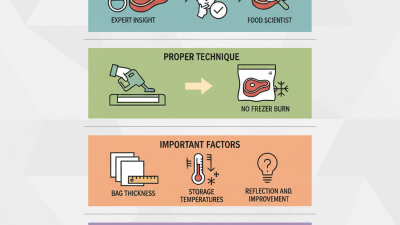
While vacuum packaging offers benefits, it’s not foolproof. Consumers often overlook best practices, resulting in potential hazards. Without proper storage conditions, even vacuum-sealed items may spoil. Striking a balance between convenience and safety is crucial. Therefore, continuous education and improvement in vacuum sealing techniques are needed to enhance food preservation efforts.
Key Features to Look for in Vacuum Packaging Films
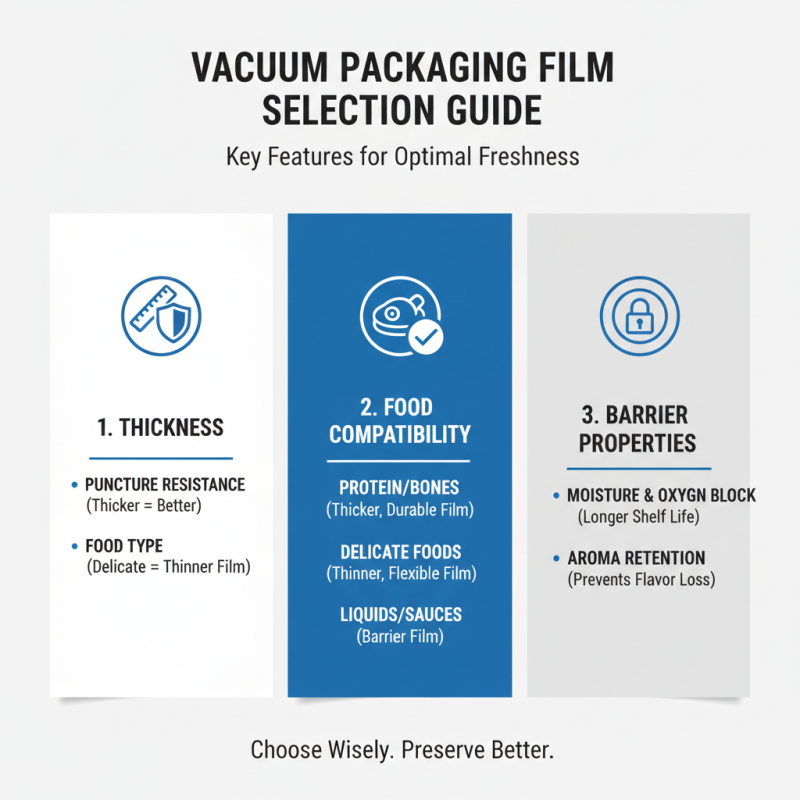
When selecting vacuum packaging films, several key features matter. Thickness is essential. Thicker films often provide better puncture resistance. Ensure the film fits your type of food. Not all foods require the same thickness. A delicate item might need a thinner film for proper sealing.
Look for films that have excellent barrier properties. They should protect against air, moisture, and light. This helps keep food fresh longer. Clear films allow visibility. This can be appealing, especially for showcase items. However, opaque films might offer better protection from light.
Tips: Always test a sample of the film before bulk buying. Ensure that it seals properly with your machine. Consider environmental factors. Some films are compatible with freezing, while others are not. Pay attention to storage conditions. A bad seal can lead to spoilage, even if the film is strong.
Top Brands and Products in Vacuum Packaging Films for 2026
When it comes to food preservation, choosing the right vacuum packaging film is crucial. In 2026, options abound, each with unique benefits. Many films boast strong seals, ensuring freshness for extended periods. Some are made from eco-friendly materials, appealing to environmentally conscious consumers. Others prioritize durability, resisting punctures and tears during storage.
The market offers a variety of thickness options. Thicker films generally provide better protection but can be less flexible. Consider how you will use them. Do you need bags for bulk items or smaller portions? Different films may cater to different needs. Keep in mind that not all films perform equally; some may lose their sealing strength over time.
User experiences vary. Some prefer films that are easy to cut and seal, while others look for those that adhere well to various shapes. Testing a few types can reveal surprising insights. Staying informed about new developments can lead to finding the ideal match for your kitchen needs.
2026 Best Vacuum Packaging Film Options for Food Preservation
| Film Type |
Thickness (microns) |
Temperature Resistance (°C) |
Length (meters) |
Roll/Sheet |
| Multi-layer Barrier Film |
90 |
-40 to 70 |
300 |
Roll |
| Heavy-Duty Vacuum Bags |
120 |
-50 to 90 |
150 |
Sheet |
| Standard Vacuum Film |
80 |
-30 to 60 |
200 |
Roll |
| Clear Garment Vacuum Bags |
100 |
-20 to 50 |
100 |
Sheet |
| Micro-perforated Vacuum Film |
70 |
-30 to 60 |
250 |
Roll |
Comparing Material Types: Plastic vs. Polyethylene in Vacuum Films
When choosing vacuum packaging films for food preservation, material type matters significantly.
Plastic and polyethylene films are two common options.
Plastic films can provide a tight seal and are often more transparent.
This clarity allows for easy visibility of the contents. However, they may not always be as breathable as polyethylene.
Polyethylene films, on the other hand, offer good flexibility and resistance to moisture.
They might be less costly, but they may not provide the same durability as some plastic options.
Users often find polyethylene easier to work with, especially for larger items.
Think about the food types you want to store. Each material serves specific needs.
Tips: Consider the type of food you’re storing.
Use thicker films for items with sharp edges. Test both materials to find which works best for your storage method.
Remember, not every material suits every purpose. Being aware of these factors can help maintain food quality longer.
Don't blindly choose—experiment to see what holds up best in your kitchen.
Best Practices for Using Vacuum Packaging Films Effectively
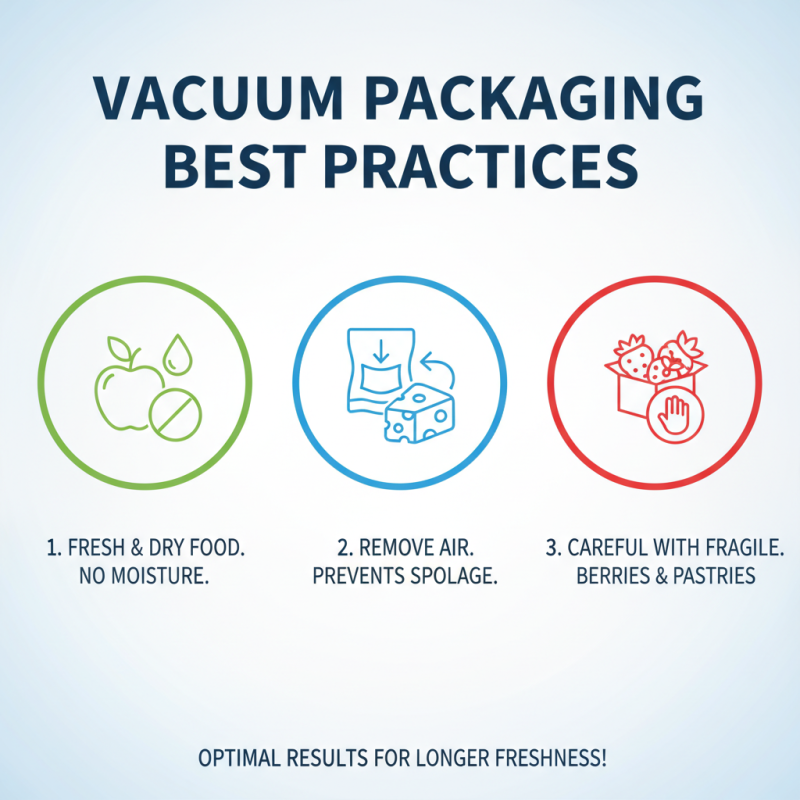
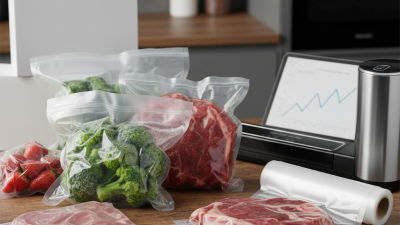
When using vacuum packaging films, it's crucial to follow best practices for optimal results. Start by ensuring that the food is fresh and dry. Moisture can create a barrier, preventing a tight seal. Vacuum sealing prevents air from spoiling your food. However, it’s easy to damage delicate items. Take care with fragile foods like berries and pastries.
Select the right thickness of the film for your specific needs. A thicker film is more durable, while thinner options may allow for easier handling. Pay attention to the bag's texture, as this can affect sealing quality. Overfilling bags can lead to uneven seals and potential spoilage.
Make sure to use the right setting on your vacuum sealer. Different modes exist for moist and dry foods. Experiment with a few options, as this can impact the vacuum quality. After sealing, check the integrity of the seal. Look for any visible air pockets or leaks. A perfect seal may not always happen on the first try, but learning from mistakes is part of the process.