Best Vacuum Bags for Meat How to Choose the Right One?
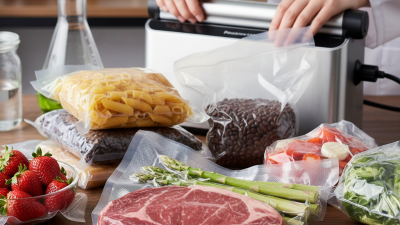
Choosing the right vacuum bags for meat can be a game-changer in food storage. Vacuum bags meat play a crucial role in preserving flavor and freshness. They are designed to seal out air, which helps prevent freezer burn. However, not all vacuum bags are created equal.
When selecting vacuum bags meat, consider the material. High-quality, heavy-duty bags offer better protection. Look for bags that are BPA-free to ensure safety. Pay attention to size as well; it matters for different cuts and portions of meat.
Many people might overlook the importance of proper sealing. An inadequate seal can lead to spoilage. Always ensure that the bags are compatible with your vacuum sealer. Investing time in choosing the right product is vital for food quality. Remember, a poor choice in vacuum bags could lead to wasted money and food.
Understanding Different Types of Vacuum Bags for Meat Preservation
When it comes to preserving meat, selecting the right vacuum bag is crucial. There are various types available, each designed for specific needs. Some bags are made for sous-vide cooking, while others are thicker, ideal for freezing. Understanding these differences can help in making an informed choice.
The material of the vacuum bag matters significantly. Heavy-duty bags offer better durability compared to standard ones. If you plan to freeze meats for long periods, thicker bags prevent freezer burn. However, they may not work well for all types of cooking methods. For instance, sous-vide bags must withstand heat without leaching chemicals.
It's essential to consider the size of the bags too. Smaller bags can be convenient for individual servings, while larger ones are perfect for bulk storage. Keep in mind, using the wrong size can lead to wasted space. So, evaluating your storage needs beforehand can improve efficiency. Ultimately, choosing the right bag for meat preservation is a balance between functionality and safety.
Best Vacuum Bags for Meat How to Choose the Right One?
| Type of Vacuum Bag |
Material |
Best for |
Temperature Resistance |
Thickness |
| Chamber Vacuum Bags |
Nylon/Polyethylene |
Commercial Meat Preservation |
-20°C to 90°C |
4 mil |
| External Vacuum Bags |
Plastic Polyethylene |
Home Use & Freezer Storage |
-30°C to 70°C |
3 mil |
| Heavy-Duty Vacuum Bags |
Multi-Layer Nylon |
Long-Term Storage |
-40°C to 100°C |
5 mil |
| Sous Vide Bags |
BPA-Free Plastic |
Sous Vide Cooking |
-20°C to 95°C |
3.5 mil |
Key Features to Look for in Meat Vacuum Bags
When choosing vacuum bags for meat, several key features matter. Look for durable materials that prevent tears. Stronger bags ensure your meat stays fresh longer. Check the thickness too. Thicker bags usually provide better protection from freezer burn.
Consider the sealing capability as well. A reliable seal prevents air leaks. Air in the bag can spoil your meat. Also, choose bags that are compatible with your vacuum sealer. Compatibility affects efficiency and food safety.
Finally, think about size. Larger bags accommodate bigger cuts of meat. But smaller bags can help portion control. Sometimes, poor sizes lead to wasted food. Keep these aspects in mind to enhance your meat storage experience.
Best Vacuum Bags for Meat - Key Features Analysis
How to Choose the Right Size of Vacuum Bags for Your Meat
Choosing the right size of vacuum bags for your meat is crucial. Proper sizing ensures an effective seal, reducing air exposure that can lead to freezer burn. When selecting, consider the type and cut of your meat. Larger cuts, like roasts, require bigger bags. Smaller portions, such as chicken breasts or steaks, can fit in more compact bags.
It can be tempting to use a bag that seems "good enough." However, this can lead to issues. A bag that’s too small may not seal well, allowing air to leak in. A bag that’s too large can waste storage space. Measure your meat accurately before purchasing bags.
Think about how you store meat too. If you often freeze large batches, choose bags that accommodate bulk packaging. If you prefer smaller portions, select bags that allow easy separation. This approach saves time and helps avoid defrosting the entire batch. Remember, using the right size bag directly impacts the quality of your meat. Ignoring this may lead to disappointing results.
Comparing Disposable vs. Reusable Vacuum Bags for Meat
When it comes to vacuum packing meat, the choice between disposable and reusable vacuum bags can be significant.
Disposable bags are convenient. They are typically used once and thrown away. This aspect makes them great for quick tasks.
However, their environmental impact is substantial. Single-use plastics contribute to waste. Many consumers may overlook this crucial factor.
On the other hand, reusable vacuum bags offer a more sustainable option. They are generally made from durable materials and can last for many uses.
These bags save money in the long run. After several uses, they become a cost-effective choice. However, they require proper cleaning and maintenance.
Some users find this aspect cumbersome.
Choosing the right vacuum bag for meat involves weighing these factors. Consider how frequently you plan to vacuum seal.
The frequency of use can influence the decision. Personal preferences play a role too. Some prefer the ease of disposable bags.
Others may value sustainability over convenience. Each option has its own set of pros and cons.
Tips for Proper Use and Maintenance of Vacuum Bags for Meat
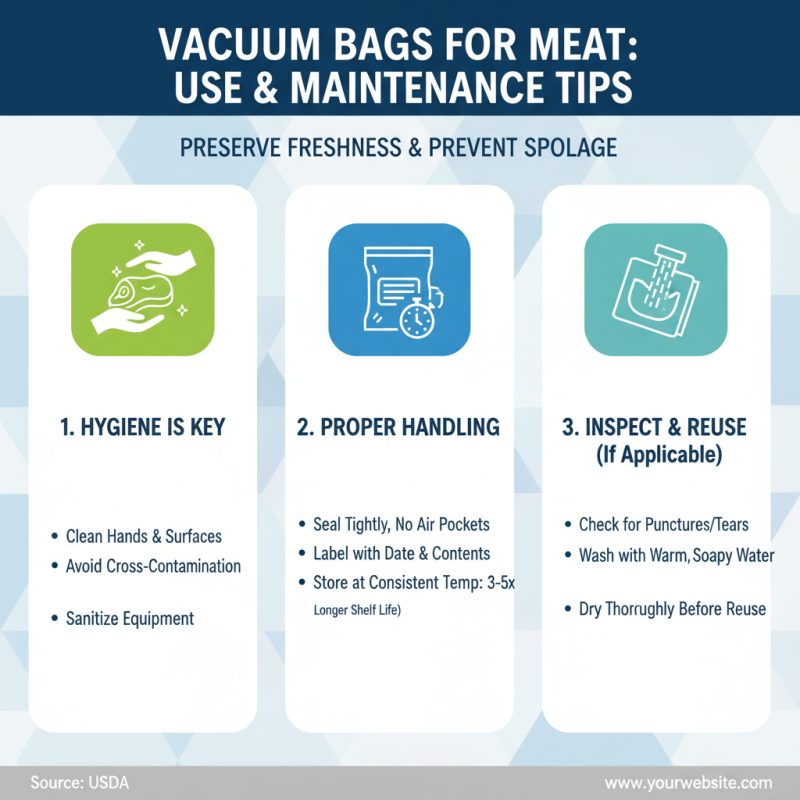
When using vacuum bags for meat, proper care is essential for preserving freshness and preventing spoilage. According to the USDA, vacuum packaging can extend meat shelf life by three to five times compared to traditional methods. However, this benefit is contingent on how you handle the bags. Clean hands and surfaces are vital. Any contact with contaminants can lead to cross-contamination.
Storage conditions also play a critical role. Vacuum-sealed meat should be kept in the refrigerator at 32°F to 36°F (0°C to 2°C) or frozen for long-term storage. Not adhering to these guidelines can compromise meat quality. It's vital to check for tears or punctures in the bags before sealing. Damaged bags may allow air to enter, leading to oxidation and spoilage.
Although vacuum bags are effective, many users overlook maintenance. Regularly inspect the sealing area, ensuring no food residue remains. Residue can cause leaks and spoilage. Additionally, reusing bags may seem economical but can pose risks if they are not thoroughly cleaned. Be mindful, as improper use can render even the best vacuum bags ineffective.