Discover the Best Sealer Bags for Your Packaging Needs?
When it comes to packaging, the right tools can make all the difference. Sealer bags are essential for keeping products fresh and protected. These versatile bags offer many options, making them ideal for various needs.
Selecting the best sealer bags requires careful consideration. Different materials provide different levels of protection. Not all bags are created equal. Some may seal well but tear easily. Others could be durable but difficult to seal. Price is also a factor. A lower price often means sacrificing quality. It’s crucial to find a balance.
As you explore options, think about your specific requirements. Are you sealing food, documents, or fragile items? Each use case demands a different type of sealer bag. Understanding these needs can help guide your choices effectively. Your packaging process should reflect both functionality and reliability. Take time to evaluate what truly works for you.
Understanding the Different Types of Sealer Bags Available
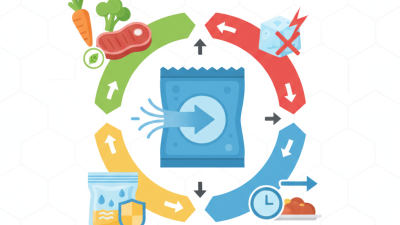
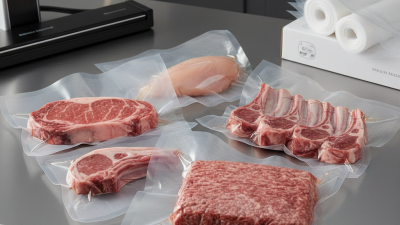
When it comes to choosing sealer bags, different types serve various packaging needs. A recent report by the Flexible Packaging Association highlights that about 52% of food products utilize flexible packaging. This statistic indicates the widespread reliance on sealer bags for ensuring product freshness and safety. A popular type is the vacuum sealer bag, which removes air to extend shelf life. Many households and businesses use these bags for storage and preservation.
Another noteworthy option is the heat-seal bag, favored in commercial settings. These bags are often made of polyethylene or polypropylene, providing durability and an excellent barrier against moisture and air. According to a study by the Institute of Packaging Professionals, heat-sealed bags can significantly reduce spoilage, leading to lower waste rates. However, not all businesses implement this method, resulting in inefficiencies in packaging processes that require reflection.
Consider also the resealable bags, which offer convenience for consumers. They allow easy access while maintaining product integrity. Yet, their effectiveness heavily relies on proper sealing techniques and user education. A 2022 survey found that over 30% of users experienced malfunctioning seals, emphasizing the need for improved instructions. Addressing these common challenges can enhance user experience and product safety in packaging.
Key Features to Look for in High-Quality Sealer Bags
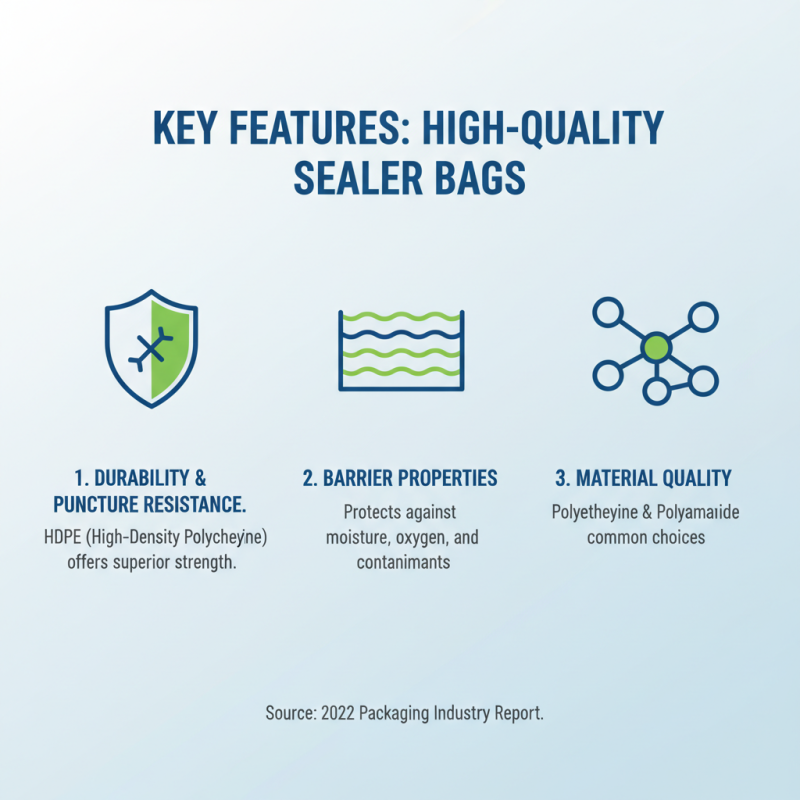
High-quality sealer bags play a crucial role in effective packaging. When selecting sealer bags, consider several key features. One critical aspect is material quality. Polyethylene and polyamide are popular choices due to their durability and barrier properties. According to a 2022 packaging industry report, bags made from high-density polyethylene (HDPE) are known to offer better resistance to punctures and tears.
Another feature to examine is the sealing mechanism. Heat sealing provides a reliable and airtight seal, which is essential for moisture-sensitive products. A study revealed that bags with a strong heat seal extend product shelf life by up to 50%. Additionally, consider the thickness of the bags. Thicker bags typically offer better protection and durability, which is vital for maintaining product integrity during shipping.
Tips: Look for bags with multi-layer construction. This adds extra protection against external elements. Pay attention to bag size as well, ensuring they fit your products snugly to minimize movement and potential damage. Remember, even small imperfections in seals can lead to contamination. Always test your chosen bags with your products to ensure compatibility.
Comparing Sealer Bags: Vacuum vs. Ziplock vs. Heat Seal
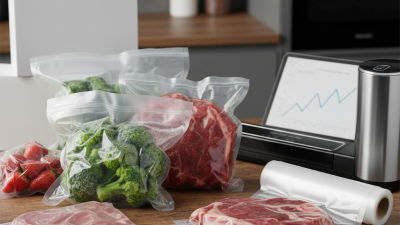
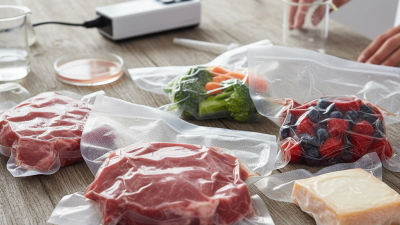
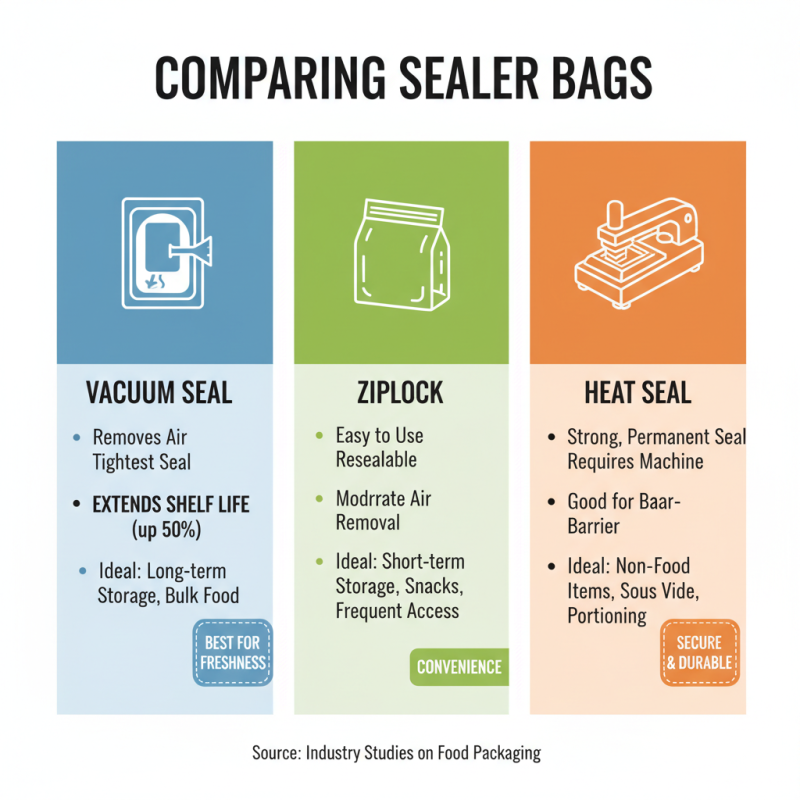
When choosing the right sealer bags, understanding their distinctions is crucial for efficient packaging. Vacuum bags are designed to remove air and create a tight seal, enhancing shelf life. According to industry studies, vacuum sealing can reduce food spoilage by up to 50%. This makes them ideal for long-term storage and bulk items.
Ziplock bags are user-friendly and versatile. They provide convenience for everyday use but do not offer the same protection as vacuum bags. A recent report noted that more than 60% of consumers prefer Ziplock for short-term storage. However, they may allow air seepage, leading to quicker spoilage.
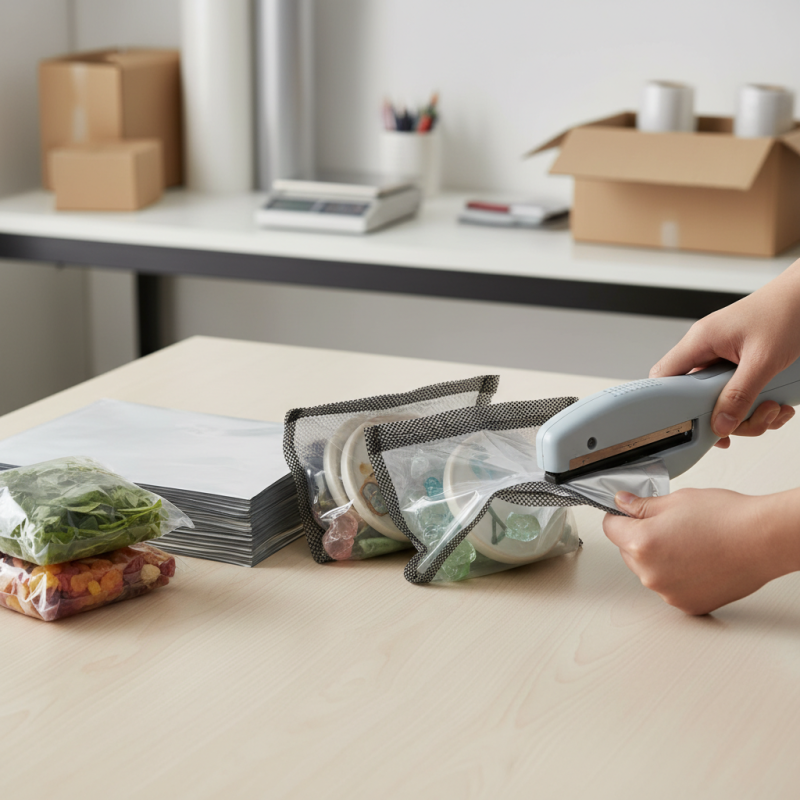
Heat seal bags are perfect for businesses. They create an airtight seal, offering durability and protection. However, heat sealing requires specific equipment, which can be a barrier for some users. As per market data, businesses that switch to heat seal technology see a 30% increase in packaging efficiency. This option may seem perfect, but the initial investment warrants careful consideration. Choosing the right type often involves weighing convenience against protective qualities.
How to Choose the Right Size of Sealer Bag for Your Needs
Choosing the right size of sealer bag for your needs can be more complex than it seems. Many people overlook the importance of size when selecting a sealer bag. A bag too small can lead to spills or damage, while a bag that’s too large may cause wasted space or additional costs.
Measure the items you plan to store carefully. Consider their dimensions and shapes. For irregularly shaped items, opt for bags that allow for some extra room. This not only ensures protection but also makes packing easier. It’s essential to think about the type of items, such as food or documents, as their requirements differ.
Reflect on the volume of items. Are you sealing individual items or bundles? If you find yourself frequently repacking, adjust your bag sizes accordingly. An oversized bag may seem convenient but can lead to air pockets that affect preservation quality. Pay attention to these details. They can make or break the efficiency of your packaging efforts.
Sealer Bags Size Distribution for Packaging Needs
Tips for Properly Using and Storing Sealer Bags
When using sealer bags, proper techniques are essential to ensure their effectiveness. Studies show that sealing at optimal temperatures can reduce food spoilage by up to 40%. It's crucial to preheat the sealing machine adequately. Many users overlook this simple step, risking ineffective seals. The bag edges should align neatly before sealing to prevent leaks. Regular maintenance of sealing equipment also enhances performance.
Storage conditions play a significant role in maintaining the integrity of sealer bags. Sealed bags should be kept in a cool, dry place. Exposure to direct sunlight can compromise the material, leading to degradation. A 2022 report noted that 25% of users failed to store bags correctly, resulting in compromised freshness. Furthermore, using vacuum-sealed bags for moist items may lead to container failure if not appropriately dried beforehand. This kind of oversight can lead to spoilage and waste.
While sealer bags are versatile, they require thoughtful handling. Users should periodically check for any signs of wear or deterioration. Bag thickness matters; thinner materials can tear easily. It's common for users to underestimate how a simple tear can ruin an entire batch of stored goods. Understanding these factors can improve durability and performance significantly. Each step in handling sealer bags deserves careful attention to detail.