Top 10 Benefits of Using Chamber Vacuum Bags for Food Storage?
In the world of food storage, Chamber Vacuum Bags have emerged as a game changer. According to a 2022 study by Food Safety Net Services, improper storage accounts for up to 40% of food waste. Chamber Vacuum Bags can significantly extend the shelf life of perishable items. This makes them vital for both households and businesses.
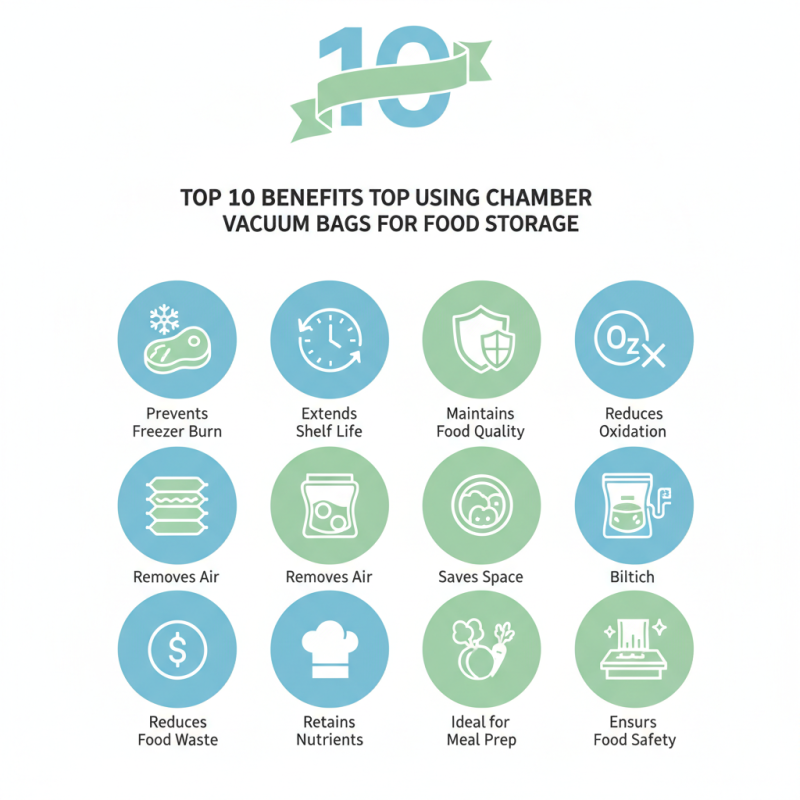
These bags prevent freezer burn and maintain food quality. By removing air, they reduce oxidation, which can spoil food quickly. A report by the Food Marketing Institute shows that 30% of consumers are now opting for vacuum-sealed options, driven by the desire for freshness. However, awareness of best practices in vacuum sealing is still lacking. Many people make mistakes that prevent optimal results.
Chamber Vacuum Bags offer numerous advantages, yet they are often underutilized. There is a need for better education on using these bags. People often overlook the importance of quality bags over cheaper alternatives. By investing in good products, they can maximize the benefits of their food storage efforts. This makes a compelling case for understanding and utilizing Chamber Vacuum Bags effectively.
Advantages of Chamber Vacuum Bags in Food Preservation
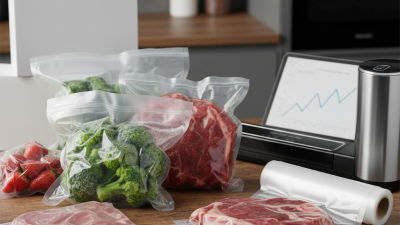
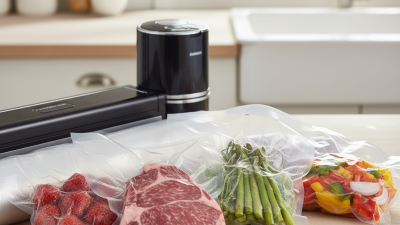
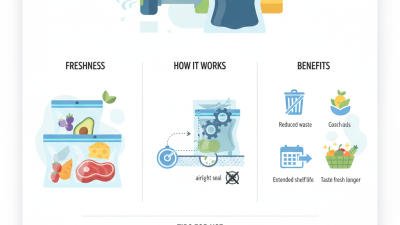
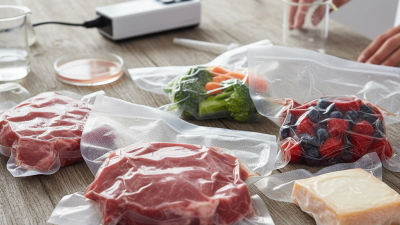
Chamber vacuum bags offer significant advantages for food preservation. These bags create a tight seal, fully removing air from the packaging. This process reduces oxidation, which can lead to spoilage. It extends the freshness of meats, cheeses, and vegetables. Foods stored in chamber vacuum bags last longer in the fridge or freezer.
Using chamber vacuum bags also helps retain flavor. By minimizing exposure to air, the original taste of the food remains intact. You can enjoy the same delicious meals days or weeks later. You'll also save money by reducing food waste. Fresh ingredients can be stored for longer periods without deterioration.
**Tip:** When using chamber vacuum bags, ensure they are clean and dry before sealing. This prevents contamination and enhances preservation.
One downside might be the initial investment in a vacuum sealer. The cost can feel overwhelming for some. However, think about the ongoing savings from reducing waste. Review your usage patterns and storage needs. It’s a decision worth pondering.
**Tip:** Experiment with different food types to understand how they react in storage. Not all foods benefit equally from vacuum sealing.
Improved Shelf Life of Stored Foods with Vacuum Sealing
Vacuum sealing is a game-changer for food storage. It significantly improves the shelf life of stored foods. By removing air, it slows down spoilage and keeps flavors intact. This method keeps food fresher and more delicious for longer periods. Without exposure to air, oxidation and freezer burn become less of a concern. Thus, fruits, vegetables, and meats retain their nutrients and textures.
Improved shelf life is especially evident with meats. When vacuum sealed, they can last months longer in the freezer. Vegetables also maintain their color and vitality without the risk of freezer burn. Prepared meals have less chance of developing unpleasant odors. However, it requires careful consideration of sealing times and bag quality. Improper sealing can lead to frustration when food spoils.
Many people overlook the importance of proper vacuum sealing techniques. Knowing how to utilize chamber vacuum bags effectively can make a significant difference. There's a learning curve, and not every attempt will be perfect. But the rewards of extended freshness are worth the effort.
Protection Against Freezer Burn and Spoilage
Using chamber vacuum bags can significantly reduce the risk of freezer burn and spoilage. According to a study by the USDA, up to 30% of frozen food can suffer from freezer burn, leading to taste and texture issues. Chamber vacuum bags seal out air, which is a key factor in the formation of freezer burn. When food is exposed to air, moisture evaporates, leading to unappealing, dried-out products.
These bags provide an airtight seal that dramatically slows down oxidation. A report from the Packaging Association notes that vacuum-sealed foods can last up to five times longer than conventional storage methods. Not only does this prevent spoilage, but it also retains nutrients. For example, frozen vegetables stored in vacuum bags retain up to 90% of their vitamins, while those in traditional bags can lose up to 50%.
Despite these advantages, vacuum sealing is not always perfect. Improper sealing techniques or faulty bags can lead to air pockets. An air pocket can create conditions for bacteria to thrive. Some users may inadvertently seal moisture-laden foods, which can reduce shelf life. Thus, it's essential to consider vacuum sealing practices critically.
Space Efficiency and Organization in the Kitchen
When it comes to kitchen organization, chamber vacuum bags shine brightly. They not only save space but also keep your food fresh longer. According to recent industry reports, food storage accounts for nearly 30% of refrigerator space. By using vacuum bags, you can cut this down significantly. Studies show that vacuum-sealed food can last up to five times longer than traditional storage methods.
Imagine stacking neatly organized vacuum bags in your freezer. You can create extra room for other essentials. The vacuum sealing process reduces bulk, allowing for better organization. This is especially vital in smaller kitchens where space is limited. Plus, the transparency of these bags lets you easily spot items, simplifying meal prep.
However, some users find it challenging to adjust to the vacuum sealing process. It can take time to perfect sealing methods. Not everyone achieves the perfect bag right away. Mistakes may lead to wasted food or space. Yet, the benefits often outweigh the learning curve. Embracing vacuum storage can transform your kitchen into an efficient, tidy space.
Top 10 Benefits of Using Chamber Vacuum Bags for Food Storage
Environmental Benefits of Using Reusable Vacuum Bags
Using reusable vacuum bags provides significant environmental benefits. These bags are designed for multiple uses, reducing the need for single-use plastics. Each time you use a vacuum bag, you contribute to less waste in landfills. Fewer plastics end up in our oceans, preserving marine life and ecosystems.
Moreover, reusable vacuum bags are often made from durable materials. This durability means they can withstand various temperatures and conditions. Although they may require an initial investment, their longevity can lead to savings over time. However, it’s important to wash and maintain them, which some might overlook. Neglecting proper care can shorten their lifespan and negates their eco-friendly purpose.
Additionally, choosing these bags encourages more sustainable practices. It fosters a mindset of reducing waste rather than contributing to it. Still, it’s essential to remain mindful of our consumption habits. Using these bags alone won’t solve the plastic crisis. Awareness and changes in behavior are needed for lasting impact.