Why Use Vacuum Bags for Food Storage Benefits and Best Practices?
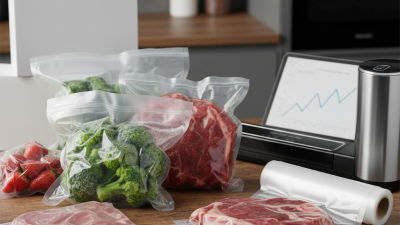
Vacuum Bags Food storage has gained popularity among households and professionals alike. Reports indicate that using vacuum sealing can extend the shelf life of food by up to five times compared to traditional methods. This is essential as food waste is a growing concern globally, with about one-third of all food produced being wasted. Vacuum bags help reduce this waste by preserving freshness and flavor while minimizing air exposure.
The benefits of using vacuum bags go beyond just extended shelf life. They help maintain the nutritional quality and texture of food items. Studies show that vacuum-sealed foods retain 90% of their color and flavor over time. However, it’s important to note that not all foods are suitable for vacuum sealing. High moisture content items can pose challenges and may require special techniques. Understanding these nuances is crucial for optimal results.
Choosing the right vacuum bags is key to effective storage. Many options exist, but selecting high-quality materials ensures better sealing and durability. Also, user experience may vary, emphasizing the need for proper technique and equipment. Each kitchen setup is unique, and experimenting with different practices can lead to better outcomes in food storage.
Benefits of Using Vacuum Bags for Food Storage
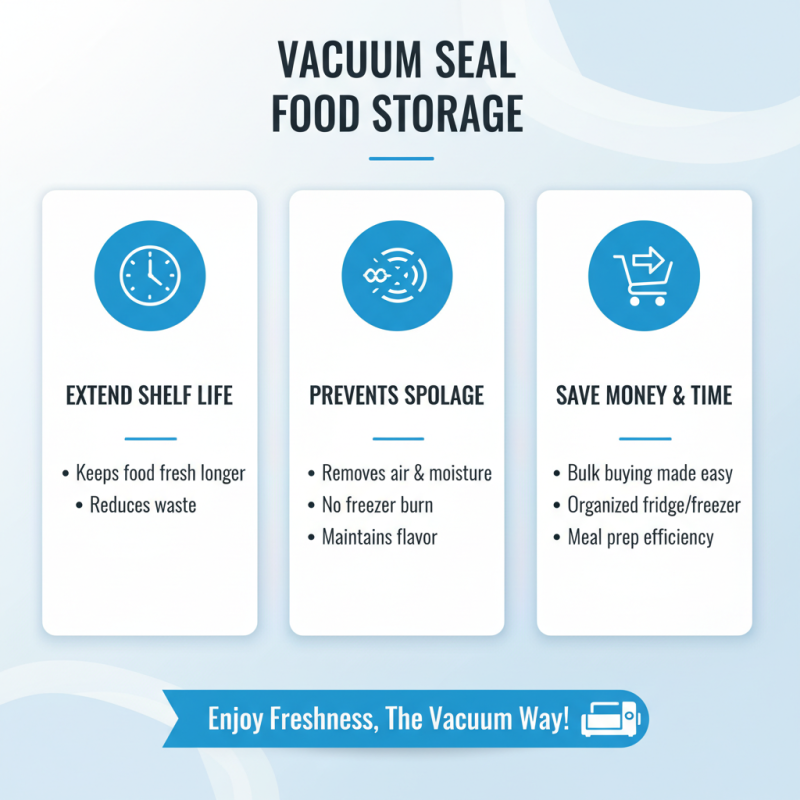
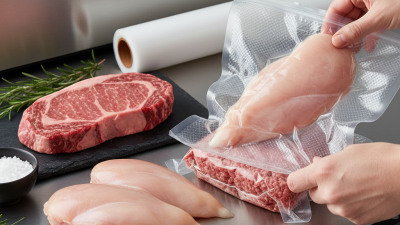
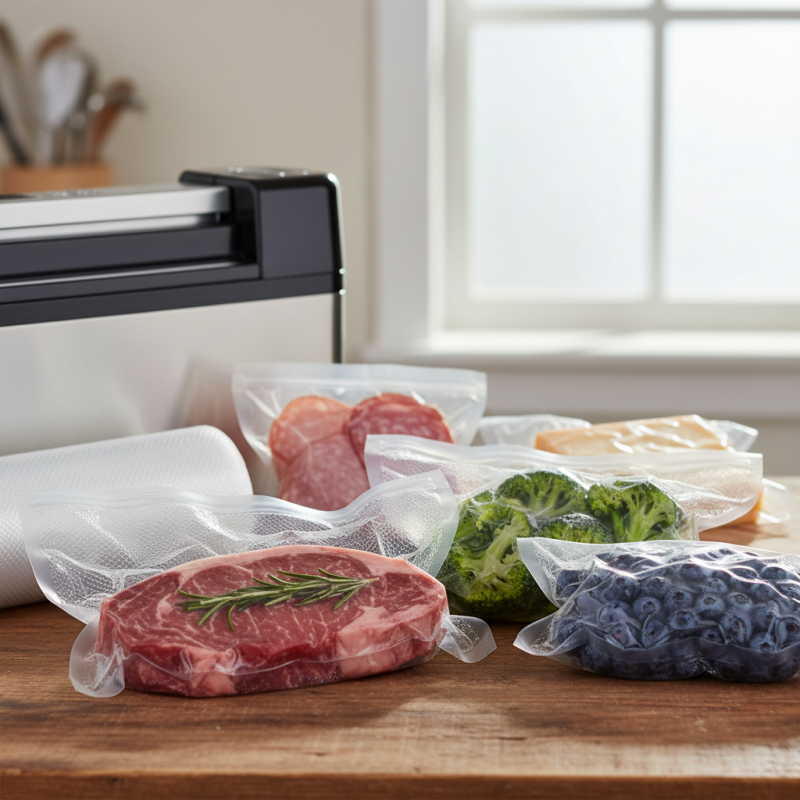
Vacuum bags offer numerous benefits for food storage. They can significantly extend food shelf life. By removing air, these bags prevent spoilage and freezer burn. This means your leftovers and bulk purchases last longer. Imagine opening a vacuum-sealed bag of steak months later, and it still tastes fresh. That's the magic of vacuum storage.
One tip is to portion food before sealing. Smaller portions are easier to thaw. You can pull out just what you need. Plus, always label your bags with dates and contents. This helps you keep track of what you have. Use a permanent marker or labels for clarity.
It’s important to check your vacuum seal. Sometimes the bags don't seal tightly. If your vacuum bag feels loose, reconsider how you’ve sealed it. An imperfect seal can lead to food waste. Vacuum sealing is great, but it requires attention to detail.
How Vacuum Sealing Preserves Freshness and Nutrients
Vacuum sealing is a game-changer for food storage. This method removes air from bags, which slows down spoilage. With less oxygen, fruits and vegetables stay crisp. The vibrant colors are preserved longer, making meals more appealing. Nutrients also remain intact, ensuring you eat healthy.
Tips: Always choose the right bag size. Too much space can lead to air pockets, which reduce efficiency. Label each bag with the date. This helps track freshness. Don’t overload bags; leave some space for sealing.
Remember, some foods don’t react well to vacuum sealing. Leafy greens may wilt. Cheese can change texture. Experiment to find what works for you. Overall, with careful practice, vacuum sealing can significantly extend your food's lifespan and quality.
Benefits of Vacuum Sealing for Food Storage
Best Practices for Vacuum Bag Food Storage Techniques
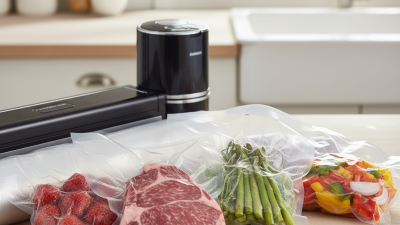
Vacuum bags are a game-changer for food storage. They help keep food fresh and flavorful. When using vacuum bags, remember to keep the food clean and dry. Moisture can ruin your food quickly. Always check for air pockets before sealing; they can lead to freezer burn.
When packing food, portion control is crucial. Small bags work better for snacks, while large bags are suitable for big meals. Label each bag with the date and contents. This simple step prevents spoilage and waste. Do not overload the bags. Leaving some space helps the vacuum seal work effectively.
It’s important to experiment with different foods. Certain items may not fare well in vacuum bags. Soft fruits can squash easily. Consider using a layer of paper towels for delicate items. Avoid using bags for liquids, as they can leak. Always think about the consequences of poor sealing. A failed vacuum seal can lead to wasted food. Be mindful and practice regularly for better results.
Comparing Vacuum Bags to Other Food Storage Methods
Vacuum bags provide a unique advantage in food storage compared to traditional methods. Unlike regular plastic bags or containers, vacuum sealing removes air. This slows bacterial growth and extends shelf life. For example, fruits and vegetables can stay fresh for weeks longer. Regular storage methods often lead to spoiled food and wasted money.
On the other hand, some may struggle with using vacuum bags. The sealing process can be challenging for beginners. They might not know how to avoid air pockets effectively. This can lead to spoilage, which defeats the purpose of vacuum sealing. Additionally, vacuum bags require proper storage conditions. If stored improperly, they can also be susceptible to punctures or tears.
When compared to methods like freezing or canning, vacuum bags offer a flexible option. They are lightweight and easy to handle. However, not all foods are suitable for vacuum packing. Moist foods, if not sealed correctly, can ruin the bags. It’s vital to research and consider all factors before switching to vacuum storage.
Common Mistakes to Avoid When Using Vacuum Bags
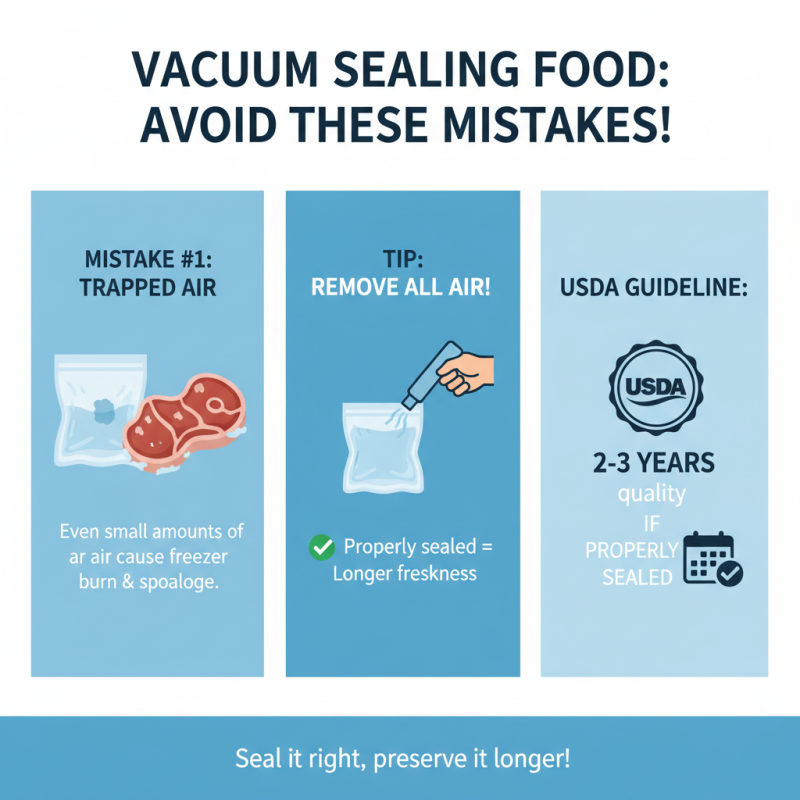
When using vacuum bags for food storage, many people unknowingly make mistakes that can spoil their efforts. One common error is not removing all the air from the bag. Studies show that even a small amount of air can lead to freezer burn and spoilage. The USDA reports that vacuum-sealed food can maintain its quality for 2-3 years, but only if properly sealed.
Another pitfall is overfilling the bags. Packing them too tightly inhibits the vacuum process. This can lead to compromised seals and accelerated spoilage. It is recommended to leave an inch of space from the top. Additionally, people often use regular plastic bags for vacuum sealing. These bags are not designed for the task and can fail, letting in air and moisture.
Temperature is crucial as well. Storing vacuum-sealed food in the wrong environment can negate its benefits. For instance, keeping vacuum-packed meat at an inconsistent temperature can lead to bacterial growth. It is essential to maintain a steady cold environment to ensure the food remains safe and fresh for longer.