2026 Top Food Vacuum Bag Trends for Home Preservation and Storage?
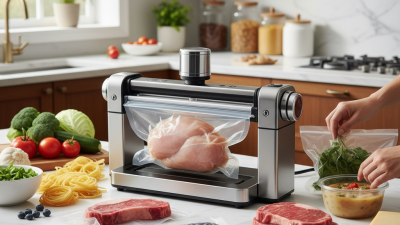
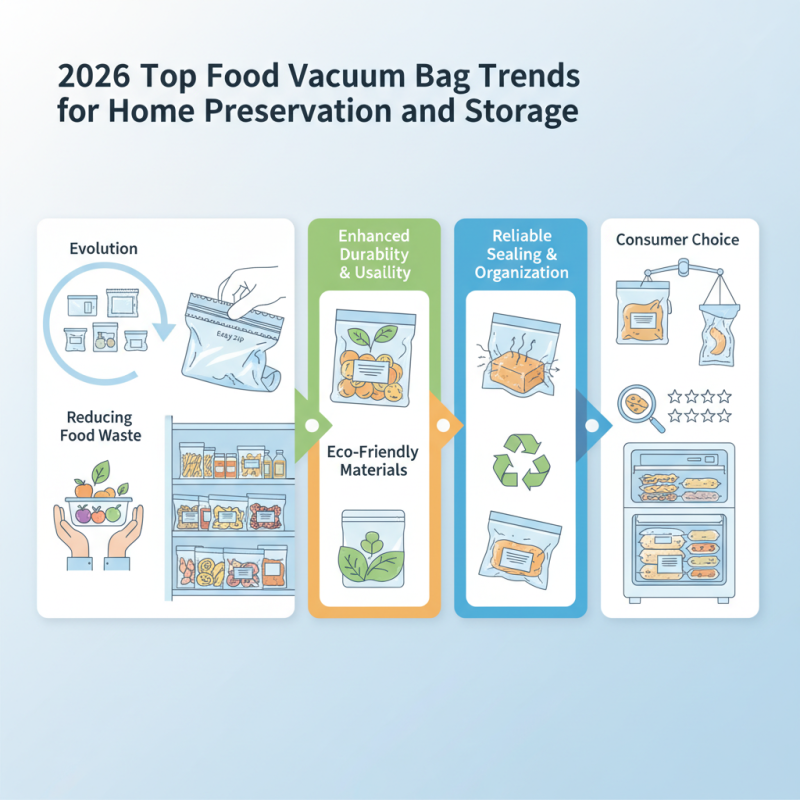
In recent years, Food Vacuum Bag technology has evolved significantly, shaping home preservation and storage trends. With growing interest in reducing food waste, these bags have become essential for many households. They offer a reliable method to maintain food freshness while maximizing storage space.
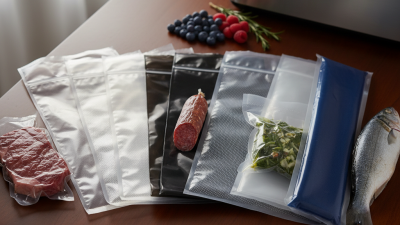
The latest innovations in Food Vacuum Bags focus on enhanced durability and usability. Many designs now feature easy-zip closures and transparent surfaces. This allows users to quickly identify contents, leading to better organization in kitchens and pantries. Additionally, brands are investing in eco-friendly materials to appeal to environmentally conscious consumers.
However, not all vacuum bags are created equal. Some may not provide the same level of sealing and durability. Consumers need to choose wisely to avoid frustration and food spoilage. Exploring various options and reading reviews can help. As the demand for effective food preservation continues, it's crucial to stay updated on the latest trends and choose Food Vacuum Bags that fit personal needs.
2026 Innovations in Food Vacuum Bag Materials for Home Use
Innovations in food vacuum bag materials for home use are witnessing significant advancements in 2026. Research shows that the global vacuum packaging market is projected to reach $32 billion by 2027. Consumers increasingly seek sustainable options. New materials, such as biodegradable plastics, are gaining attention. These materials reduce environmental impact while maintaining shelf life and food quality.
Natural fibers are also becoming popular. They are derived from renewable sources and offer an eco-friendly alternative to traditional plastics. Reports indicate that 35% of consumers prioritize sustainability when choosing vacuum bags. However, these materials can be more expensive and may not perform as well in certain conditions. Manufacturers need to balance cost and effectiveness.
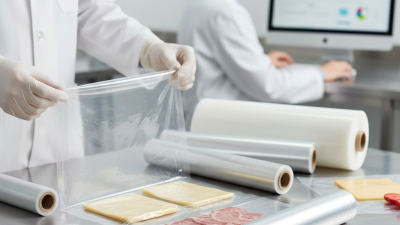
On the durability front, multi-layer films are being explored. These films enhance protection against moisture and oxygen, prolonging food freshness. Some studies suggest that vacuum bags can reduce food waste by up to 50%. Yet, not all innovations succeed. Some consumers find it challenging to adapt to new materials. This calls for ongoing education and clarity in the market. As trends evolve, the industry must remain adaptable and responsive to consumer needs.
Benefits of Using Vacuum Bags for Food Preservation and Storage
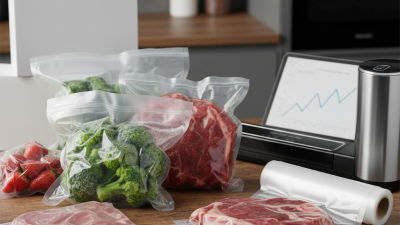
Vacuum bags have revolutionized food preservation. They can extend the shelf life of various foods by removing air. Lack of oxygen slows spoilage. According to industry reports, vacuum sealing can increase freshness by 3-5 times compared to conventional storage methods. This is particularly beneficial for meats, vegetables, and even dry goods, keeping flavors intact.
Another significant advantage is the reduction of food waste. The Food Waste Reduction Alliance estimates that up to 40% of food is wasted in the U.S. Vacuum packaging minimizes exposure to air, light, and moisture. This can help families save money while making their meals last longer. However, it’s important to remember that not all foods are suitable for vacuum sealing. Some items, like soft fruits, can be damaged, leading to unexpected waste.
In addition, vacuum bags allow for better organization in the kitchen. Storage solutions become more efficient with uniform, stackable bags. This encourages home cooks to access ingredients easily. Yet, improper sealing techniques can lead to air pockets and spoilage. It’s crucial to learn the correct methods for effective storage to truly benefit from this technology.
Top Features to Look for in Food Vacuum Bags in 2026
When choosing food vacuum bags in 2026, several features stand out.
Durability is paramount. Look for bags that can withstand high temperatures.
This is especially important if you plan to use them for sous vide cooking.
The material should also resist punctures and tears. Otherwise, you risk compromising freshness and safety.
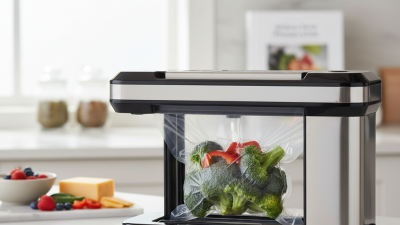
Compatibility with various vacuum sealers is essential.
Not all bags fit every machine. Ensure the bags you select work efficiently with your specific device.
Additionally, consider the bag sizes. Versatile sizing can accommodate different food portions.
Lastly, check for BPA-free options. This enhances food safety, giving you peace of mind.
Some users face challenges with leaks or poor sealing.
These flaws can lead to wasted food and time.
To mitigate this, read user reviews. They offer insights beyond product descriptions.
It's crucial to invest in quality bags.
Quality guarantees longer-lasting freshness and convenience.
Sustainable Practices in Food Vacuum Bag Production Trends
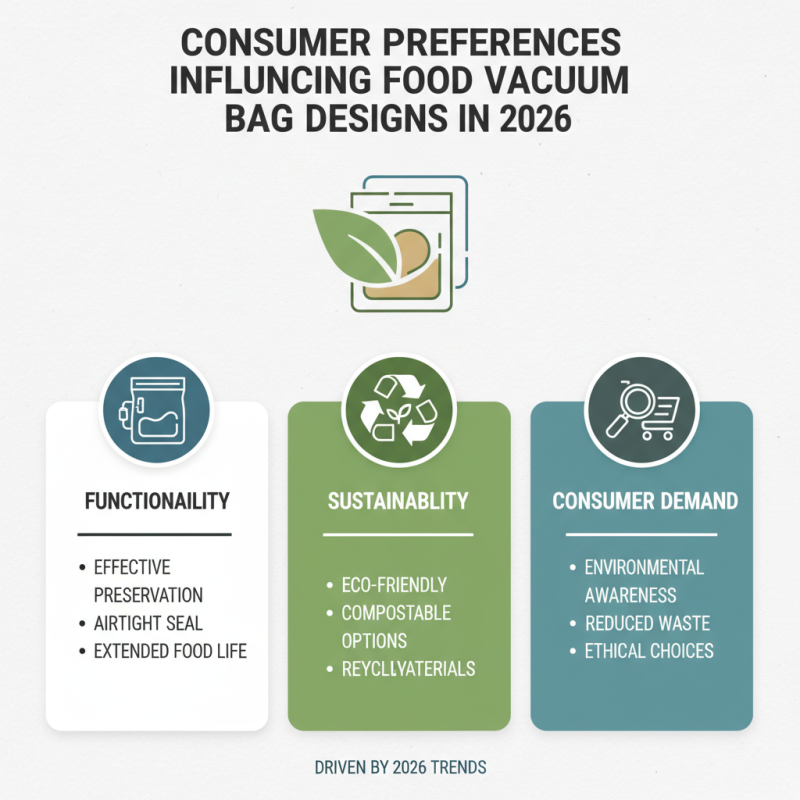
Sustainability is becoming essential in food vacuum bag production. As the demand for eco-friendly options grows, manufacturers are exploring biodegradable materials. These materials reduce plastic waste and minimize environmental impact. The shift toward plant-based plastics is noteworthy. These innovative solutions highlight a commitment to sustainable practices.
Recycling programs are emerging alongside these trends. Many companies are encouraging consumers to return used vacuum bags. This initiative promotes a circular economy and reduces landfill contributions. However, challenges remain. Not all consumers are aware of recycling methods. Education on how to recycle is crucial.
Quality and durability still matter. Sustainable materials must perform as well as traditional options. Some consumers may hesitate to switch if they fear a decline in product performance. Testing and transparency can help allay these concerns. Transparency in sourcing and production methods builds trust among buyers. Fostering this connection can lead to broader acceptance of sustainable practices.