2026 Best Vacuum Pack Roll for Global Buyers
Choosing the 2026 Best Vacuum Pack Roll for Global Buyers requires more than comparing prices. A reliable Vacuum Pack Roll must protect products during storage, transport, and daily handling. Buyers should examine oxygen barrier performance, puncture resistance, seal strength, roll dimensions, and machine compatibility. Small differences can affect product freshness and packaging waste.
Dr. Gordon L. Robertson, a respected food-packaging expert, stated, “Packaging must protect food while preserving its quality throughout distribution.” This principle remains practical for international buyers. A roll may look strong under showroom lighting, yet fail when cold, wet, or sharply handled. Real performance matters.
Test it first.
A good Vacuum Pack Roll should create a stable seal without excessive heat or delay. Its film layers should match the product’s moisture, oxygen, and temperature requirements. For meat, seafood, cheese, vegetables, and prepared meals, the correct barrier structure can reduce discoloration and odor transfer. However, no roll is perfect. A thicker film may improve puncture resistance but increase material use and shipping weight. A highly clear film may support product visibility but require careful storage against heat and sunlight.
Global buyers also need dependable documentation. Check production consistency, food-contact declarations, traceability records, and quality-control procedures. Regional requirements can differ, so buyers should verify current standards with qualified local professionals. Samples, seal tests, drop tests, and shelf-life trials are worth the extra time. Sometimes, the cheapest roll becomes the most expensive choice. A careful comparison helps importers select performance, reliability, and value rather than attractive specifications alone.
What Is a Vacuum Pack Roll and How Does It Work?
2026 Best Vacuum Pack Roll for Global Buyers
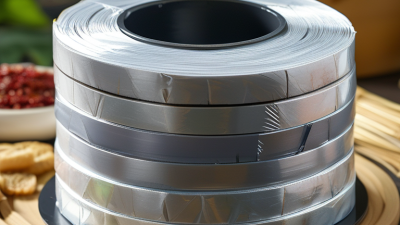
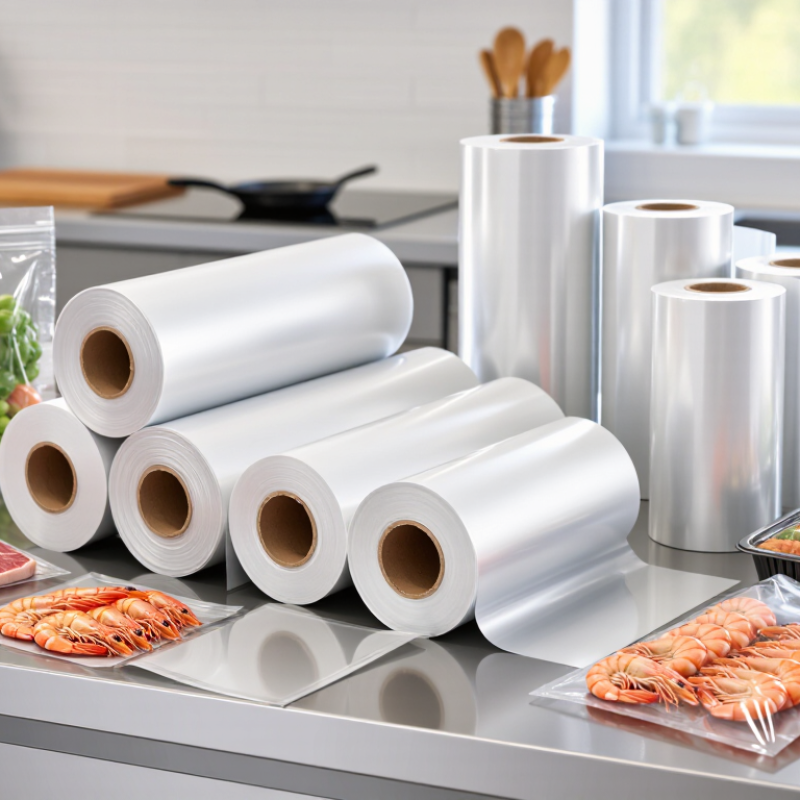
A vacuum pack roll is a continuous barrier film used to create custom-sized pouches. It usually combines polyamide for puncture resistance and polyethylene for heat sealing. One side may have embossed channels. These channels guide air toward the suction valve during evacuation. After air removal, a heated sealing bar closes the open edge. The package then protects food from oxygen, moisture, and freezer burn.
The process is simple, but film choice matters. External suction machines need channelled rolls. Chamber machines usually require smooth, flat film. A poor match can leave trapped air or weak seals. Grand View Research valued the global vacuum packaging market at over USD 30 billion in 2023, with continued growth expected through 2030. Smithers also identifies longer shelf life and food waste reduction as major packaging drivers. These figures show demand, not guaranteed savings. Actual results depend on seal quality, storage temperature, and product shape.
Tips:
Check the roll width against your machine’s sealing bar. Leave at least three centimeters for each end seal. Test one pouch with sharp bones, liquid, or rough edges. Watch for wrinkles near the seal. They are easy to miss. Use food-contact documentation and migration test records from the supplier. European and North American buyers often request these files. I would also test several thicknesses before ordering in bulk; thicker film feels safer, but it may waste material and reduce machine efficiency.
Key Materials and Features of High-Quality Vacuum Pack Rolls
2026 Best Vacuum Pack Roll for Global Buyers
High-quality vacuum pack rolls begin with the material structure.
A common food-grade design uses polyethylene for heat sealing and polyamide for puncture resistance. Polyethylene seals reliably across a practical temperature range. Polyamide helps protect against sharp bones and frozen edges. For oxygen-sensitive food, an EVOH layer can improve barrier performance, although humidity may reduce its effectiveness. It is not a magic layer.
The Food and Agriculture Organization estimates that 14% of food is lost between harvest and retail. The United Nations Environment Programme reported 1.05 billion tonnes of food waste in 2022. Better packaging cannot solve every cause, but stable seals and lower oxygen transmission can reduce avoidable spoilage. Buyers should request oxygen transmission rate, water vapor transmission rate, seal strength, and puncture data. Numbers matter more than glossy samples. A clear roll should also maintain visibility after sealing.
Roll width, thickness, and forming performance need factory testing.
A thicker film may resist damage, but it can increase material use and shipping weight. In trial runs, weak edge seals often caused more failures than film punctures. That detail is easy to overlook. Global buyers should check food-contact declarations, migration testing, batch traceability, and storage conditions. Rolls stored in heat or moisture may seal poorly later. The ideal specification is still a compromise between barrier protection, machine compatibility, recyclability, and cost.
How to Choose the Right Vacuum Pack Roll for Global Markets
Choosing the right vacuum pack roll starts with the product, not the lowest quoted price. Global buyers should check oxygen sensitivity, moisture exposure, sharp edges, and required shelf life. A dry snack may need a different barrier than fresh meat. Fit matters more.
Industry data supports careful material selection. Grand View Research valued the global vacuum packaging market at approximately USD 32.5 billion in 2023, with continued growth expected through 2030. The OECD’s Global Plastics Outlook reported about 353 million tonnes of plastic waste in 2019, while only 9% was recycled. These figures make downgauging attractive, but thinner film can reduce puncture resistance and sealing reliability. Cost savings may disappear through leakage, spoilage, or rejected shipments.
For international purchasing, compare roll width, core size, film thickness, seal temperature, and machine compatibility. Ask for migration documentation and food-contact compliance for each destination market. ASTM F88 can help evaluate seal strength, while ASTM D3078 supports leak testing for flexible packages. In practical trials, fill rolls with the real product, including bones, corners, or oily surfaces. Then test after cold storage and transport simulation. Do not rely only on a supplier’s laboratory sample. A roll that seals perfectly at 20°C may fail in a humid warehouse. Test before scaling. Regional recycling rules also deserve attention, and honestly, they are not always aligned.
Vacuum Pack Roll Sizes, Compatibility, and Packaging Applications
2026 Best Vacuum Pack Roll for Global Buyers
Choosing the right vacuum pack roll starts with size, not appearance. Common widths range from 15 to 40 centimeters, while roll lengths vary by supplier. Match the roll width to your sealing bar, leaving enough space for a clean seal. A bag that is too narrow wastes product space. One that is too wide may fold during sealing. Thickness also matters. Thin film suits dry foods and short storage. Thicker multilayer film offers better puncture resistance for meat, seafood, or products with sharp edges. No roll fits every machine.
Compatibility deserves careful checking. Chamber machines usually accept smooth vacuum film, while external suction machines often require embossed channels. Confirm the maximum sealing temperature and vacuum pressure before ordering. Film structure affects oxygen protection, moisture resistance, and heat sealing performance. Packaging applications can include food portions, coffee, household items, and moisture-sensitive components. For international purchasing, request technical data, roll core dimensions, production tolerances, and food-contact documentation where required. I have seen buyers focus on price and overlook core size. That mistake can stop a production line.
Tips: Test one sample roll first. Measure the seal width after cooling. Check for wrinkles, leaks, and uneven edges. Keep rolls dry and away from direct sunlight. If the first trial fails, review the machine settings before rejecting the material. Sometimes both sides need improvement.
Storage, Safety Standards, and Purchasing Considerations for 2026
2026 Best Vacuum Pack Roll for Global Buyers
Choosing vacuum pack roll in 2026 requires more than comparing thickness and price. The UNEP Food Waste Index Report 2024 estimates that 1.05 billion tonnes of food were wasted in 2022. Reliable storage materials can reduce exposure to oxygen, moisture, and handling damage, but vacuum packaging cannot make food sterile. That distinction matters.
For food contact use, buyers should request migration declarations, lot traceability, and compliance records for the destination market. ISO 11607 principles are useful for evaluating seal integrity and packaging performance. Film should resist punctures from bones, frozen edges, and rough transport. Check seal width, roll consistency, odor, and clarity. Test samples under cold storage and heat exposure.
Small details matter.
A practical purchasing trial should measure leak rates after sealing, compression, and repeated handling. The FDA Food Code 2022 also supports strict time and temperature control for potentially hazardous foods. Therefore, a strong roll is only one part of safe storage. Buyers should confirm whether the material is suitable for freezing, refrigeration, boiling, or sous-vide use. These applications are not interchangeable.
Some suppliers publish impressive barrier figures without explaining test conditions. That is a weakness. Ask for laboratory methods, sample dates, and independent verification. Lower-cost rolls may appear efficient, yet inconsistent seals can create waste and customer complaints. My own caution is simple: never approve a large order from appearance alone. Cost per usable sealed package is the more honest measure.
2026 Best Vacuum Pack Roll for Global Buyers
Storage, safety standards, and purchasing benchmarks for common food vacuum-pack film structures
Lower oxygen transmission rate (OTR) and water vapor transmission rate (WVTR) generally indicate stronger barrier performance. The figures shown are representative technical ranges for commonly used food-packaging structures, not legal limits. Buyers should verify food-contact compliance, sealing performance, storage conditions, and end-use requirements before purchasing.
Material selection: PA/PE for general use
High barrier: EVOH multilayer or metallized structures
Safety checks: migration documentation, lot traceability, seal integrity, and applicable market regulations